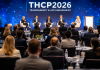
In 2026, reaching healthcare professionals by email feels a bit like trying to speak in a crowded auditorium. Everyone is talking, filters are listening, and time is painfully limited. So how do pharma brands make sure their message is not only delivered, but actually read? The answer lies in rethinking how HCP email strategy will work in 2026, with a sharper focus on relevance, structure, and clinical value.
Table of Contents
Why HCP email strategy must change in 2026
How AI and inbox filters decide what gets seen
Designing email sequences that respect time and attention
Reducing digital noise and message fatigue
Why HCP Email Strategy Must Change in 2026
Email remains one of the most reliable digital channels in pharma marketing. However, the way healthcare professionals interact with email has changed dramatically. In 2026, many clinicians rely on AI-driven inbox tools that prioritize urgency, credibility, and usefulness. As a result, generic brand messages are often filtered out before a human ever sees them.
Because of this shift, email strategy for HCPs in 2026 must move from attention grabbing to clear value signaling. Instead of asking for time, messages need to prove relevance almost instantly. A subject line, preview text, and opening sentence now do most of the heavy lifting.
Another growing challenge is cognitive overload. HCPs are balancing patient care, administrative work, and ongoing education. Because time is scarce, emails that demand too much effort are skipped. In contrast, concise messages that clearly explain why they matter tend to perform far better.
How AI and Inbox Filters Decide What Gets Seen
AI-based email triage tools now evaluate sender reputation, engagement history, and content structure before a message ever reaches the primary inbox. For example, subject lines that suggest education or clinical relevance often rank higher than those that sound promotional.
Emails that reference peer-reviewed data, real-world evidence, or practical insights early also tend to pass algorithmic scrutiny more easily. On the other hand, heavy branding and sales-forward language can quietly trigger suppression.
This reality forces pharma marketers to think more like editors than advertisers. Short paragraphs, clear logic, and human-sounding language signal authenticity to both algorithms and readers. When paired with smart segmentation, these elements can significantly improve visibility and trust.
Designing Email Sequences That Deliver Value Faster
A successful HCP email strategy in 2026 is rarely built around a single send. Instead, it relies on intentional sequences that guide the reader through a learning journey. One message may highlight an unmet clinical need, while the next introduces emerging data or evolving treatment perspectives.
Still, each email must stand on its own. HCPs may only open one message in a sequence, so every send should deliver immediate value. A brief clinical insight, a key takeaway, or a practical implication can leave a strong impression without demanding much time.
Timing also plays a critical role. AI systems increasingly factor engagement patterns into inbox placement decisions. Because of this, many brands now rely on behavior-based scheduling rather than fixed calendars. Digital marketing partners such as eHealthcare Solutions help pharma teams optimize targeting, timing, and compliance while navigating increasingly complex HCP engagement rules.
Reducing Digital Noise and Message Fatigue
One of the biggest risks facing pharma marketers in 2026 is over-communication. Even high-quality content can become noise if it arrives too often. As a result, frequency management has become a core part of modern email planning.
Brands that send fewer, more thoughtful emails tend to build stronger long-term engagement. Another effective approach is modular content design. Instead of packing everything into one message, emails can offer optional deeper dives through links, allowing HCPs to choose how much time they invest.
Clarity also builds trust over time. When healthcare professionals know exactly what an email will deliver, they are more likely to open future messages. Consistency trains both the reader and the inbox algorithm to expect relevance rather than interruption.
Conclusion
Winning attention in 2026 is not about louder messaging. It is about smarter design, faster value delivery, and genuine respect for limited time. By adapting to AI-driven filters, reducing fatigue, and prioritizing clinical relevance, pharma brands can turn email into a trusted channel. A well-executed HCP email strategy for 2026 does not chase clicks, it earns attention.
Frequently Asked Questions
Why is HCP email strategy different in 2026?
AI-based inbox filtering, stricter institutional controls, and growing time pressure have changed how emails are prioritized and consumed.
How can pharma emails avoid being filtered out?
Emails that emphasize educational value, credible data, and clear structure are more likely to pass AI and institutional filters.
Do long emails still work for healthcare professionals?
Long-form content can be effective when offered as an option. Most HCPs prefer quick insights with links to deeper resources.
Which metrics matter most for HCP email campaigns today?
Beyond open rates, engagement depth, repeat opens, and downstream actions provide a clearer picture of performance.
How often should pharma brands email HCPs?
Lower frequency paired with higher relevance generally outperforms high-volume campaigns and reduces fatigue.
This content is not medical advice. For any health issues, always consult a healthcare professional. In an emergency, call 911 or your local emergency services.