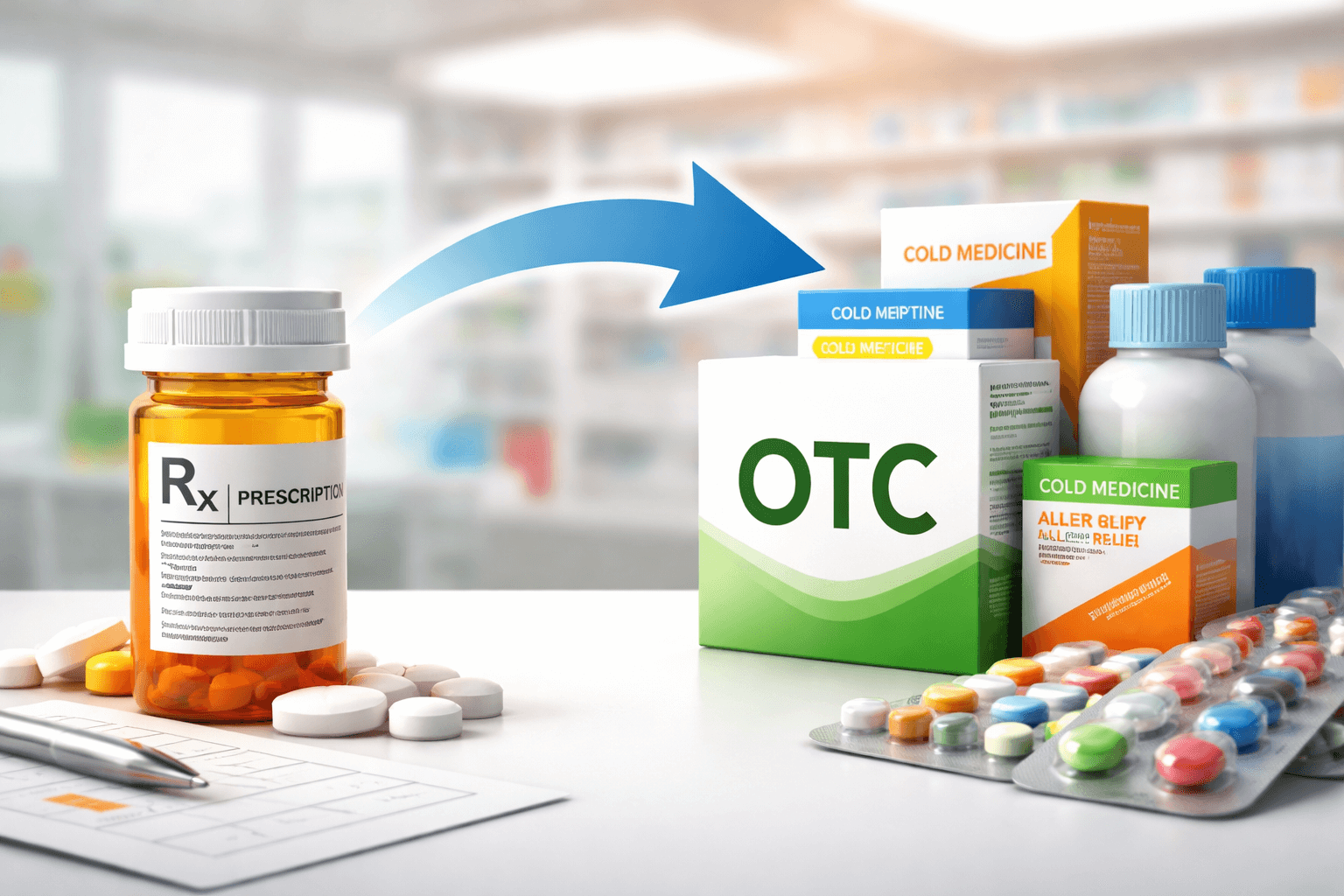
The journey from prescription medicine to store shelf may look simple on the surface, yet executing an effective Rx to OTC pharma marketing strategy requires careful planning. A well-designed Rx-to-OTC transition strategy helps brands expand access while protecting clinical credibility. Patients who once relied on physician guidance suddenly become direct consumers making their own choices. Because of this shift, pharmaceutical marketers must rethink messaging, education, and compliance boundaries.
However, successful transitions rarely happen overnight. Instead, leading organizations treat the Rx-to-OTC transition as a multi-year lifecycle strategy rather than a short-term commercial shift. Early alignment between medical affairs, regulatory teams, and marketing ensures the brand story remains consistent as distribution expands. When executed well, the transition strengthens consumer trust rather than weakening it. As a result, brands maintain their scientific credibility while gaining broader market reach.
Table of Contents
- Lifecycle planning for Rx-to-OTC transitions
- Protecting credibility while expanding consumer reach
- Compliance and education in OTC marketing
- Building a long-term brand trust strategy
Lifecycle Planning for a Successful Rx-to-OTC Transition Strategy
The most effective prescription-to-OTC transition strategy begins long before the regulatory switch occurs. Pharmaceutical companies must evaluate the therapy’s lifecycle and anticipate how consumer behavior will evolve once physician gatekeeping changes.
First, marketers should assess the brand’s clinical reputation within the prescription market. Physicians often serve as trust anchors, and their endorsements influence consumer perception even after a product moves over the counter. Therefore, preserving this credibility is essential during the transition phase.
In addition, lifecycle planning helps align regulatory expectations with commercial strategy. According to guidance from the U.S. Food and Drug Administration, OTC medicines must provide clear labeling and consumer-friendly instructions to ensure safe use without direct medical supervision (FDA OTC medicine guidance). Because of this requirement, marketing teams must collaborate with regulatory experts early in the process.
Moreover, marketers should develop educational frameworks that translate clinical evidence into simple, consumer-focused language. Patients who previously relied on prescriptions must now understand benefits, risks, and appropriate use independently. Consequently, brands that invest in education build stronger long-term loyalty.
Finally, lifecycle discipline protects equity. When companies view the Rx-to-OTC transition as a long-term roadmap rather than a last-minute pivot, they maintain consistency across both prescription and consumer channels.
Protecting Prescription Credibility While Expanding Consumer Reach
A major challenge in any prescription-to-OTC marketing strategy involves balancing medical authority with consumer accessibility. Prescription products often carry a reputation rooted in physician trust and scientific validation. Yet OTC marketing demands simplicity and broader appeal.
To bridge this gap, marketers should emphasize continuity in brand identity. Instead of repositioning the product entirely, communications should reinforce the same clinical heritage that physicians previously trusted. For example, educational campaigns can highlight years of prescription use and proven safety profiles.
Furthermore, patient testimonials and pharmacist engagement play important roles. Pharmacists frequently become the new gatekeepers once products move over the counter. Therefore, empowering pharmacy professionals with educational resources helps maintain confidence among consumers.
Digital channels also support credibility during the transition. Many brands develop omnichannel content strategies that guide patients from awareness to purchase while reinforcing safety messaging. Companies exploring healthcare digital marketing approaches can review strategies from eHealthcare Solutions, which focuses on healthcare advertising and patient engagement.
Ultimately, credibility is not lost when products move to OTC shelves. Instead, thoughtful messaging and consistent positioning can strengthen the brand story.
Compliance, Consumer Education, and OTC Communication
Regulatory compliance remains a central pillar of any successful OTC switch marketing strategy. Although the distribution model changes, pharmaceutical marketing still operates within strict legal and ethical boundaries.
For instance, labeling becomes the primary educational tool for OTC products. Clear instructions must explain dosing, warnings, and contraindications in language that average consumers can easily understand. Because of this requirement, marketers must prioritize clarity over promotional language.
At the same time, responsible communication extends beyond packaging. Brands increasingly invest in digital health education platforms that help consumers understand symptoms, treatment options, and safe usage practices. This approach positions the brand as a trusted health partner rather than simply a product on a shelf.
Additionally, companies should encourage consumers to seek professional medical advice when necessary. Patients experiencing persistent symptoms should always consult healthcare professionals through trusted platforms such as Healthcare.pro. By guiding patients toward appropriate care, brands demonstrate commitment to safety and responsible use.
Therefore, education and compliance must work together. When both elements align, consumers gain confidence in the product and the brand behind it.
Building Long-Term Trust in the OTC Marketplace
Trust remains the most valuable asset in pharmaceutical marketing. While distribution channels may change, patient confidence must remain constant throughout the product lifecycle.
A strong Rx to OTC pharma marketing strategy ensures the product’s clinical heritage remains intact while empowering consumers with clear, accessible information. Consumers expect transparency about benefits, limitations, and appropriate use. When brands communicate honestly, they strengthen their reputation over time.
In addition, marketers should monitor consumer feedback across digital channels. Reviews, social media discussions, and search behavior provide valuable insights into how people perceive the product after the transition. These signals allow brands to refine messaging and address misconceptions quickly.
Partnerships also play an important role. Collaborating with pharmacists, patient advocacy groups, and healthcare educators helps reinforce credibility in the OTC environment. These voices act as trusted intermediaries between pharmaceutical brands and consumers.
Ultimately, the shift from prescription to over-the-counter access represents more than a regulatory milestone. It reflects a transformation in how patients interact with healthcare products. Brands that prioritize education, transparency, and lifecycle planning create lasting relationships with consumers.
Conclusion
The move from prescription to over-the-counter distribution presents both opportunity and risk. However, organizations that approach the transition strategically can expand access without compromising credibility. A thoughtful Rx to OTC pharma marketing strategy helps preserve clinical trust while empowering consumers with clear guidance. Through lifecycle planning, responsible communication, and strong education, pharmaceutical brands can successfully bridge the gap between physician-guided treatment and consumer self-care.
FAQ
What is an Rx to OTC pharma marketing strategy?
An Rx to OTC pharma marketing strategy is a structured plan that guides how a prescription medication transitions to over-the-counter availability while maintaining brand credibility, compliance, and consumer education.
Why do pharmaceutical companies switch drugs from prescription to OTC?
Companies pursue OTC switches to expand patient access, extend the product lifecycle, and reach broader consumer markets once safety and regulatory requirements are met.
How can marketers maintain trust during an OTC switch?
Marketers can maintain trust by emphasizing clinical history, educating consumers clearly, supporting pharmacists, and ensuring messaging remains transparent and compliant.
What role does consumer education play in OTC marketing?
Education helps consumers understand how to use medications safely without direct physician supervision. Clear instructions and accessible information improve both safety and brand confidence.
How long does an Rx-to-OTC transition usually take?
Most transitions take several years because companies must complete regulatory evaluations, develop consumer-friendly labeling, and build education and marketing programs before launch.
This content is not medical advice. For any health issues, always consult a healthcare professional. In an emergency, call 911 or your local emergency services.