Marketing for rare disease awareness comes with a basic challenge: how do you make a complex health issue feel relevant to people who may rarely hear about it? Genetix Biotherapeutics is taking an unusual route. The biotechnology company has partnered with the National Football League Alumni Association on a national sickle cell disease education initiative. Rather than relying on a conventional celebrity endorsement, the collaboration connects disease education with an organization that already has cultural recognition, community ties, and experience discussing health.
Table of Contents
- Why Genetix partnered with NFL Alumni
- Cultural relevance in sickle cell education
- Why trusted community partnerships matter
- Lessons for pharmaceutical marketers
- Conclusion
- FAQ
Genetix Takes Rare Disease Awareness Beyond Traditional Pharma Marketing
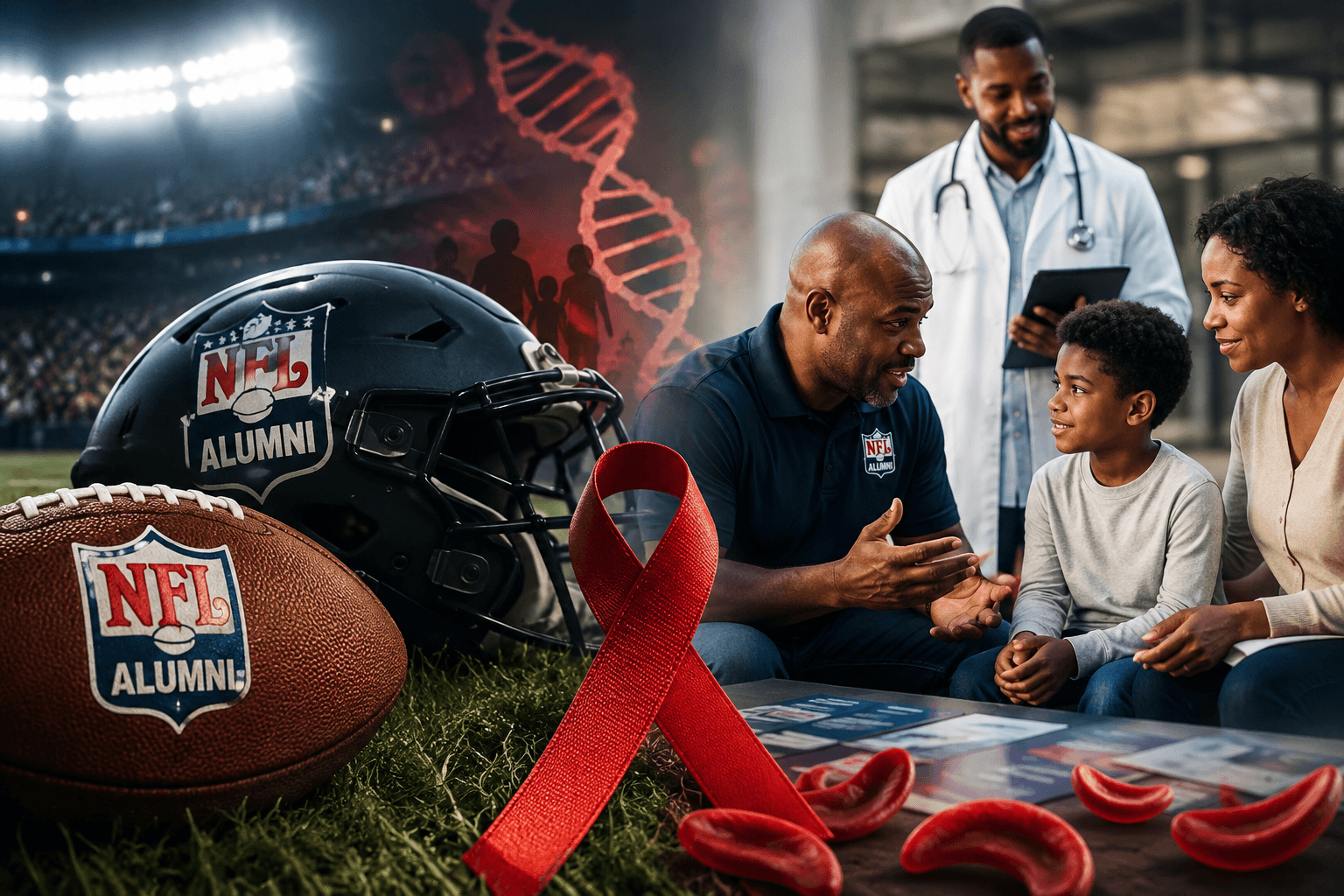
In August 2026, Genetix Biotherapeutics and the NFL Alumni Association announced a national initiative focused on sickle cell disease awareness and education. The partnership aims to help patients, families, and healthcare professionals better understand the disease, available treatments, and support services.
That objective matters because sickle cell disease requires more than simple awareness. Patients can experience severe pain and serious complications, while treatment decisions may involve complicated conversations about long-term care and newer genetic medicines. Therefore, reaching an audience is only the first step. The message also needs enough credibility to encourage people to seek reliable information.
The NFL Alumni Association brings an established community platform to that task. Founded in 1967, the nonprofit serves former players and their families while supporting charitable and community initiatives. It also has a history of health programs and education for former players.
For Genetix, that creates a different communications environment from a traditional pharmaceutical campaign. Instead of building every connection from the ground up, the company can work through an organization that already participates in community conversations.
That distinction matters when building awareness around a rare disease. A recognizable partner can attract attention, but recognition alone does not create trust. The stronger opportunity comes when the partner has a believable reason to participate in the conversation.
Cultural Relevance Can Make Sickle Cell Education More Visible
Sickle cell disease disproportionately affects Black communities in the United States. As a result, effective education requires sensitivity to the experiences of patients and families as well as the healthcare disparities surrounding the disease.
This is where the NFL Alumni relationship becomes particularly interesting from a pharmaceutical marketing perspective.
The campaign is not simply placing a famous face beside a disease message. According to the partnership announcement, the initiative plans to use personal stories and local community engagement involving current and former players. The NFL Alumni Association has also emphasized that some former players and their families understand the impact of sickle cell disease firsthand.
Consequently, the partnership may give health education a more culturally familiar entry point. Patients who would never visit a biotechnology company’s website may still encounter information through a community event, player story, or organization they recognize.
That reach can be especially valuable when marketers are explaining sophisticated treatment advances. Genetix markets Lyfgenia, a one-time gene therapy for sickle cell disease. However, awareness of genetic medicines and their availability remains a challenge for some families, according to the partnership announcement.
For marketers, the lesson is not that sports automatically make healthcare messages more engaging. Instead, familiar cultural platforms can help create a bridge between complicated science and everyday conversation.
Trusted Community Partnerships Are More Than Endorsements
Traditional celebrity marketing usually borrows attention from a recognizable individual. For rare disease campaigns, community partnerships should aim for something deeper.
The distinction starts with purpose. If an athlete simply appears in an advertisement, audiences may see the relationship as a paid endorsement. However, when an organization provides education, community connections, personal stories, and opportunities for continued engagement, it can become part of the communication infrastructure.
The NFL Alumni Association already operates programs related to member health and wellness. For example, it works with the NFL Player Care Foundation and Tulane University School of Medicine on health screenings for former players. That history gives the Genetix partnership a context beyond sports fame.
Moreover, rare disease communities often need repeated engagement rather than one-time impressions. A person hearing about a new treatment option may have questions about eligibility, risks, access, insurance, or where to find specialist care. Therefore, awareness campaigns should provide clear pathways toward credible resources and healthcare professionals.
Patients seeking individualized medical guidance should always discuss treatment decisions with a qualified healthcare professional. Resources such as Healthcare.pro can also help people explore options for professional healthcare support.
Ultimately, trust cannot simply be transferred from a famous organization to a pharmaceutical brand. It has to be supported through accurate information, transparency, patient-centered storytelling, and useful next steps.
What Pharma Marketers Can Learn From Genetix and NFL Alumni
The Genetix strategy offers several lessons for marketers working in rare and complex diseases.
First, partnership selection should begin with audience relevance rather than raw audience size. A smaller but highly trusted community network may deliver more meaningful engagement than a broad media campaign with millions of impressions.
Second, marketers should consider cultural context early in campaign planning. Rare disease outreach works best when patients can recognize their communities and experiences in the conversation. However, representation should be authentic rather than decorative.
Third, educational campaigns need a destination. Awareness without a useful next step can leave patients interested but uncertain. Therefore, marketers should connect stories and outreach to disease education, treatment information, support programs, and conversations with healthcare professionals.
Finally, measurement should move beyond views and clicks. Pharma teams can consider resource engagement, educational content completion, event participation, healthcare professional interaction, and other indicators of meaningful action.
For agencies and pharmaceutical teams developing these programs, eHealthcare Solutions provides digital advertising opportunities designed around healthcare audiences. The broader opportunity is to connect credible community engagement with precise digital distribution rather than treating the two as separate strategies.
Genetix’s NFL Alumni partnership reflects that shift. It suggests that the future of rare disease communications may depend less on making brands louder and more on making information relevant, credible, and easier to encounter.
Conclusion
Genetix Biotherapeutics is using the NFL Alumni Association for something more ambitious than borrowed sports recognition. The partnership creates a culturally recognizable channel for sickle cell disease education while connecting patients, families, and healthcare professionals with information about treatment and support.
For pharmaceutical marketers, the larger lesson is clear. Rare disease campaigns can reach more people through familiar organizations, but that reach matters most when it is built on relevance and trust.
As rare disease treatments become more sophisticated, explaining them will remain challenging. Community partnerships can help translate that complexity into conversations people are more willing to enter. The strongest campaigns will still need accuracy, transparency, and meaningful resources behind the message.
FAQ
What is rare disease awareness marketing?
Rare disease awareness marketing uses education, storytelling, community outreach, and targeted communications to increase understanding of uncommon conditions. It can help patients, caregivers, and healthcare professionals recognize diseases and learn about available resources.
Why did Genetix partner with the NFL Alumni Association?
The partnership is designed to increase sickle cell disease awareness and improve education about treatment options and support services. NFL Alumni also provides community reach and connections through former players and local engagement.
Why are cultural partnerships useful in pharmaceutical marketing?
Relevant organizations can make health information more familiar and accessible to specific communities. However, successful partnerships need authentic connections to the audience and should provide useful education rather than relying only on visibility.
Is the Genetix campaign a celebrity endorsement?
The announced initiative goes beyond a standard endorsement model. It incorporates community engagement, education, and personal stories associated with current and former football players.
What should pharma marketers measure in rare disease campaigns?
Alongside reach and impressions, marketers can evaluate engagement with educational resources, participation in community programs, interactions with healthcare content, and actions that indicate patients or caregivers are seeking additional information.
This content is not medical advice. For any health issues, always consult a healthcare professional. In an emergency, call 911 or your local emergency services.