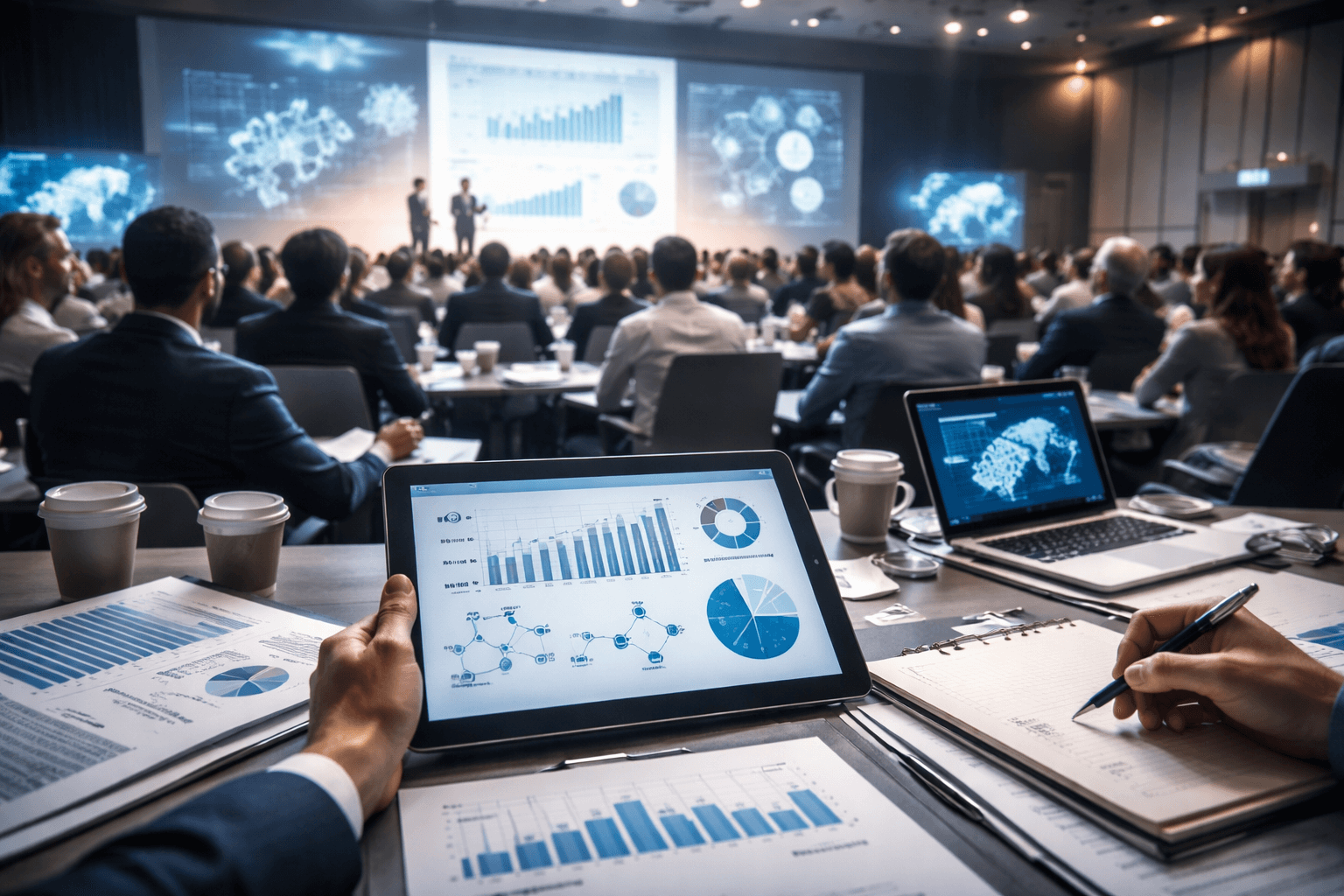
Conferences offer a rare chance for pharma marketers to gather cutting-edge insights from regulatory bodies, AI innovators, and ad-promo leaders. Yet too often, the value generated fades the moment the last panel ends. With the right pharma conference strategy, you can turn this fleeting insight into a sustainable stream of content, internal enablement, and strategic fuel that drives your campaigns throughout 2026. This article outlines a practical approach to making the most of every event—before, during, and after.
Table of Contents
- Why a Pharma Conference Strategy Matters
- Pre-Conference Planning: Set Goals, Not Just Agendas
- Live Event Execution: Maximize Real-Time Capture
- Post-Conference Activation: From Insight to Action
- Case Study: Turning a Conference into a Campaign Engine
- Conclusion
- FAQs
Why a Pharma Conference Strategy Matters
Developing a repeatable pharma conference strategy helps turn live events into meaningful business outcomes. Instead of being isolated learning opportunities, conferences become integrated knowledge streams that enhance campaign relevance and internal collaboration. This is especially important as 2026 events focus on AI, regulation, and promotional strategy shifts that will reshape the industry landscape.
For instance, regulatory conferences often drop early hints about guidance changes. Rather than filing these insights away, a strategy allows teams to immediately translate them into market-ready content and field support tools.
Pre-Conference Planning: Set Goals, Not Just Agendas
Before attending, define your event objectives and align the team on outcomes. Ask: What do we want to learn? Who are the competitors to watch? Which sessions connect to our current business priorities?
Map sessions to key business questions and assign real-time roles to team members. Whether it’s content capture, competitive intelligence, or speaker engagement, clarity here ensures your time at the event delivers actionable results—not just inspiration.
Live Event Execution: Maximize Real-Time Capture
The best pharma conference strategy includes real-time execution. Don’t wait until the event is over to think about content. Share quick daily highlights with internal teams, interview thought leaders (when allowed), and capture visual assets that can be repurposed post-event.
Real-time synthesis keeps teams informed and engaged, while also helping you identify major themes or unexpected insights that should shape your next moves.
Post-Conference Activation: From Insight to Action
Now it’s time to put those insights to work. Start with a summary report that reframes event takeaways into clear strategic guidance. Then build external content—blogs, whitepapers, webinars—that extends the conference conversation into your content calendar.
Internally, repurpose insights into training materials, sales enablement tools, and updated messaging frameworks. With a disciplined post-event workflow, conferences become campaign fuel, not just calendar fillers.
Case Study: Turning a Conference into a Campaign Engine
At a recent promotional compliance conference, a pharma brand followed this model:
- Planned for early FDA insights and speaker quotes.
- Captured expert commentary on-site.
- Published a three-part blog series and hosted a client webinar within two weeks.
The campaign saw a 40% boost in engagement, and the insights shaped a compliant messaging update across product teams. That’s the power of a smart pharma conference strategy.
Conclusion
With thoughtful planning and execution, pharma conferences can become key inputs to your strategic pipeline. The right pharma conference strategy ensures no insight is lost and every opportunity becomes a step toward smarter campaigns, deeper engagement, and measurable growth. Let 2026 be the year you turn recaps into results.
FAQs
What is a pharma conference strategy?
A pharma conference strategy is a structured plan to gather, organize, and activate insights from industry events for use in content, marketing, and internal strategy.
How far in advance should planning begin?
Ideally, begin planning 6–8 weeks in advance to align on objectives, target sessions, and define roles for content capture and activation.
What types of content work best after a conference?
Top formats include blog posts, video recaps, whitepapers, webinars, and social media series that repurpose event themes into audience-focused content.
Can small teams implement this strategy?
Absolutely. Even with limited resources, a clear plan and disciplined follow-up can make conference insights valuable across departments.
How do I ensure internal teams use post-conference content?
Create toolkits, training sessions, or internal briefings that connect the insights to specific team goals or challenges. Relevance drives adoption.
This content is not medical advice. For any health issues, always consult a healthcare professional. In an emergency, call 911 or your local emergency services.