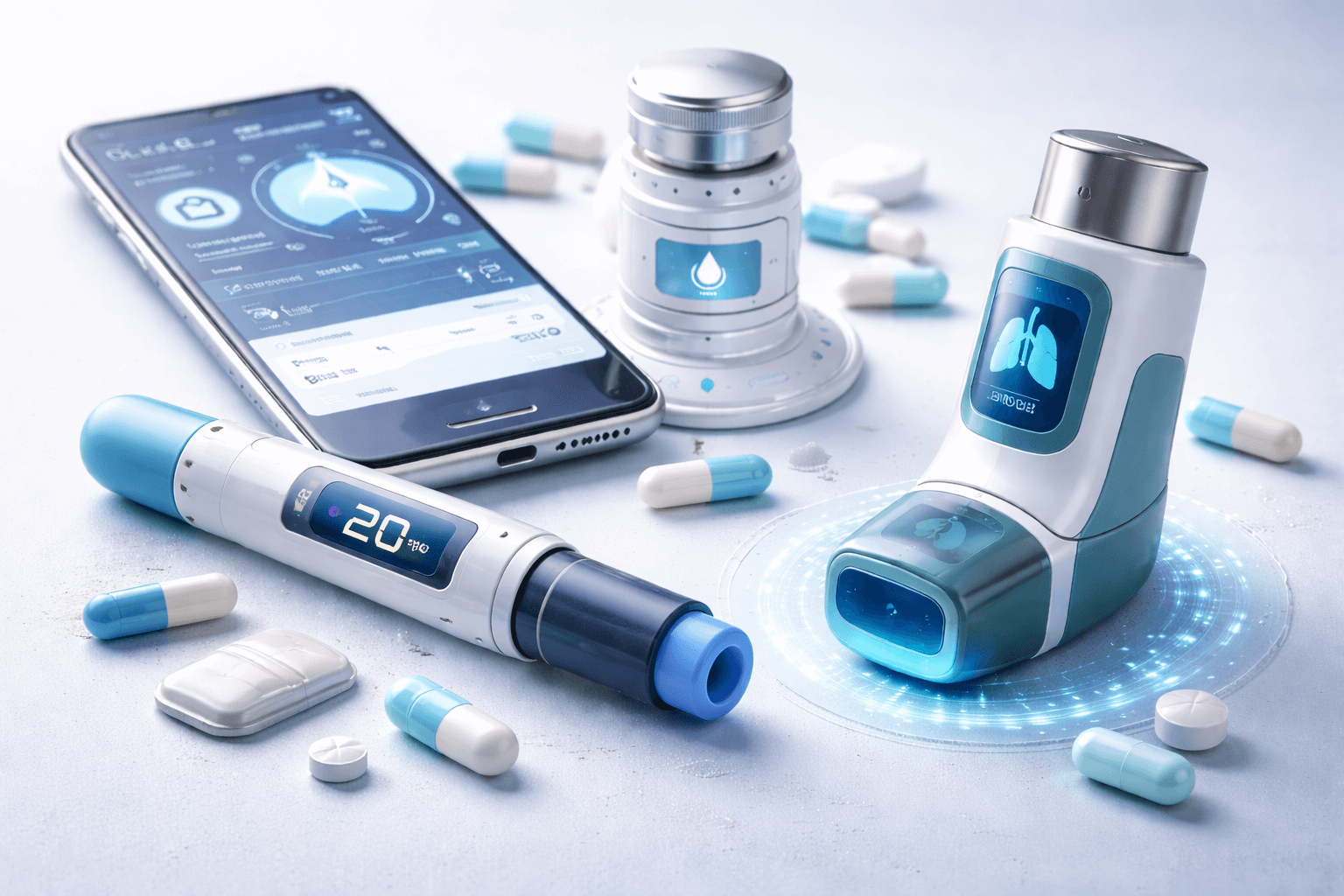
Imagine launching a treatment that’s not just a medication—but also a digital tool, a wearable device, or an automated injector. That’s the reality with today’s hybrid therapeutics. These combination products are changing how we think about treatment delivery, but they’re also rewriting the marketing rulebook. To succeed, pharma marketers must blend clinical storytelling with tech-savvy messaging that doesn’t overwhelm healthcare providers (HCPs) or confuse patients. This article offers a practical approach to marketing these evolving therapies without oversimplifying their value.
Table of Contents
- Understanding Drug-Device Combinations
- Challenges in Marketing Hybrid Therapeutics
- Strategic Messaging for Combination Products
- Creating a Seamless Product Experience
- Conclusion
- FAQs
Understanding Drug-Device Combinations
What happens when your therapeutic isn’t just a pill or injection—but also a high-tech device? Marketing combination products has become an increasingly critical area in the pharmaceutical industry. These hybrid therapeutics combine pharmacological effects with a delivery mechanism, like an auto-injector, inhaler, or wearable device. As innovation continues, so does the need to evolve traditional pharma marketing strategies.
In many ways, these products live at the intersection of medicine and technology. That means marketing teams must go beyond clinical outcomes. They must also communicate usability, safety, and even emotional benefits tied to user experience.
Challenges in Marketing Hybrid Therapeutics
Promoting a hybrid therapeutic brings unique hurdles. First, there’s the regulatory complexity. Unlike standalone drugs or devices, these combinations often undergo scrutiny from both CDER and CDRH within the FDA. For marketers, that means crafting messages that align with multifaceted approval pathways.
Second, there’s the issue of audience confusion. Healthcare professionals (HCPs) are used to clear product categories: drug or device. Introducing a hybrid may create hesitation unless its value proposition is clearly articulated. Patients, too, can be overwhelmed if messaging isn’t simplified—but not so much that it downplays clinical importance.
Additionally, reimbursement systems aren’t always aligned to support the value of integrated therapies. Payers might require separate codes for the drug and the device, adding another layer of complexity.
Strategic Messaging for Combination Products
Successfully promoting combination drug-device therapies requires messaging that’s both clinically grounded and emotionally resonant. Start by identifying which part of the therapy delivers the most differentiated value. Is it the novel mechanism of action, the ease of self-administration, or improved adherence due to design?
Messaging should highlight not just outcomes, but also the experience. For example, campaigns for smart inhalers can emphasize real-time tracking, empowering patients to stay on course. For HCPs, showing how the device component improves patient compliance can drive confidence in prescribing.
Use multiple content formats to deliver layered messaging. Consider KOL interviews, explainer videos, and case studies that demonstrate real-world value. Digital platforms like eHealthcare Solutions can amplify reach among HCPs through targeted media campaigns.
Furthermore, integrating patient voices helps humanize the product story. Testimonials and peer support content validate the impact of both the drug and the device—bridging emotional connection and clinical credibility.
Creating a Seamless Product Experience
The marketing strategy doesn’t stop at launch. Ensure onboarding, training, and support materials are part of the experience. Poor user experience—even for the most effective therapy—can lead to abandonment.
Design marketing assets that mirror the intuitiveness of the device. Use user-friendly visuals, interactive tools, and mobile-first platforms to align with how patients and providers engage with health tools today.
Also, partner with platforms like Healthcare.pro to help patients and providers navigate treatment pathways. Clear education not only enhances trust but supports adherence and long-term success.
Lastly, gather insights continuously. Real-world feedback loops can inform content refinement and improve future iterations of your campaigns.
Conclusion
Marketing hybrid therapeutics is no longer a niche skill—it’s become essential in today’s evolving therapeutic landscape. The fusion of drug efficacy and device design requires a marketing approach that respects both science and human experience. By crafting smart, empathetic messaging and supporting a seamless product journey, marketers can elevate the value of combination therapies without losing clarity or impact.
FAQs
What is a drug-device combination?
A drug-device combination integrates a pharmaceutical drug with a medical device, such as an auto-injector or smart inhaler, to enhance delivery and effectiveness.
Why is marketing hybrid therapeutics more complex?
It involves navigating dual regulatory pathways, educating both patients and HCPs, and communicating both clinical and user-experience benefits.
How do you market to both HCPs and patients effectively?
Use segmented messaging strategies. Highlight clinical outcomes and adherence benefits for HCPs, while emphasizing ease of use and empowerment for patients.
What role does UX play in promoting combination products?
A seamless user experience supports better adherence, fewer errors, and more favorable perceptions of the therapy—making UX a key marketing lever.
Where can I find support for my marketing campaigns?
Digital health platforms like eHealthcare Solutions offer targeted marketing solutions tailored to HCP and patient audiences.
This content is not medical advice. For any health issues, always consult a healthcare professional. In an emergency, call 911 or your local emergency services.