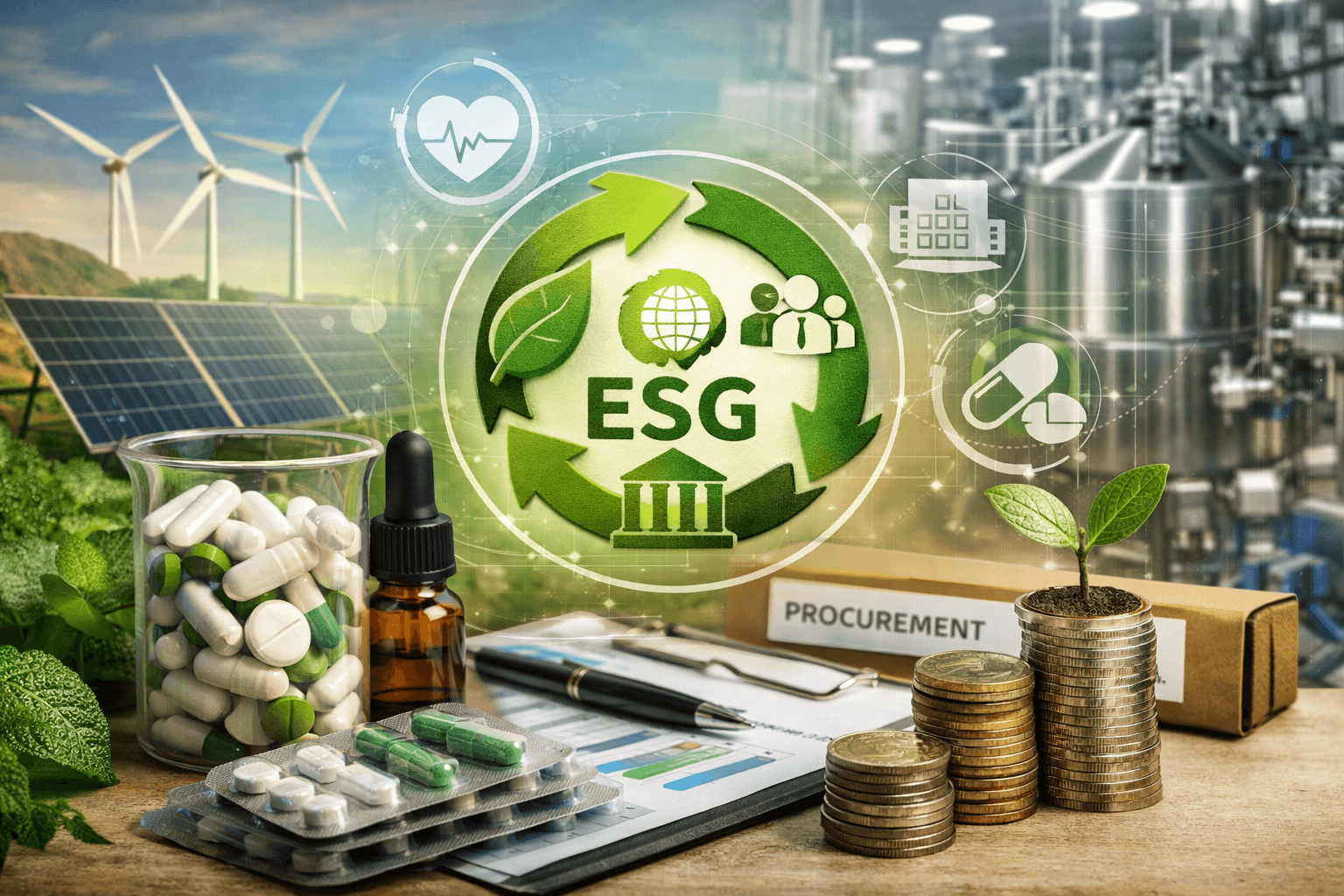
In today’s healthcare landscape, weaving ESG principles into pharma marketing is no longer optional. As payers, procurement teams, and institutional buyers increasingly evaluate pharmaceutical companies on environmental, social, and governance performance, sustainability messaging is emerging as a true commercial lever—not just a corporate communications tool.
This shift means marketing leaders must do more than showcase clinical efficacy and price. They need to communicate sustainability commitments in ways that resonate with access decision-makers and align with brand strategy. This article explores how integrating ESG into commercial messaging can improve brand reputation, drive RFP success, and open the door to new market opportunities.
Table of Contents
- What ESG Marketing Means in Pharma
- Why Payers and Procurement Teams Care
- Bridging ESG and Brand Strategy
- Steps to Build ESG into Pharma Messaging
- How to Measure Impact on Access and Sales
- Conclusion
- FAQs
What ESG Marketing Means in Pharma
ESG-focused marketing in the pharmaceutical space refers to communicating how a company’s sustainability and governance practices create value for healthcare stakeholders. This includes environmental efforts like reducing emissions, social initiatives like improving health equity, and strong governance that fosters transparency and compliance.
These messages aren’t just for shareholders. Procurement officers, hospital systems, and public health buyers are now asking tough questions about a company’s carbon footprint, supply chain ethics, and diversity commitments. Marketing teams that answer those questions clearly and credibly can shape perceptions well beyond the product label.
Why Payers and Procurement Teams Care
Traditionally, payers looked at outcomes and economics. Now, they increasingly recognize that poor environmental or governance performance can pose operational and reputational risks. Climate issues, for example, can disrupt supply chains. Ethical failures can erode public trust. As a result, ESG credentials are starting to appear in RFP criteria and value assessments.
Many large healthcare systems and public agencies have formal sustainability goals. They prefer to work with vendors whose values align with their own. This trend turns ESG into a source of competitive advantage—and a key factor influencing brand preference and contract decisions.
Bridging ESG and Brand Strategy
Effective ESG-driven marketing starts with internal alignment. Sustainability efforts must be real, measurable, and embedded into the company’s operations—not just featured in annual reports. From there, marketers can begin connecting those efforts to product messaging and access strategies.
When sustainability messaging is embedded into brand communications, it shows a company is ready for today’s evolving expectations. Rather than relying on abstract claims, smart marketers translate ESG initiatives into outcomes that matter: improved access, reduced systemic costs, and stronger community relationships.
Internal collaboration is essential. Marketing, regulatory, access, and compliance teams must work together to ensure all ESG messages are accurate and relevant. Done right, sustainability becomes a story that builds trust—and sets the brand apart in crowded markets.
Steps to Build ESG into Pharma Messaging
Here are five ways to create meaningful, actionable ESG communications:
1. Prioritize what matters: Conduct a materiality assessment to identify which ESG areas are most important to your stakeholders—especially procurement and payer audiences.
2. Translate goals into outcomes: Show how ESG efforts support long-term value, such as by reducing operating risks or promoting health equity.
3. Tell better stories: Use real-world examples, patient impact stories, and data visualizations to humanize ESG progress.
4. Be consistent across channels: Whether in sales decks, medical affairs content, or your website, your ESG narrative should be aligned and credible.
5. Bring in external voices: Validation from independent sustainability raters or health equity partners boosts credibility and trust.
The goal is to weave ESG-focused messaging into everyday brand communication—so it becomes part of how stakeholders understand your value.
How to Measure Impact on Access and Sales
The real test of your ESG messaging strategy lies in measurable outcomes. Marketers should track how ESG narratives affect access, reputation, and revenue growth. Useful metrics might include:
- Mentions of ESG in payer feedback or proposal debriefs
- Time to formulary inclusion for brands with sustainability data
- ESG-related differentiators listed in winning RFPs
- Media impressions and digital engagement with ESG content
- Third-party scores or rankings for ESG transparency
Over time, these signals can guide refinements to messaging and prove that sustainability isn’t just good for the planet—it’s good for business too.
Conclusion
As healthcare buyers expand what they value in partnerships, ESG-driven marketing has become a powerful differentiator. For pharmaceutical companies, aligning sustainability with commercial and access strategies is no longer optional—it’s a pathway to stronger brand equity, faster market entry, and better long-term outcomes.
By embedding credible ESG messaging into product narratives, marketers can influence key decision makers, win RFPs, and elevate their brands in ways that traditional value propositions can’t. It’s not just about being green—it’s about being chosen.
FAQs
What is ESG in pharmaceutical marketing?
It refers to the promotion of a company’s environmental, social, and governance commitments as part of its brand and product messaging.
Why is sustainability important in RFPs?
More buyers are including ESG requirements in their evaluation criteria. Demonstrating sustainability performance can improve win rates and build long-term trust.
How do I make ESG messaging more relevant?
Tie it to outcomes your audience cares about—like reduced costs, improved equity, or operational resilience. Avoid vague claims and focus on impact.
Is this only relevant to large pharma companies?
Not at all. Biotechs and specialty pharma can benefit by highlighting focused ESG efforts that resonate with their niche audiences.
What if we’re just starting our ESG journey?
Be transparent about your goals and progress. Stakeholders appreciate honesty and commitment more than perfection.
This content is not medical advice. For any health issues, always consult a healthcare professional. In an emergency, call 911 or your local emergency services.