The remarkable rise of GLP-1 therapies has transformed the treatment landscape for obesity and type 2 diabetes. Medications such as Ozempic, Wegovy, Mounjaro, and Zepbound have generated unprecedented demand, attracting patients, providers, investors, and the media alike. However, as adoption accelerates, a new challenge is emerging. Headlines about overdoses, dosing mistakes, counterfeit products, and medication misuse are beginning to gain traction across mainstream news outlets.
For pharmaceutical marketers, these incidents represent more than isolated safety events. They can influence public perception, shape patient trust, and ultimately affect brand equity. Effective safety communication around GLP-1 therapies is becoming just as important as awareness campaigns and patient acquisition strategies. Brands that proactively address safety concerns may be better positioned to maintain credibility as the category continues to evolve.
Table of Contents
- The growing visibility of GLP-1 safety concerns
- Why safety perception influences brand reputation
- The patient education gap driving communication challenges
- Building stronger safety communication strategies for GLP-1 brands
- Conclusion
- FAQs
The Growing Visibility of GLP-1 Safety Concerns
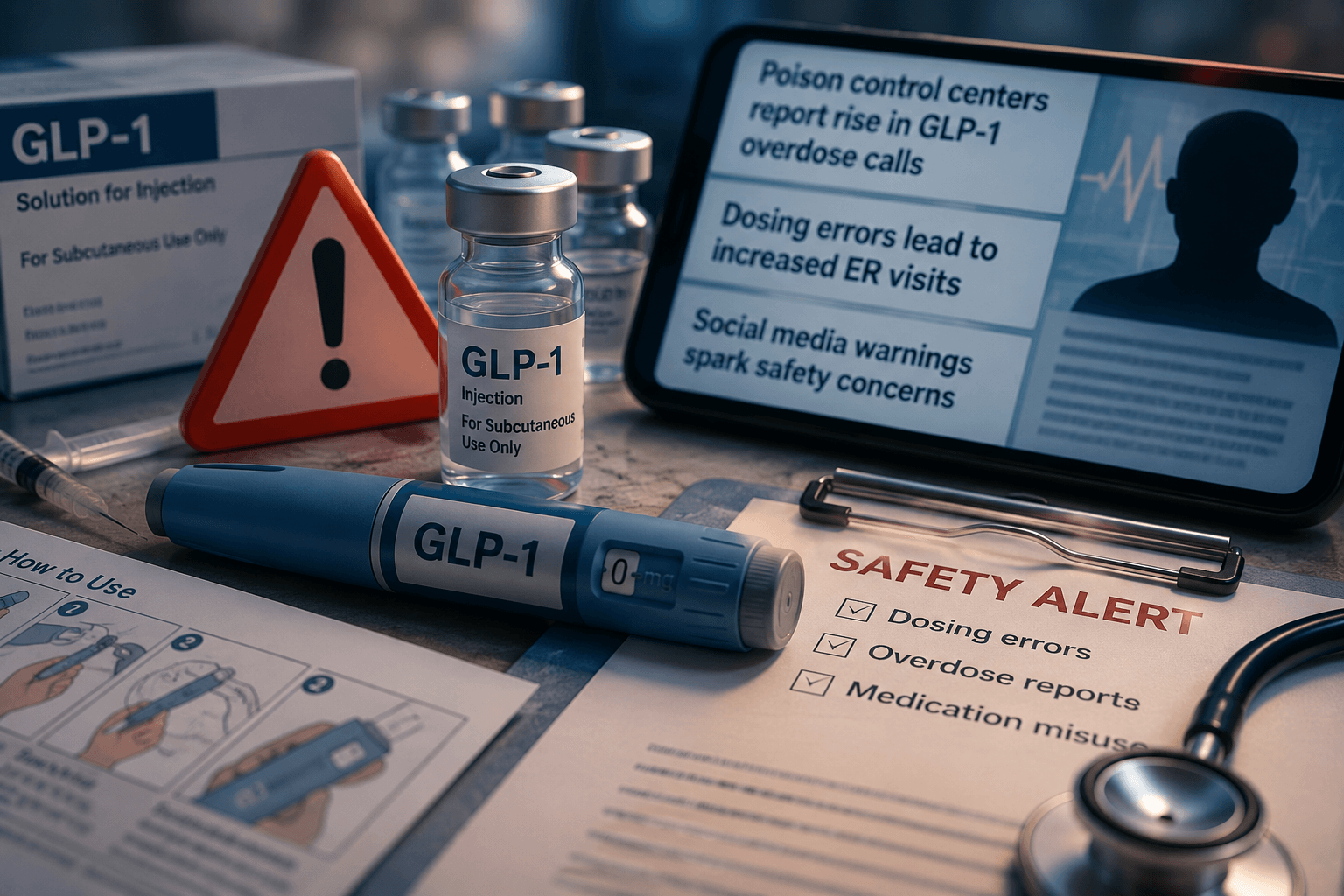
The rapid expansion of the GLP-1 market has created conditions where safety incidents attract significant public attention. According to reports from poison control centers and healthcare organizations, accidental overdoses and administration errors have increased as more patients begin treatment. While these events remain relatively uncommon compared to overall prescription volume, media coverage often amplifies their visibility.
Furthermore, social media platforms have accelerated the spread of safety-related stories. A single patient experience can quickly become a trending topic, generating widespread discussion and concern. Consequently, brands face the challenge of ensuring that isolated incidents do not become representative of the entire therapy category.
Compounding the issue is the growth of compounded and counterfeit GLP-1 products. Patients seeking lower-cost alternatives may encounter products with inconsistent dosing or unclear instructions. As a result, adverse events linked to these products can create confusion among consumers who may not distinguish between approved therapies and unregulated alternatives.
For marketers, this environment requires careful monitoring. Safety narratives can develop rapidly, and brands must be prepared to respond with accurate, transparent, and timely information. Strong medication safety messaging and patient education efforts can help prevent misinformation from shaping public opinion.
Why Safety Perception Influences Brand Reputation
Public perception often shapes healthcare decisions as much as clinical evidence. Although physicians and healthcare professionals rely on scientific data, patients frequently form opinions based on media coverage, online discussions, and personal stories.
This dynamic creates a unique challenge for GLP-1 manufacturers. A highly publicized overdose incident may receive extensive attention despite representing a small fraction of total users. Meanwhile, positive outcomes experienced by millions of patients often receive less coverage.
As a result, perception gaps can emerge. Patients may begin questioning the safety of a therapy category despite strong regulatory oversight and extensive clinical evidence. Therefore, pharmaceutical companies must recognize that reputation management increasingly depends on effective risk communication.
Marketers should also understand that trust is difficult to rebuild once lost. When safety concerns dominate headlines, healthcare providers may spend additional time addressing patient fears, and patients may delay treatment decisions. Consequently, proactive communication strategies can help reduce uncertainty before misconceptions become widespread.
In addition, transparent messaging supports long-term brand credibility. Companies that openly acknowledge risks while emphasizing appropriate use often strengthen trust among patients and healthcare professionals alike.
The Patient Education Gap Driving Communication Challenges
Many GLP-1 safety incidents stem from confusion rather than product defects. New users often encounter unfamiliar dosing schedules, injection techniques, and titration protocols. Without adequate education, mistakes become more likely.
For example, some patients may misunderstand dose escalation schedules and administer higher amounts than prescribed. Others may struggle with injection devices or fail to recognize the importance of following healthcare provider instructions. These situations highlight a critical communication gap.
Pharmaceutical marketers are uniquely positioned to help address this challenge. While promotional campaigns focus on awareness and treatment benefits, educational initiatives can reinforce proper medication use. Patient support programs, instructional videos, and digital onboarding resources all contribute to a safer treatment experience.
Moreover, marketers should consider how patients consume information today. Many individuals seek answers through social media, online communities, and healthcare websites before consulting providers. Therefore, educational content must be accessible, engaging, and easy to understand.
Resources from trusted organizations such as the U.S. Food and Drug Administration can complement branded educational materials and help reinforce evidence-based information. Additionally, companies can direct patients to professional medical guidance through Healthcare.pro when questions arise regarding treatment decisions.
Building Stronger Safety Communication Strategies for GLP-1 Brands
As media scrutiny intensifies, pharmaceutical brands should view safety communications for GLP-1 therapies as a core component of marketing strategy rather than a reactive function.
First, companies should develop clear educational messaging that addresses common patient questions. Consistent guidance on dosing, administration, storage, and treatment expectations can reduce confusion and improve adherence.
Second, marketers should collaborate closely with medical, regulatory, and pharmacovigilance teams. This alignment ensures that safety messaging remains accurate while supporting broader brand objectives. Cross-functional coordination also enables faster responses when emerging concerns gain public attention.
Third, organizations should actively monitor digital conversations. Social listening tools can help identify recurring misconceptions, misinformation, and patient concerns before they become larger reputational issues. Insights gathered from these channels can inform future educational campaigns.
Additionally, brands should embrace transparency. Attempting to minimize or ignore safety discussions can damage credibility. Instead, companies should provide balanced information that acknowledges risks while reinforcing appropriate use and clinical benefits.
Digital engagement strategies also play an important role. Companies investing in omnichannel communication and healthcare marketing initiatives may find opportunities to strengthen patient education across multiple touchpoints. Organizations seeking to enhance digital healthcare engagement often leverage resources available through eHealthcare Solutions to support broader outreach strategies.
Ultimately, the goal is not merely to respond to safety concerns. The objective is to build a communications framework that supports patient confidence throughout the treatment journey.
Conclusion
The GLP-1 market continues to experience extraordinary growth, but increased visibility brings increased scrutiny. Overdose reports, dosing errors, and misuse incidents are becoming part of the broader public conversation surrounding these therapies. While many events are isolated, their impact on perception can be significant.
For pharmaceutical marketers, effective risk and safety communications have become essential for protecting brand reputation and maintaining patient trust in GLP-1 therapies. By addressing education gaps, monitoring emerging narratives, and communicating transparently, companies can help ensure that safety discussions remain grounded in facts rather than fear. As the category matures, proactive risk communication may become one of the most important differentiators in sustaining long-term brand success.
FAQs
What do GLP-1 safety communications involve?
GLP-1 safety communications include educational and informational efforts designed to help patients, providers, and stakeholders understand the safe and appropriate use of GLP-1 medications.
Why are overdose headlines affecting GLP-1 brands?
Media coverage can influence public perception, even when incidents are relatively rare. As a result, brands may face reputation challenges if safety concerns dominate public discussions.
What causes most GLP-1 dosing errors?
Many dosing errors occur because of misunderstandings about titration schedules, injection techniques, or medication instructions rather than product defects.
How can pharmaceutical marketers support patient safety?
Marketers can create educational resources, improve patient onboarding, collaborate with medical teams, and provide clear guidance on proper medication use.
Why is transparency important in safety communications?
Transparent communication builds trust, reduces misinformation, and helps patients make informed decisions about treatment.
Disclaimer: This content is not medical advice. For any health issues, always consult a healthcare professional. In an emergency, call 911 or your local emergency services.