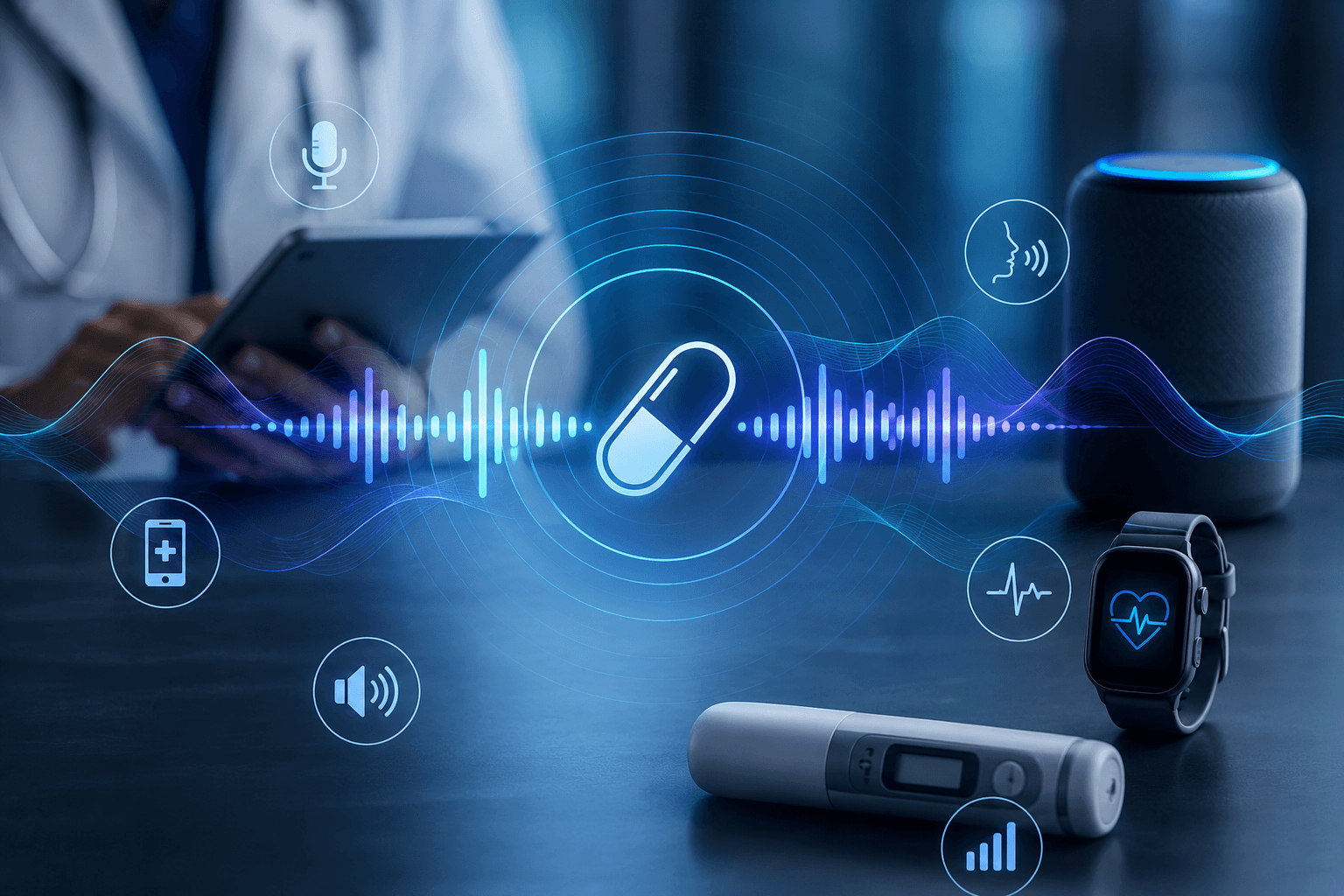
Healthcare marketing has traditionally relied on visual identity. Logos, colors, packaging, websites, and advertising have shaped how pharmaceutical companies present themselves for decades. However, the digital healthcare landscape is evolving rapidly. Patients now engage through podcasts, voice assistants, telehealth platforms, connected medical devices, digital therapeutics, and mobile health apps. As these touchpoints multiply, sonic branding is emerging as an important strategy for pharmaceutical companies, helping strengthen brand recognition while building lasting trust.
Think about the familiar sound that plays when your smartphone starts up or when a streaming service launches. Those brief audio signatures instantly trigger recognition. Pharmaceutical companies have an opportunity to create the same emotional connection while improving patient experiences across the treatment journey. Rather than replacing visual branding, audio complements it by making every interaction more memorable and more human.
Table of Contents
- Why sound matters in modern healthcare
- What sonic branding means for pharmaceutical companies
- Building patient trust through audio experiences
- Best practices for implementing sonic branding
- The future of audio-first healthcare engagement
- Conclusion
- FAQs
Why Sound Matters in Modern Healthcare
Consumers spend more time listening than ever before. Podcasts continue to grow in popularity, smart speakers are common in homes, and voice search has become part of daily life. Meanwhile, healthcare providers increasingly use digital platforms to educate patients and communicate with colleagues.
Consequently, pharmaceutical marketers must think beyond visual impressions. Every notification, reminder, educational video, virtual waiting room, or connected medical device creates an opportunity to reinforce a consistent brand experience.
Research in consumer psychology has shown that sound influences emotion, memory, and decision-making. While healthcare decisions require scientific evidence and physician guidance, emotional comfort also matters. Patients often experience stress, uncertainty, and information overload. Carefully designed audio can help create reassurance rather than anxiety.
For example, a medication reminder accompanied by a calming, recognizable sound feels very different from a generic phone notification. Likewise, an educational video that opens with a consistent audio identity becomes easier to recognize over time.
As digital engagement continues expanding, pharmaceutical companies should consider audio as another essential brand asset rather than an afterthought.
What Sonic Branding Means for Pharmaceutical Companies
Sonic branding involves creating a consistent collection of audio elements that represent a brand across every interaction. Unlike a traditional jingle, modern sonic branding is much broader and more flexible.
A comprehensive pharmaceutical sonic branding strategy may include:
- Brand audio logos
- Podcast introductions
- Mobile app notification sounds
- Connected-device alerts
- Telehealth waiting room audio
- Educational video sound design
- Conference presentation intros
- Voice assistant interactions
Each element should reinforce the same emotional identity while remaining appropriate for healthcare settings.
For pharmaceutical companies, the goal of sonic branding is never entertainment alone. Instead, audio should communicate qualities such as trust, confidence, innovation, empathy, and reliability.
Brand consistency becomes increasingly valuable when patients move between multiple digital channels. Someone may first hear a branded podcast, later use a companion app, receive medication reminders, and eventually interact with connected monitoring devices. Consistent audio helps create familiarity throughout these experiences.
Companies investing in omnichannel engagement should also ensure their digital strategy remains aligned with broader healthcare marketing goals. Resources available on Pharma Marketing Network provide valuable insights into emerging pharmaceutical marketing trends, omnichannel engagement, and digital innovation.
Building Patient Trust Through Audio Experiences
Trust remains one of the most valuable assets in healthcare. Patients expect accuracy, transparency, and consistency from pharmaceutical companies. Audio can reinforce these expectations when implemented thoughtfully.
Medication adherence offers one example. Millions of patients struggle to take medications consistently. Companion apps increasingly provide reminders, educational content, symptom tracking, and progress monitoring.
Rather than using generic system notifications, branded audio cues can create positive reinforcement while avoiding unnecessary alarm or stress. Gentle notification sounds encourage engagement without becoming intrusive.
Similarly, connected medical devices benefit from carefully designed audio experiences. Whether supporting inhalers, insulin delivery systems, wearable monitoring devices, or digital therapeutics, audio feedback should communicate confidence and simplicity.
Healthcare professionals also benefit from consistent audio branding. Educational webinars, virtual congress presentations, continuing education modules, and medical podcasts become easier to recognize when supported by a distinctive audio identity.
Importantly, every audio element should prioritize accessibility. Sounds should never replace essential visual instructions but instead complement them. Inclusive design ensures patients with hearing or visual impairments receive appropriate support across every platform.
When organizations develop digital health experiences, partnering with experienced healthcare technology and communication specialists can improve both usability and patient engagement. For companies seeking broader digital healthcare expertise, visit Healthcare.pro.
Best Practices for Implementing Sonic Branding
Successful sonic branding initiatives in the pharmaceutical industry begin with strategy rather than music selection. Every sound should reflect the company’s core values while reinforcing a consistent pharmaceutical brand identity.
First, define the emotional personality of the brand. Should the experience feel reassuring, innovative, optimistic, calming, or empowering? The chosen audio language should consistently support these objectives.
Second, maintain consistency across every digital touchpoint. Patients should recognize the same audio identity whether interacting with a mobile application, educational video, connected device, or podcast.
Third, design for context. Hospital environments differ significantly from home settings. Audio used in clinical environments should remain subtle, while consumer-facing experiences may allow slightly richer sound design.
Fourth, test with real users. Patients, caregivers, and healthcare professionals can provide valuable feedback regarding emotional response, clarity, comfort, and recognition.
Finally, integrate sonic branding into broader digital marketing initiatives. Organizations investing in omnichannel campaigns, digital advertising, and healthcare communications should ensure their audio identity supports every customer interaction. Companies looking to strengthen their healthcare marketing strategy can also explore digital engagement insights from eHealthcare Solutions.
The Future of Audio-First Healthcare Engagement
Healthcare technology continues moving toward more natural human interaction. Artificial intelligence, conversational interfaces, wearable devices, remote monitoring, and personalized digital therapeutics will increasingly rely on voice and sound.
As these technologies mature, pharmaceutical companies that establish recognizable audio brand identities today may enjoy significant competitive advantages tomorrow.
Future applications could include personalized medication coaching, AI-powered patient education, adaptive reminder systems, voice-enabled adherence support, and immersive digital therapeutic experiences. In each scenario, sound becomes an extension of the brand itself.
Meanwhile, healthcare professionals are consuming more educational content through podcasts, webinars, and audio-first learning platforms. Pharmaceutical organizations that develop consistent audio branding across these channels strengthen recognition while delivering valuable scientific information.
The companies that succeed will not simply create memorable sounds. They will create meaningful experiences that reduce friction, increase familiarity, and support better healthcare engagement throughout the patient journey.
Conclusion
Visual branding will always remain essential, but it is no longer sufficient in an increasingly connected healthcare ecosystem. As patients and healthcare professionals interact through podcasts, mobile applications, voice assistants, digital therapeutics, and connected devices, audio becomes another powerful communication channel.
A thoughtful sonic branding strategy for pharma brands helps strengthen recognition, reinforce trust, and create more consistent experiences across every patient and healthcare professional touchpoint. More importantly, it helps pharmaceutical companies connect with people during moments that matter most. In an industry built on confidence and credibility, even a simple sound can leave a lasting impression.
FAQs
What is sonic branding in pharma?
Sonic branding in pharma refers to the intentional use of sounds, audio logos, voice experiences, and notification tones that consistently represent a pharmaceutical brand across digital and physical touchpoints.
Why is sonic branding becoming important for pharmaceutical companies?
Healthcare engagement increasingly occurs through podcasts, mobile apps, connected devices, voice assistants, and digital therapeutics. Audio helps strengthen recognition and build trust across these channels.
Can sonic branding improve patient adherence?
While it does not replace clinical care, thoughtfully designed audio reminders and companion app sounds may encourage engagement and make medication routines feel more consistent and reassuring.
Should pharmaceutical companies use the same audio everywhere?
The overall audio identity should remain consistent while adapting to different environments. Hospital settings, mobile apps, educational content, and connected devices may require different implementations of the same sonic brand.
How does sonic branding fit into omnichannel pharmaceutical marketing?
Sonic branding complements visual identity by creating a unified experience across websites, apps, webinars, podcasts, digital advertising, connected devices, and other patient or HCP interactions.
Disclaimer: This content is not medical advice. For any health issues, always consult a healthcare professional. In an emergency, call 911 or your local emergency services.