Why Pharma Is Shifting from Products to Platforms
In recent years the idea of a “pharma health ecosystem” has moved from theory to strategy. Rather than just promoting pills, many pharmaceutical companies now recognize that long-term value comes from supporting patients throughout their health journey. For example, when patients receive reminders, education, and support, they are more likely to stick to therapy — and maintain better outcomes. At the same time, healthcare professionals (HCPs) appreciate partners who help ease their workload by offering data-driven tools and patient‑management platforms. As a result, pharma marketers are increasingly repositioning their role: no longer just drug vendors, but holistic care partners.
Furthermore, rising expectations from patients and regulators demand more transparency and ongoing health support. Digital health technologies and data partnerships make it possible to show value beyond drug efficacy. By building connected care paths that span prevention, treatment, and follow‑up, pharma companies demonstrate a commitment not only to the pill — but to the person taking it.
What a Pharma Health Ecosystem Looks Like
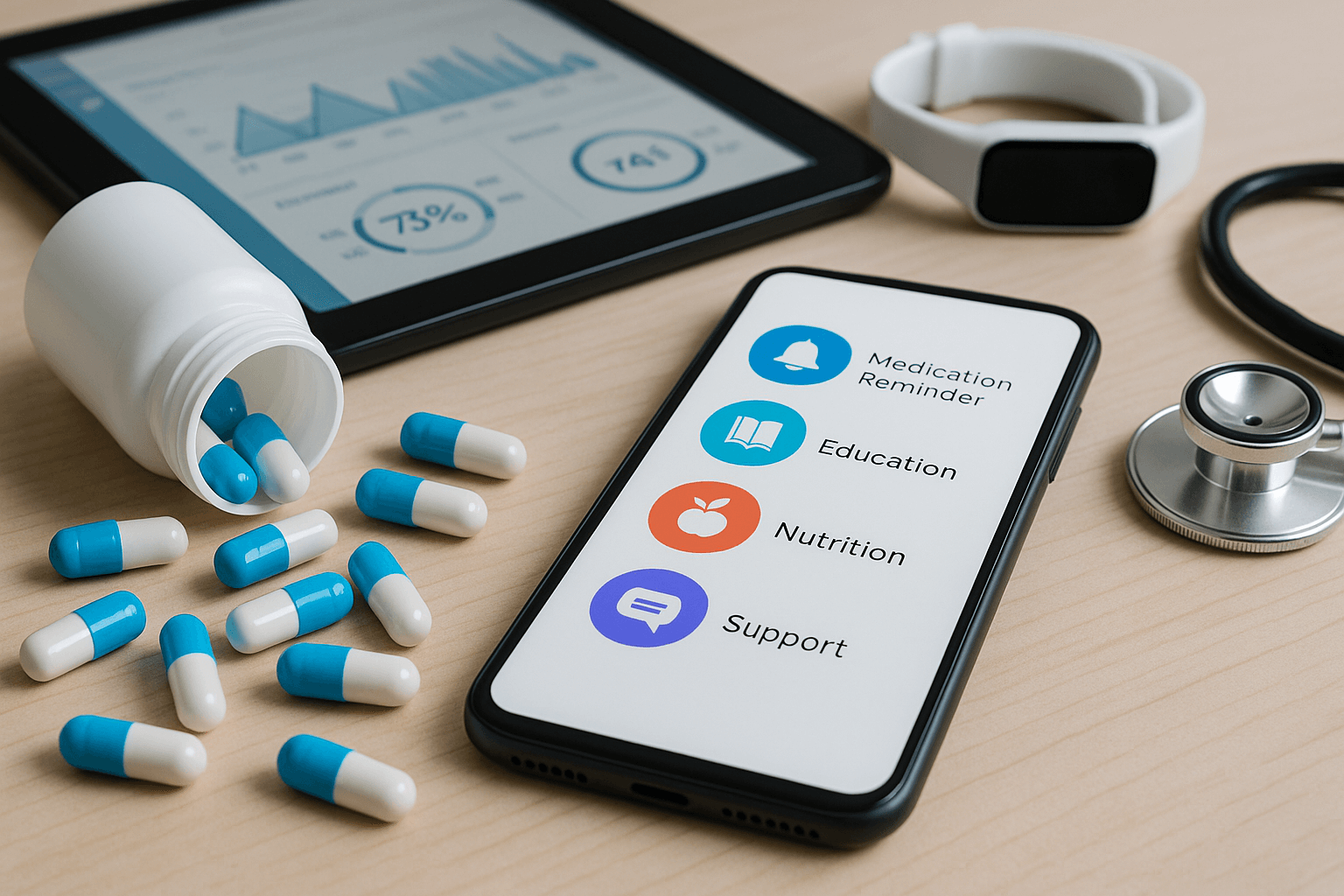
A robust pharma health ecosystem combines several components into a unified experience. First, there is a patient‑facing layer: mobile apps, web portals, or bots that deliver medication reminders, educational content, nutrition guidance, or mental health support. These tools keep patients engaged before, during, and after treatment. Second, there is a clinician or HCP platform that shares anonymized data or treatment progress (with consent), enabling informed decision‑making. Third, there is a data backbone — often created through partnerships with digital health startups, monitoring platforms, or even wearable vendors — that provides real‑time insights into adherence, side effects, and outcomes.
When combined, these layers create value in multiple ways. Patients benefit from continuous support, better adherence, and improved outcomes. HCPs get actionable data and better insights. Pharma companies collect real‑world evidence and build stronger brand loyalty. In effect, the ecosystem reframes a drug from a one-time transaction into an ongoing relationship centered on health outcomes.
Strategies Marketers Use to Build Experiences
Digital Platforms and Patient Apps
Many marketers begin by launching branded apps or platforms designed to support specific chronic conditions. These might include insulin‑tracking tools for diabetes, symptom trackers for respiratory diseases, or wellness coaching for lifestyle‑related conditions. Such tools offer reminders, educational modules, or even telemedicine booking. At first, engagement may focus on treatment, but over time the platform becomes a broader health companion. For example, after patients complete a course of treatment, the app may offer follow-up assessments or preventive care suggestions. This continuous engagement increases both value and trust.
Companies often integrate gamification or rewards to boost adherence and engagement. For instance, users might earn points for logging medication, completing educational lessons, or reporting side effects. Rewards can take the form of discounts on over‑the‑counter products or access to premium content. These incentives help shift the user mindset from “taking a pill” to “managing my health.”
Data Partnerships and Personalized Care
Beyond apps, pharma marketers are forming alliances with digital‑health startups and data companies to strengthen ecosystems. Through these partnerships, companies gain access to analytics, remote monitoring, and population‑level insights. For example, by analyzing aggregated data from dozens or hundreds of users, brands can spot trends in side effects, adherence issues, or comorbidity patterns.
These insights enable more personalized care. If a patient shows a risk factor for relapse, the system can trigger a tailored intervention — perhaps a health coach outreach or a diagnostic reminder. This proactive approach can improve outcomes and reduce costs in the long run. Additionally, data-backed evidence supports marketing claims with real‑world data, making communications more credible and valuable to HCPs.
Measuring Success Beyond Sales
Traditionally, marketers evaluated success by how many prescriptions moved off the shelf. However, in a health ecosystem model, success metrics have evolved. Companies now track engagement rates, patient retention, adherence levels over time, and real‑world outcomes such as hospitalization rates or quality‑of‑life improvements.
These metrics carry real weight for both stakeholders and regulators. For HCPs, evidence of improved adherence or decreased relapse strengthens their trust in the brand. For payers or insurers, lower hospitalization or complication rates translate to lower system costs. For regulators and public health authorities, data-driven ecosystems support a more transparent and outcome‑focused industry.
Moreover, marketing value shifts. Firms can now communicate value in terms of long-term patient benefit rather than one-time drug sales. That shift resonates not only with patients but also with increasingly value-conscious healthcare systems worldwide.
Challenges and Considerations for Pharma Health Ecosystems
Building a pharma health ecosystem offers many benefits. Yet it also poses challenges. First, data privacy and compliance are critical. Companies must ensure they secure patient consent, anonymize data when needed, and comply with global and local data protection laws. Failure to do so can lead to reputational damage or regulatory penalties.
Second, adoption remains an obstacle. Some patients may not use apps or digital tools consistently, especially in regions with limited internet access. Others may resist sharing personal health data. To overcome this, marketers must design simple, inclusive tools and communicate clear benefits to users.
Third, technical integration and interoperability can pose hurdles. Healthcare systems often run on diverse platforms, and integrating data from wearables, apps, and clinical records can be complex. That complexity requires careful planning, strong partnerships, and sound architecture.
Despite these challenges, many brands believe the long-term payoff outweighs the risks. By adopting a patient‑centric mindset and investing in the right technologies, they reshape how care is delivered — and how value is perceived.
Conclusion
Pharma companies are no longer limited to the pill bottle. By investing in digital platforms, data partnerships, and patient‑centred tools, they build a pharma health ecosystem that supports care across the full journey — from prevention to treatment to follow-up. In doing so, they redefine value not just as a drug sale but as improved health outcomes, sustained engagement, and trust. As the industry moves forward, those who embrace the ecosystem model will likely lead in both patient satisfaction and long-term relevance.
FAQs
What exactly is a pharma health ecosystem?
A pharma health ecosystem refers to an integrated network of tools, platforms, data partnerships, and services that support patients before, during, and after drug treatment. It goes beyond product delivery to holistic health engagement.
Why do pharma brands invest in digital health ecosystems?
Brands invest because such ecosystems help improve adherence, patient engagement, and real‑world outcomes. They also build loyalty, support regulatory compliance, and generate valuable data for ongoing care and research.
Is patient privacy a concern in these ecosystems?
Yes, patient privacy is a major concern. Companies must secure informed consent, ensure data anonymization where necessary, and comply with local privacy laws. Proper governance and transparency are essential.
How do pharma health ecosystems benefit healthcare providers (HCPs)?
HCPs benefit by receiving better data insights, patient adherence reports, and remote monitoring tools. This support can reduce workload, inform treatment adjustments, and improve patient outcomes.
Can small or mid‑size pharma firms build effective health ecosystems?
Yes. Even smaller firms can start with lightweight tools — such as patient‑education apps, simple reminder systems, or partnerships with digital‑health startups. Over time, they can expand or scale the ecosystem as needed.
This content is not medical advice. For any health issues, always consult a healthcare professional. In an emergency, call 911 or your local emergency services.