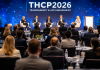
Healthcare professionals (HCPs) are overwhelmed. Back-to-back webinars, dense slides, and rigid Continuing Medical Education (CME) modules make learning feel like a burden instead of a benefit. That’s where modular education for HCPs comes in—a flexible, bite-sized approach to clinician learning that improves outcomes while respecting their time. This article explores why modular learning for healthcare professionals is becoming pharma’s next smart move, how it addresses webinar fatigue, and how to implement it while staying compliant.
Table of Contents
1. Why Webinar Fatigue Matters for Pharma
2. What Is Modular Education for HCPs?
3. Benefits for Healthcare Providers and Pharma
4. How to Design Effective Modular Learning
5. Overcoming Challenges and Staying Compliant
6. FAQs
7. Conclusion
Why Webinar Fatigue Matters for Pharma
Healthcare professionals face a deluge of educational content. Every week, they receive invitations to webinars, virtual events, and product training sessions. While well‑intentioned, these efforts often result in low attendance, poor engagement, and limited knowledge retention. Webinar fatigue is real, and it’s driving HCPs to tune out generic content that feels like a checkbox exercise rather than a meaningful learning experience.
For pharmaceutical marketers and medical education teams, this trend poses a strategic challenge. Traditional linear CME content often fails to meet HCPs where they are, offering long, uninterrupted sessions that don’t align with busy clinical schedules. As a result, retention drops and the intended educational impact diminishes. To capture attention and deliver real value, pharma needs to rethink its approach.
What Is Modular Education for HCPs?
This approach breaks educational content into smaller, self‑contained units that HCPs can access on their own terms. Instead of a 90‑minute webinar, they might engage with three to five short modules, each focused on a specific learning objective. These modules can be consumed in any order, revisited as needed, and tailored to individual learning paths.
At its core, this method aligns with microlearning and adaptive learning principles. It empowers HCPs to choose what they need, when they need it, and how they prefer to engage. This flexibility makes learning feel more like a personalized experience rather than a scheduled obligation.
Benefits for Healthcare Providers and Pharma
This type of modular learning offers tangible benefits to both HCPs and pharma teams alike.
First, it enhances engagement. When content is concise, relevant, and easy to access, HCPs are more likely to participate and complete modules. This leads to higher completion rates compared to long, one‑off webinars.
Second, it supports better knowledge retention. Studies show that spaced repetition and short, focused learning sessions improve recall and application in practice. Modular design naturally incorporates these principles, helping HCPs retain important clinical and product information.
Third, it respects clinicians’ time. HCPs often squeeze learning into brief windows between patients or meetings. Offering bite‑sized modules means they can learn in moments that work for them, rather than blocking out large chunks of time for traditional sessions.
For pharma teams, this approach creates opportunities for adaptive learning pathways. By tracking engagement and performance data, marketers and medical educators can refine content, personalize recommendations, and demonstrate learning outcomes more effectively. This data‑driven approach aligns with broader digital transformation goals in healthcare marketing.
How to Design Effective Modular Learning
Designing an effective modular education strategy for HCPs takes careful planning and alignment. Here are some best practices to keep in mind:
Start with Clear Objectives: Each module should have a defined learning goal. Whether it’s understanding a mechanism of action or addressing patient adherence, clarity helps learners stay focused.
Use Multimedia Formats: Combine short videos, audio clips, text, and interactive elements to appeal to various learning styles. A brief explainer video can often convey complex concepts more efficiently than a static slide deck.
Give HCPs Flexibility: Allow them to choose the order and pace of their learning. Adaptive modules that respond to their progress improve relevance and satisfaction.
Integrate Assessments and Reflections: Include quizzes, case studies, and real-world scenarios to reinforce learning and track outcomes.
Stay Practical: HCPs value actionable content. Use examples that relate directly to patient care to make modules more useful and memorable.
For content teams, referencing guidelines from trusted platforms such as eHealthcare Solutions can help structure compliant, outcome-driven learning.
Overcoming Challenges and Staying Compliant
Implementing modular content may raise compliance and review concerns, but with proper processes, these can be mitigated. Involve legal, regulatory, and medical review teams early. Use standardized templates and centralized content libraries to simplify approval workflows.
Digital learning platforms that support version control, audit trails, and gated content can help maintain consistency and compliance. Privacy and data security also matter—ensure any platform you use adheres to HIPAA or GDPR standards.
Finally, measure success. Define KPIs such as completion rates, test scores, or user satisfaction surveys. This demonstrates ROI and guides content optimization over time. For examples of best practices, visit the HCP Engagement Strategies section at Pharma-Mkting.com.
FAQs
What is modular HCP education? It’s a flexible learning model that breaks education into short, targeted modules for healthcare professionals to access independently.
How does it address webinar fatigue? It offers shorter, relevant content that fits into a busy HCP’s day, unlike traditional long-form webinars.
Is modular content compliant with pharma standards? Yes, with the right review process, modular formats meet all legal and regulatory requirements.
Can this work across specialties? Absolutely. Whether in oncology, cardiology, or rare disease education, modular design adapts easily.
How can we measure effectiveness? Use metrics like completion rates, assessments, and engagement data to evaluate success.
Conclusion
Webinar fatigue is a real issue—and it’s time for pharma to innovate. Modular education for HCPs offers a dynamic, user-friendly alternative that respects their time while improving outcomes. By designing content that’s concise, adaptive, and engaging, pharmaceutical teams can build trust, increase participation, and deliver measurable learning impact.
Ready to evolve your learning strategy? Visit Healthcare.pro for insights on delivering meaningful digital experiences for HCPs.
This content is not medical advice. For any health issues, always consult a healthcare professional. In an emergency, call 911 or your local emergency services.