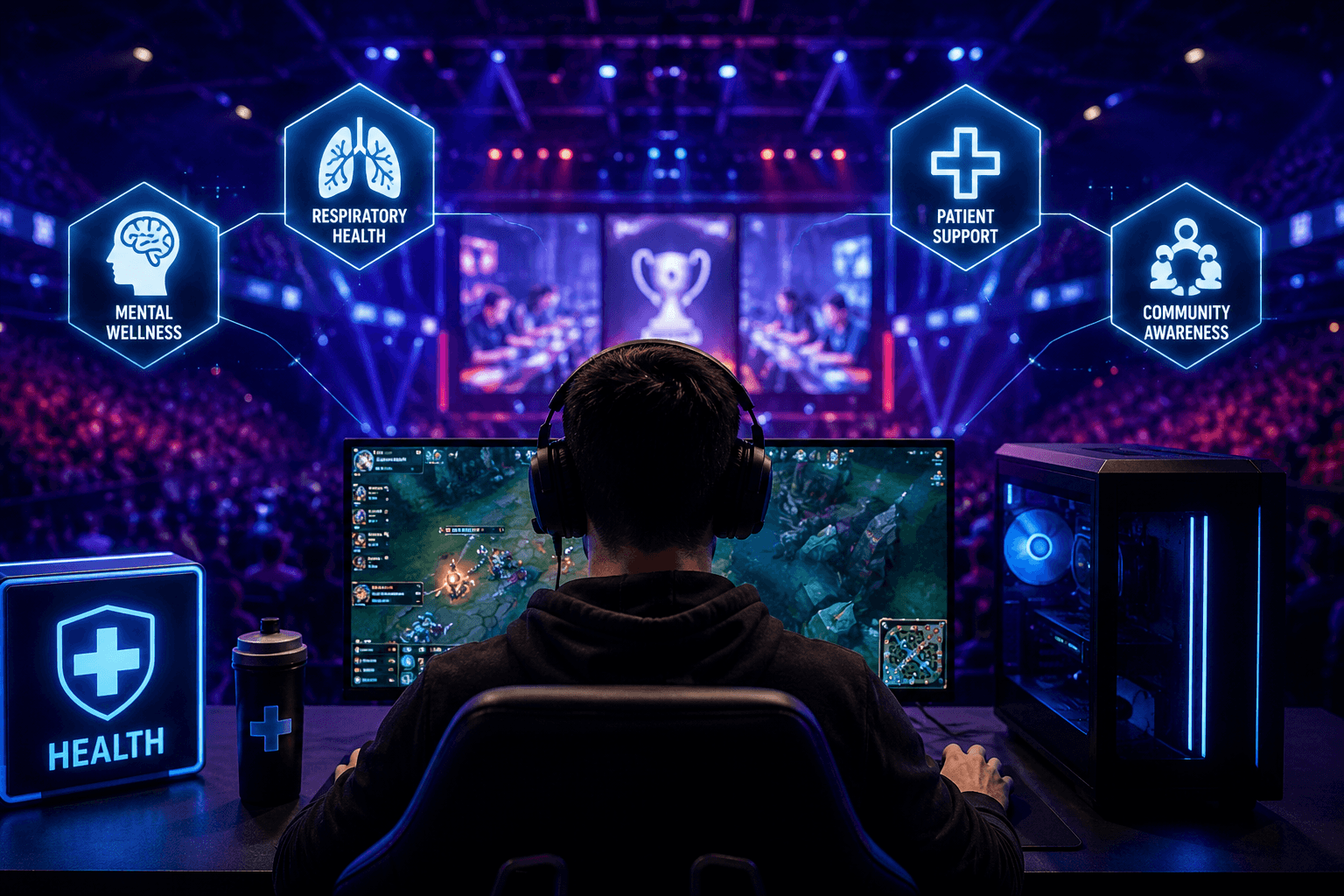
The gaming industry is no longer just entertainment. It has become one of the most influential digital ecosystems for younger audiences, especially men between the ages of 18 and 34. As traditional digital advertising channels become crowded and less effective, pharmaceutical companies are exploring new ways to connect with hard-to-reach patient communities. That shift is driving rapid growth in healthcare gaming partnerships and esports-focused pharma campaigns.
From Twitch livestream sponsorships to esports tournament collaborations, healthcare brands are beginning to recognize gaming culture as a powerful environment for awareness campaigns and patient education. However, success in this space requires more than placing logos on a stream. Pharma marketers must understand gaming communities, creator relationships, platform policies, and evolving regulatory expectations.
Table of Contents
- Why gaming culture matters for pharma
- How esports sponsorships are changing healthcare outreach
- Twitch partnerships and unbranded campaigns
- Regulatory challenges and compliance considerations
- The future of pharma esports marketing
Why Gaming Culture Matters for Pharma
For years, pharmaceutical marketers relied heavily on search ads, social media campaigns, and healthcare publisher placements. While those channels still matter, younger audiences increasingly spend their time elsewhere. Platforms like Twitch, Discord, YouTube Gaming, and esports broadcasts now attract millions of highly engaged users every day.
This trend creates a unique opportunity for pharmaceutical brands entering the esports and gaming space. Many therapeutic categories, including ADHD, asthma, anxiety, depression, and dermatology conditions, affect demographics deeply connected to gaming culture. However, these audiences often distrust traditional advertising. As a result, brands must approach engagement differently.
Gaming communities value authenticity and transparency. Therefore, pharma companies entering esports environments must focus on education, support, and meaningful partnerships rather than direct promotion. For example, unbranded awareness campaigns discussing mental health challenges among gamers can generate stronger engagement than traditional product-focused advertising.
In addition, esports audiences are highly interactive. Fans spend hours watching creators livestream gameplay while chatting in real time. This level of attention is difficult to replicate through display ads or standard social campaigns. Consequently, healthcare marketers see gaming platforms as a way to create deeper conversations around wellness and disease awareness.
Brands also recognize that gaming culture increasingly overlaps with broader entertainment and lifestyle trends. Professional gamers, streamers, and esports personalities now function like celebrities for younger consumers. Because of this, partnerships with trusted creators can significantly improve message credibility.
According to industry experts at Healthcare.pro, healthcare communication strategies are evolving rapidly as digital-first patient engagement becomes essential for long-term growth.
How Esports Sponsorships Are Changing Healthcare Outreach
Esports sponsorships have become one of the fastest-growing areas of pharmaceutical digital marketing. Major tournaments attract millions of viewers globally, creating massive exposure opportunities for healthcare brands.
Some pharmaceutical companies are supporting wellness initiatives tied to gaming events. Others sponsor educational segments discussing sleep health, mental performance, respiratory care, or stress management. These campaigns allow brands to participate in gaming culture without relying on direct-to-consumer drug promotion.
For example, mental health awareness campaigns fit naturally within esports communities because burnout, stress, and performance anxiety are common topics among gamers. Brands focusing on ADHD or anxiety education can collaborate with creators who openly discuss their experiences. This approach feels more authentic and community-driven.
However, sponsorship strategies must remain carefully structured. Regulatory agencies continue to monitor healthcare advertising practices across digital media. Therefore, many pharma companies choose unbranded educational campaigns instead of product-specific promotions.
Another important factor is audience fragmentation. Unlike traditional television audiences, gaming communities spread across multiple platforms and niche communities. Successful campaigns require tailored messaging for Twitch, YouTube Gaming, Reddit, and Discord environments.
Companies seeking stronger digital visibility often combine gaming activations with broader omnichannel campaigns. Agencies specializing in healthcare communications, such as eHealthcare Solutions, help pharmaceutical brands align esports strategies with compliant digital advertising frameworks.
Twitch Partnerships and Unbranded Disease Education
Twitch sits at the center of many gaming-focused healthcare campaigns because of its live interaction capabilities. Unlike static advertisements, Twitch enables brands to engage audiences during real-time conversations.
This format creates opportunities for educational livestreams, sponsored wellness discussions, and creator-led awareness initiatives. For example, streamers may discuss topics like sleep hygiene, ADHD management, or stress reduction while integrating sponsored educational resources naturally into their content.
Importantly, many healthcare campaigns on Twitch avoid direct product promotion entirely. Instead, brands focus on disease education, symptom awareness, and encouraging viewers to seek professional medical advice.
Unbranded campaigns often perform better because they align with community expectations. Gaming audiences typically resist aggressive advertising. However, they respond positively to creators who share personal experiences and helpful information.
Pharma marketers must also understand creator dynamics before launching campaigns. Streamers maintain strong relationships with their communities, and audiences quickly notice partnerships that feel forced or insincere. Therefore, successful collaborations depend on selecting creators whose values align with campaign goals.
Additionally, platform policies continue to evolve. Twitch maintains advertising guidelines that affect healthcare promotions, sponsorship disclosures, and branded integrations. Pharma legal and compliance teams must review every campaign element carefully before launch.
Transparency remains essential. Clear disclosures help maintain audience trust while reducing regulatory risk. As gaming platforms mature, compliance expectations will likely become even stricter.
Regulatory Challenges and Compliance Considerations
Although esports-focused healthcare campaigns offer exciting opportunities, they also introduce significant compliance challenges. Healthcare advertising regulations were not originally designed for livestreaming environments, influencer partnerships, or real-time audience interactions.
One major concern involves adverse event reporting. During livestreams or chat interactions, viewers may mention side effects or medical experiences that pharmaceutical companies must monitor appropriately. Managing these conversations requires careful moderation strategies and internal reporting systems.
Another challenge involves fair balance requirements. Traditional pharmaceutical advertising typically includes detailed risk disclosures. However, livestream environments make it difficult to present complex medical information clearly without disrupting content flow.
As a result, many brands prioritize unbranded campaigns that focus on general disease awareness rather than specific therapies. This approach reduces regulatory complexity while still supporting patient education objectives.
Global campaigns create additional complications because healthcare advertising regulations vary by country. A Twitch stream accessible worldwide may expose brands to multiple regulatory jurisdictions simultaneously.
Nevertheless, healthcare brands continue investing heavily in gaming and esports outreach. Younger audiences consume media differently than previous generations, and healthcare companies understand they must adapt their communication strategies accordingly.
Industry analysts predict that gaming-related healthcare partnerships will expand significantly over the next several years, especially in mental health, wellness, respiratory care, and neurodivergent patient communities.
The Future of Pharma Esports Marketing
The pharmaceutical industry’s relationship with esports is still evolving, but its long-term potential is clear. Gaming culture now influences entertainment, communication, and digital behavior at a global scale. Pharmaceutical brands that understand these communities can build stronger awareness and trust among younger audiences.
Future campaigns will likely become more sophisticated and data-driven. Artificial intelligence, audience analytics, and community engagement tools will help brands personalize educational outreach more effectively.
At the same time, regulatory oversight will continue increasing. Companies that prioritize transparency, authenticity, and compliance will be better positioned for sustainable success in gaming environments.
Ultimately, esports and Twitch are no longer niche platforms. They represent mainstream digital culture. For pharmaceutical marketers seeking new ways to connect with younger demographics, gaming communities offer a rapidly expanding opportunity that cannot be ignored.
Conclusion
Gaming and esports partnerships are reshaping how healthcare brands engage younger audiences online. As traditional advertising channels lose effectiveness, gaming platforms like Twitch and esports tournaments provide new opportunities for education, awareness, and community engagement. However, success requires careful compliance planning, authentic creator partnerships, and audience-first messaging strategies. Brands that adapt thoughtfully to gaming culture will likely gain a competitive advantage in the evolving healthcare marketing landscape.
FAQs
What is pharma esports marketing?
Pharma esports marketing refers to pharmaceutical and healthcare brands promoting awareness campaigns, educational initiatives, or sponsorships within esports and gaming communities.
Why are pharma companies using Twitch?
Twitch offers direct access to younger, highly engaged audiences through livestreaming and creator-driven communities, making it valuable for disease awareness and wellness campaigns.
Are pharmaceutical ads allowed on gaming platforms?
Yes, but they must comply with platform advertising rules and healthcare regulations. Many brands use unbranded educational campaigns to reduce compliance risks.
Which therapeutic areas benefit most from gaming partnerships?
Mental health, ADHD, dermatology, respiratory care, and sleep-related conditions often align well with gaming audiences and esports communities.
Why is authenticity important in gaming culture?
Gaming audiences value transparency and trust. Campaigns that feel overly promotional or disconnected from community interests often perform poorly.
This content is not medical advice. For any health issues, always consult a healthcare professional. In an emergency, call 911 or your local emergency services.