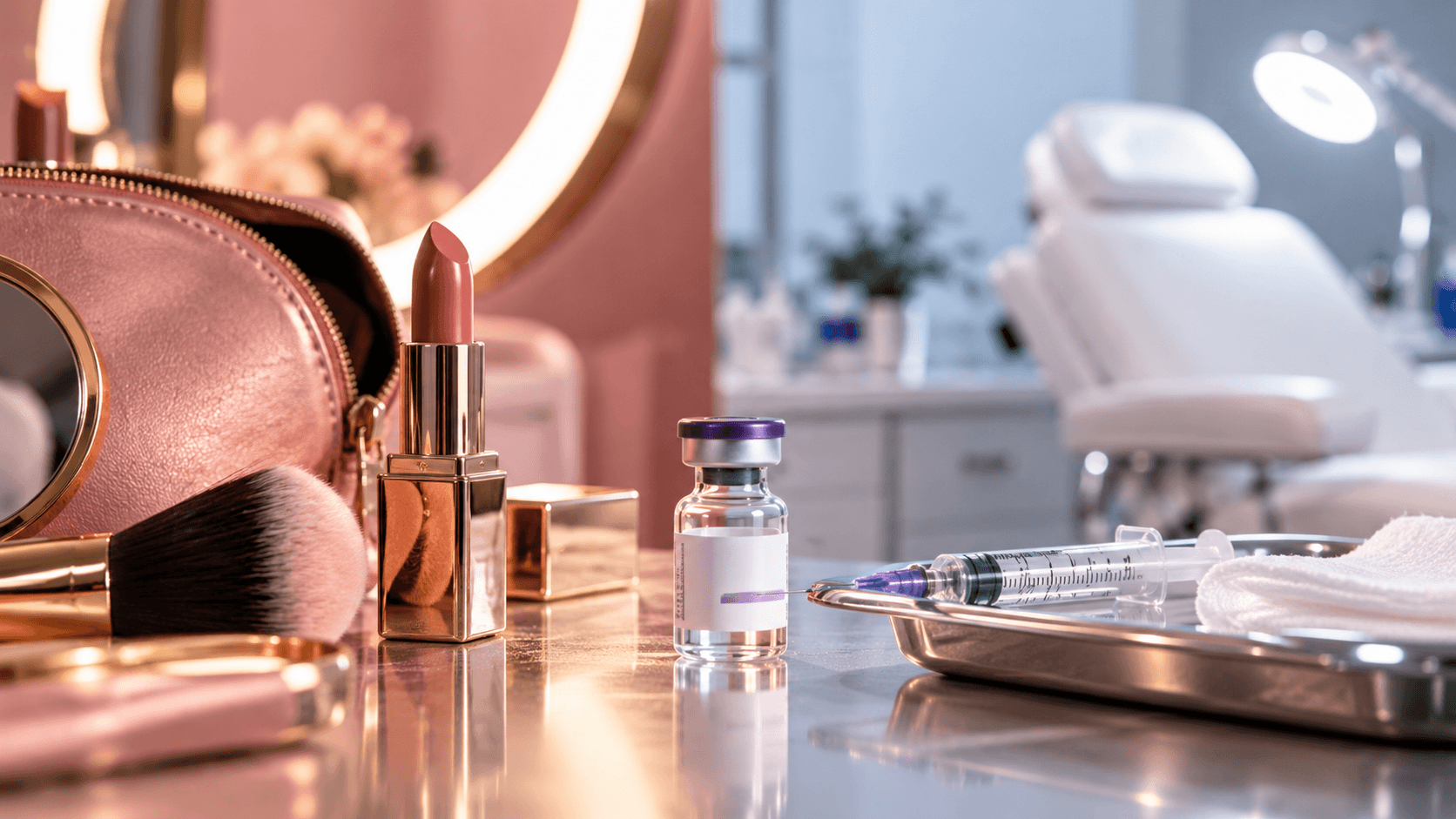
A lipstick belongs in a makeup bag. A prescription injectable belongs in a medical setting. Yet in the world of aesthetic pharma marketing, the line between beauty products and prescription treatments is becoming increasingly blurred. That tension is now at the center of FDA scrutiny involving Evolus and its wrinkle treatment, Jeuveau.
In September 2026, the U.S. Food and Drug Administration challenged an Instagram promotion that appeared to position Jeuveau alongside everyday beauty products. The case raises an important question for pharmaceutical marketers: How far can a prescription brand embrace beauty culture before its message becomes misleading?
Table of Contents
- Why the FDA Challenged Evolus Over Jeuveau Advertising
- When Beauty Marketing Makes Medicine Look Like Makeup
- The Compliance Risks of Influencer-Style Drug Advertising
- How Aesthetic Drug Brands Can Market Responsibly
- Conclusion
- Frequently Asked Questions
Why the FDA Challenged Evolus Over Jeuveau Advertising
On September 28, 2026, the FDA’s Office of Prescription Drug Promotion issued an untitled letter to Evolus concerning an Instagram advertisement for Jeuveau (prabotulinumtoxinA-xvfs).
Jeuveau is a prescription botulinum toxin product approved to temporarily improve the appearance of moderate to severe frown lines between the eyebrows in adults.
However, the FDA determined that the promotional content created misleading impressions about the treatment’s effectiveness, speed, and safety.
The advertisement featured a patient discussing her experience with Jeuveau. Before-and-after imagery suggested rapid improvement, while accompanying language emphasized how quickly the treatment worked.
According to the FDA’s September 2026 untitled letter, the promotion also suggested that the boundaries between a beauty bag and a treatment room were becoming less distinct.
This comparison became a central regulatory concern.
Unlike lipstick or skincare products, Jeuveau requires professional administration and carries a boxed warning concerning the possible spread of toxin effects beyond the injection site.
Furthermore, the FDA questioned claims suggesting that frown lines could disappear completely or that meaningful results were established within two days.
The agency also found that important safety information appeared too late in the promotional video and lacked prominence compared with benefit claims.
Consequently, the issue extended beyond individual words or images. The overall advertising experience could lead consumers to misunderstand the treatment’s medical nature.
For pharmaceutical marketers working in the aesthetics industry, the case shows how lifestyle-driven advertising can raise regulatory concerns, even when safety information is included.
When Beauty Marketing Makes Medicine Look Like Makeup
Beauty advertising has traditionally emphasized confidence, convenience, personal expression, and visible transformation.
Prescription aesthetic treatments naturally appeal to audiences interested in those same benefits. Therefore, borrowing familiar beauty marketing techniques can seem like an effective strategy.
However, consumer expectations change when prescription medicines begin resembling ordinary cosmetics.
A lipstick advertisement may promise a new look with minimal explanation. In contrast, prescription drug promotion must accurately communicate benefits while giving appropriate attention to potential risks.
The distinction matters because visual presentation shapes how audiences interpret a product before they read detailed information.
Bright colors, stylish packaging, beauty influencers, and casual language can make medical treatments appear approachable. Nevertheless, these elements can also suggest that treatment decisions are as simple as choosing a skincare product.
The Evolus case illustrates this challenge particularly well.
By connecting Jeuveau with beauty subscription culture and familiar cosmetic routines, the promotion risked minimizing the importance of medical evaluation and professional administration.
Consumers may remember the lifestyle message more strongly than a disclosure presented near the end.
This does not mean prescription aesthetic brands must abandon creativity. Instead, their creative approach must reinforce an accurate understanding of the treatment.
Effective marketing for prescription aesthetic treatments should make these products approachable without downplaying their medical risks.
The Compliance Risks of Influencer-Style Drug Advertising
Social media has changed how pharmaceutical companies communicate with consumers.
Rather than relying entirely on traditional advertisements, brands increasingly use personal stories, short videos, creators, and relatable experiences.
These formats can encourage engagement because audiences often respond positively to authentic-looking content.
However, authenticity does not eliminate regulatory responsibilities.
When Patient Testimonials Become Promotional Claims
Patient testimonials can communicate experiences in ways that clinical descriptions cannot. Yet individual experiences must not create misleading expectations about typical treatment outcomes.
In the Jeuveau promotion, the FDA challenged language implying complete wrinkle removal and unusually rapid results.
The agency emphasized that the evidence supporting the product’s approved effectiveness did not establish those broader promotional impressions.
Furthermore, testimonials can become especially persuasive when paired with before-and-after footage.
For marketers, this creates a practical challenge. A patient’s genuine experience may still communicate an unsupported claim when presented as part of a branded advertisement.
Therefore, promotional teams must assess the full message rather than reviewing isolated statements.
As discussed in Pharma Marketing Network’s article on social media advertising and pharmaceutical compliance, effective digital engagement requires clear attention to regulatory obligations.
Why Safety Information Placement Matters
Another important concern involves the timing and visibility of risk disclosures.
The FDA noted that the Jeuveau advertisement placed important safety information after the main patient testimonial and apparent closing sequence.
Although the caption contained additional information, viewers needed to scroll to access it.
Consequently, audiences could encounter appealing benefit claims without giving comparable attention to potential harms.
This is particularly important on Instagram, where users often watch videos quickly or leave before reaching the end.
For example, a visually engaging treatment story may capture attention within seconds, while late disclosures receive significantly less exposure.
Therefore, marketers of prescription aesthetic treatments must consider how people actually experience an advertisement, not just whether the required safety information appears somewhere in it.
How Aesthetic Drug Brands Can Market Responsibly
The Jeuveau controversy offers broader lessons for prescription aesthetic brands competing in an increasingly lifestyle-driven marketplace.
First, marketers should distinguish cosmetic appeal from medical decision-making. A treatment can be presented as relevant to personal appearance without being described like an everyday beauty purchase.
Second, benefit claims should reflect the product’s approved labeling and supporting clinical evidence. Words suggesting guaranteed, complete, or unusually fast results deserve particular scrutiny.
Third, important risk information should receive meaningful attention within the promotional experience. Small text, rapid scrolling, or disclosures after an apparent ending may not adequately communicate safety information.
Additionally, brands should review how imagery, music, captions, testimonials, and creator language work together.
A campaign may contain technically accurate statements while still creating a misleading overall impression.
For this reason, regulatory, medical, legal, and marketing teams should evaluate campaigns as audiences will encounter them on actual platforms.
Pharmaceutical companies can also benefit from clear influencer guidelines, documented approvals, and ongoing monitoring.
As explored in Pharma Marketing Network’s article on pharmaceutical video design and FDA compliance risks, marketers must pay attention to how visual storytelling affects the communication of drug benefits and safety information.
Ultimately, successful marketing in medical aesthetics requires more than generating attention. It depends on building confidence through accurate, balanced, and useful communication.
Conclusion
The FDA’s action involving Evolus and Jeuveau highlights a growing challenge in pharmaceutical advertising.
As prescription aesthetics become more closely connected with beauty culture, marketers must carefully manage the impressions their campaigns create.
Beauty-inspired visuals and relatable stories can support audience engagement. However, they should never obscure a product’s prescription status, limitations, or serious risks.
The most effective campaigns will balance the appeal of beauty advertising with scientific accuracy, clear safety information, and regulatory responsibility.
After all, making medical treatments appealing should never mean making them appear as simple as applying lipstick.
Frequently Asked Questions
1. What is aesthetic pharma marketing?
It involves promoting prescription treatments and medical products used to improve physical appearance. It includes digital advertising, patient education, professional engagement, and brand communication.
2. Why did the FDA challenge Evolus over Jeuveau advertising?
The FDA found that an Instagram promotion created misleading impressions about Jeuveau’s effectiveness, speed of results, and risks. It also questioned comparisons between the prescription injectable and everyday cosmetics.
3. Can pharmaceutical brands use beauty influencers?
Yes. However, influencer promotions for prescription drugs must comply with applicable advertising requirements. Claims should be accurate, risks appropriately communicated, and material relationships clearly disclosed.
4. Why are prescription injectables different from cosmetics?
Prescription injectables require appropriate medical assessment and professional administration. They may also carry serious risks that differ from those associated with ordinary cosmetic products.
5. How can aesthetic pharmaceutical brands improve marketing compliance?
Brands can strengthen compliance through evidence-based claims, balanced safety communication, careful creative review, influencer oversight, and collaboration between marketing and regulatory teams.
This content is not medical advice. For any health issues, always consult a healthcare professional. In an emergency, call 911 or your local emergency services.