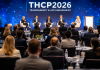
One tense question from an FDA panel member can erase months of carefully managed messaging. A hesitant executive response can trigger investor panic before the meeting even ends. Meanwhile, healthcare professionals, journalists, patient advocates, and analysts watch every moment unfold online in real time.
FDA Advisory Committee meetings have become far more than regulatory checkpoints. They now function as highly visible public events that can shape market perception, physician confidence, and corporate reputation almost instantly. What was once viewed as a scientific review process now resembles a live credibility test for pharmaceutical brands.
That shift has forced companies to rethink how they prepare for these high-stakes meetings. A successful FDA advisory committee communication strategy now requires more than strong clinical data. It demands coordinated messaging, media preparation, executive alignment, and scientific storytelling that resonates far beyond regulators alone.
Organizations that recognize this evolution can strengthen trust during moments of intense scrutiny. Those that fail to adapt risk losing control of the narrative when public attention is at its highest.
Table of Contents
- Why FDA Advisory Committees Have Become Brand Events
- The Rise of the AdComm Brand Strategy
- Building a Cross-Functional Communication Plan
- Managing Public Sentiment During Scientific Scrutiny
- Conclusion
- FAQs
Why FDA Advisory Committees Have Become Brand Events
FDA Advisory Committee meetings once operated largely behind the scenes. However, expanded digital access and nonstop media coverage have transformed these events into public-facing spectacles. Most meetings are livestreamed, dissected across financial media, and discussed instantly on social platforms.
As a result, pharmaceutical marketers can no longer treat these meetings as isolated regulatory milestones. Instead, they represent defining public moments for both a therapy and the company behind it. Investors search for signs of approval momentum. Physicians evaluate scientific credibility. Journalists look for controversy. Patients often seek reassurance and hope.
This visibility creates both risk and opportunity. A well-prepared company can reinforce transparency and position itself as scientifically credible. On the other hand, a poorly managed appearance may spark confusion, skepticism, or reputational damage that lasts long after the vote concludes.
Because of this shift, organizations are investing heavily in integrated communication planning. Teams across regulatory affairs, medical affairs, investor relations, and brand marketing increasingly collaborate months before the committee convenes. The objective is no longer limited to regulatory success. It now includes narrative control.
For companies seeking broader healthcare communication support, resources like Healthcare.pro can help strengthen professional outreach and digital visibility strategies within regulated industries.
The Rise of the AdComm Brand Strategy
The concept of the “AdComm Brand Strategy” has emerged as a direct response to the growing visibility surrounding FDA advisory committee meetings. Instead of viewing the process as purely scientific, leading pharmaceutical companies now approach these events as public trust campaigns backed by rigorous data.
A modern pharmaceutical advisory committee approach focuses on three critical areas: scientific clarity, emotional confidence, and media resilience.
Scientific clarity matters because Advisory Committee discussions often involve highly technical language that external audiences struggle to interpret. Regulators may understand complex statistical endpoints, but investors and journalists frequently do not. Therefore, companies must simplify key findings without compromising scientific integrity.
Emotional confidence has also become increasingly important. Patients and healthcare professionals want reassurance that the company understands unmet needs, safety concerns, and real-world impact. When executives and medical experts communicate with transparency and empathy, trust tends to rise.
Meanwhile, media resilience is now essential. Real-time commentary on social media can rapidly amplify criticism, misunderstandings, or incomplete interpretations of the data. Companies that proactively prepare messaging frameworks, executive talking points, and digital monitoring systems are far better positioned to manage volatility.
Importantly, pharmaceutical marketing teams are no longer passive observers in this process. They now play an active role in shaping the broader public narrative surrounding these meetings. According to trends discussed on eHealthcare Solutions, healthcare organizations increasingly rely on integrated digital communication strategies to preserve credibility during highly visible public events.
Building a Cross-Functional Communication Plan
An effective AdComm preparation strategy requires close coordination across multiple departments. Regulatory teams may lead the scientific presentation, but communication success depends on cross-functional collaboration.
Preparation often begins six to nine months before the meeting date. During this period, companies identify potential criticism areas, likely panel questions, and media-sensitive topics. This proactive approach allows communication teams to develop response scenarios long before the public discussion begins.
One of the most important steps involves translating scientific findings into accessible language. Dense clinical terminology may satisfy regulators, but external audiences need clarity. Companies that explain risk-benefit profiles in straightforward terms often maintain stronger public confidence during moments of scrutiny.
Spokesperson preparation is equally critical. Executives, physicians, and investor relations teams must communicate consistently under pressure. Even minor inconsistencies can fuel negative headlines or create investor uncertainty.
Social listening also plays a major role. Because conversations unfold live online, brands must monitor sentiment continuously throughout the meeting. Rapid-response communication teams can quickly address misinformation before it spreads more widely.
Internal communication matters as well. Employees frequently become informal brand ambassadors during high-profile events. Therefore, organizations should ensure internal stakeholders understand key messages, anticipated outcomes, and communication protocols before the meeting starts.
Companies that invest in strategic FDA meeting preparation often recover more effectively from difficult panel discussions. Even when concerns emerge, transparent communication can preserve long-term credibility with investors, healthcare professionals, and patients.
Managing Public Sentiment During Scientific Scrutiny
Public scrutiny during Advisory Committee meetings extends far beyond the FDA panel itself. Financial analysts, patient advocacy groups, physicians, healthcare influencers, and journalists all contribute to the broader conversation. Consequently, perception management has become a core component of pharmaceutical communications.
Timing plays a major role here. Companies must prepare messaging before the meeting begins rather than reacting afterward. Delayed communication often creates information gaps that critics quickly fill.
Media training should also include difficult scenario simulations. Executives may face emotionally charged questions related to safety concerns, trial diversity, pricing expectations, or adverse events. Responses must remain factual while still conveying empathy and accountability.
Transparency has become especially valuable in healthcare communications. Audiences generally respond more positively when companies openly acknowledge uncertainty while explaining how they plan to address unresolved issues.
Visual communication matters as well. Clear presentation slides, concise summaries, and accessible scientific storytelling can strongly influence how external audiences interpret outcomes. In many cases, perception depends less on raw data and more on how effectively the information is communicated.
Post-meeting engagement is equally important. Companies should quickly distribute summaries, clarify outcomes, and reinforce next steps through coordinated digital channels.
As public attention surrounding FDA decisions continues to grow, organizations that master communication strategy will gain a measurable competitive advantage. Regulatory engagement is no longer confined to private rooms and technical discussions. It is public, searchable, shareable, and deeply connected to brand reputation.
Conclusion
FDA Advisory Committee meetings have evolved into highly visible brand moments that shape public trust alongside regulatory outcomes. In this environment, pharmaceutical companies must view scientific scrutiny as both a compliance challenge and a communication opportunity.
A strong FDA advisory communications strategy combines scientific precision with transparent storytelling, proactive media engagement, and coordinated stakeholder communication. Organizations that prepare early and communicate clearly are far better positioned to maintain confidence among regulators, investors, healthcare professionals, and patients alike.
As visibility surrounding regulatory decisions continues to expand, pharmaceutical companies can no longer rely on reactive communication models. Success increasingly depends on owning the narrative before the public conversation begins.
FAQs
What is a pharma advisory committee strategy?
An FDA advisory committee communications plan is designed to manage public perception, scientific messaging, and stakeholder confidence during high-profile regulatory meetings.
Why are FDA Advisory Committee meetings important for pharmaceutical brands?
These meetings can significantly influence investor sentiment, physician confidence, media coverage, and public trust. Because they are livestreamed and widely discussed, they now function as major public-facing brand events.
How can pharmaceutical companies prepare for public scientific scrutiny?
Companies can prepare by aligning regulatory, marketing, and medical affairs teams early, simplifying scientific communication, training spokespeople, and monitoring public sentiment throughout the meeting.
What role does marketing play during Advisory Committee meetings?
Marketing teams help shape external narratives, support digital communication efforts, prepare stakeholder messaging, and reinforce brand credibility before, during, and after the meeting.
How does social media affect FDA Advisory Committee outcomes?
Social media amplifies real-time reactions and commentary surrounding committee discussions. Effective monitoring and rapid-response communication strategies help companies address misinformation and maintain trust.
This content is not medical advice. For any health issues, always consult a healthcare professional. In an emergency, call 911 or your local emergency services.