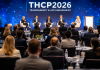
For many pharmaceutical companies, medical congresses remain large line items on annual budgets. Teams invest heavily in booths, symposia, travel, and promotional materials, yet the value often fades as soon as attendees return home. However, the industry’s most successful organizations view congresses differently. They see them as powerful influence platforms that shape scientific discussions, strengthen stakeholder relationships, and build long-term market leadership.
A well-designed medical congress strategy for pharmaceutical brands extends far beyond the few days of a scientific meeting. Instead, it transforms each congress into a year-round engine for scientific visibility, engagement, and thought leadership. As healthcare professionals increasingly rely on peer-driven education and scientific exchange, congresses have become one of the most trusted environments for influencing clinical conversations.
Table of Contents
- Why Congresses Matter More Than Ever
- The Shift from Event Participation to Strategic Influence
- Turning Medical Congresses Into a Year-Round Influence Engine
- Measuring Long-Term Impact and Category Leadership
- Conclusion
- FAQs
Why Congresses Matter More Than Ever
Medical congresses occupy a unique position within healthcare communications. Unlike promotional campaigns, congresses provide an environment where scientific evidence, clinical experience, and expert opinions converge. As a result, healthcare professionals often place significant trust in the information presented during these events.
Major international meetings such as ASCO, ESMO, AHA, ESC, and ADA frequently shape treatment discussions months before new findings appear in clinical guidelines or routine practice. Consequently, organizations that establish a strong scientific presence during these events gain an early advantage in influencing market perception.
Moreover, healthcare professionals increasingly seek educational experiences that offer direct access to experts and emerging research. Congresses fulfill this need by facilitating meaningful interactions among clinicians, researchers, payers, and industry leaders. Therefore, brands that approach these events strategically can position themselves at the center of important clinical conversations.
Many companies still focus primarily on logistical execution. They measure success through booth traffic, attendance figures, or the number of business cards collected. While these metrics have value, they rarely capture the broader influence generated through scientific engagement and relationship building.
The true opportunity lies in creating sustained momentum before, during, and after the event.
The Shift from Event Participation to Strategic Influence
The most effective congress engagement strategies begin long before the opening session. Leading organizations recognize that congresses are not isolated events. Instead, they are milestones within a broader scientific communication framework.
Pre-congress planning should focus on identifying priority stakeholders, key scientific themes, and desired influence outcomes. Medical affairs, commercial teams, and communications professionals must work together to align objectives. This integrated approach ensures that congress activities support broader business and scientific goals.
For example, brands can build anticipation by sharing educational content, expert interviews, and scientific insights in advance of the meeting. Digital channels create opportunities to engage healthcare professionals before they even arrive at the venue.
During the congress, the focus should shift toward meaningful engagement rather than simple visibility. Interactive scientific discussions, investigator meetings, advisory boards, and peer-to-peer education often generate greater long-term value than traditional promotional tactics.
Furthermore, companies should capture insights in real time. Conversations with key opinion leaders, emerging research trends, and stakeholder feedback provide valuable intelligence that can shape future strategies.
Organizations seeking to strengthen healthcare engagement efforts often benefit from integrated digital and scientific communication approaches, similar to those explored throughout Pharma Marketing Network. These approaches help ensure that congress investments support broader stakeholder engagement goals.
Turning Medical Congresses Into a Year-Round Influence Engine
A successful congress engagement strategy does not end when the exhibition hall closes. In fact, the post-congress period often presents the greatest opportunity for sustained influence.
Following the event, organizations should rapidly transform congress insights into educational assets. Scientific summaries, expert commentary, webinars, podcasts, and digital content can extend the reach of key findings to broader healthcare audiences.
Additionally, medical affairs teams can use congress learnings to strengthen ongoing scientific exchange with healthcare professionals. This approach ensures that important discussions continue long after the event concludes.
Content repurposing plays a critical role in maximizing return on investment. Rather than allowing presentations and data highlights to disappear after the meeting, organizations can create multiple touchpoints that reinforce scientific leadership throughout the year.
Digital engagement is equally important. Healthcare professionals increasingly consume information through online channels. Therefore, congress content should be integrated into omnichannel communication strategies that support continuous learning and engagement.
Companies can also leverage congress insights to refine future messaging. Emerging clinical trends often reveal shifts in stakeholder priorities. By analyzing these signals, organizations can adjust educational initiatives and communication plans more effectively.
When healthcare professionals require additional information or support, directing them to trusted resources such as Healthcare.pro can further strengthen educational engagement and patient-centered communication efforts.
Measuring Long-Term Impact and Category Leadership
Traditional congress metrics often fail to reflect the true value of scientific engagement. Attendance numbers and booth visits provide useful operational data, yet they rarely demonstrate influence.
A more sophisticated measurement framework evaluates both short-term and long-term outcomes. Scientific share of voice, stakeholder engagement quality, content utilization, and thought leadership visibility provide deeper insights into performance.
Organizations should also assess how congress participation contributes to broader objectives. These may include increased awareness of scientific data, stronger key opinion leader relationships, improved educational reach, or enhanced category leadership.
Another valuable indicator is the persistence of scientific conversations after the congress ends. Are healthcare professionals continuing to engage with content? Are key messages appearing in professional discussions? Are stakeholders referencing data months later?
Advanced analytics can help answer these questions. As a result, organizations can better measure the long-term impact of their medical congress investments.
Perhaps most importantly, successful organizations view congresses as investments in scientific credibility rather than isolated marketing events. This mindset encourages sustained engagement and creates opportunities to shape clinical narratives over time.
Conclusion
Medical congresses are no longer simply annual events on a pharmaceutical calendar. They have become critical platforms for scientific influence, stakeholder engagement, and thought leadership. Organizations that approach congresses as strategic assets rather than standalone events can unlock significantly greater value from their investments.
A modern pharma medical congress strategy begins before the meeting, accelerates during scientific exchange, and continues throughout the year. By extending engagement beyond the congress floor, pharmaceutical companies can strengthen visibility, build trusted relationships, and establish lasting category leadership.
FAQs
What is an effective medical congress strategy for pharmaceutical companies?
An effective medical congress strategy uses scientific meetings to drive stakeholder engagement, strengthen scientific visibility, and create lasting influence beyond the event itself.
Why are medical congresses important for pharmaceutical companies?
Medical congresses provide trusted environments for sharing research, engaging healthcare professionals, and influencing clinical discussions through scientific exchange.
How can companies maximize congress return on investment?
Organizations can maximize ROI by extending congress content through digital channels, repurposing scientific insights, and maintaining stakeholder engagement throughout the year.
What metrics should be used to measure congress success?
Beyond attendance and booth traffic, companies should evaluate scientific share of voice, stakeholder engagement quality, content performance, and thought leadership impact.
How does a year-round approach improve congress outcomes?
A year-round strategy ensures that scientific conversations continue after the event, creating sustained visibility, stronger relationships, and greater influence within therapeutic categories.
Disclaimer: This content is not medical advice. For any health issues, always consult a healthcare professional. In an emergency, call 911 or your local emergency services.