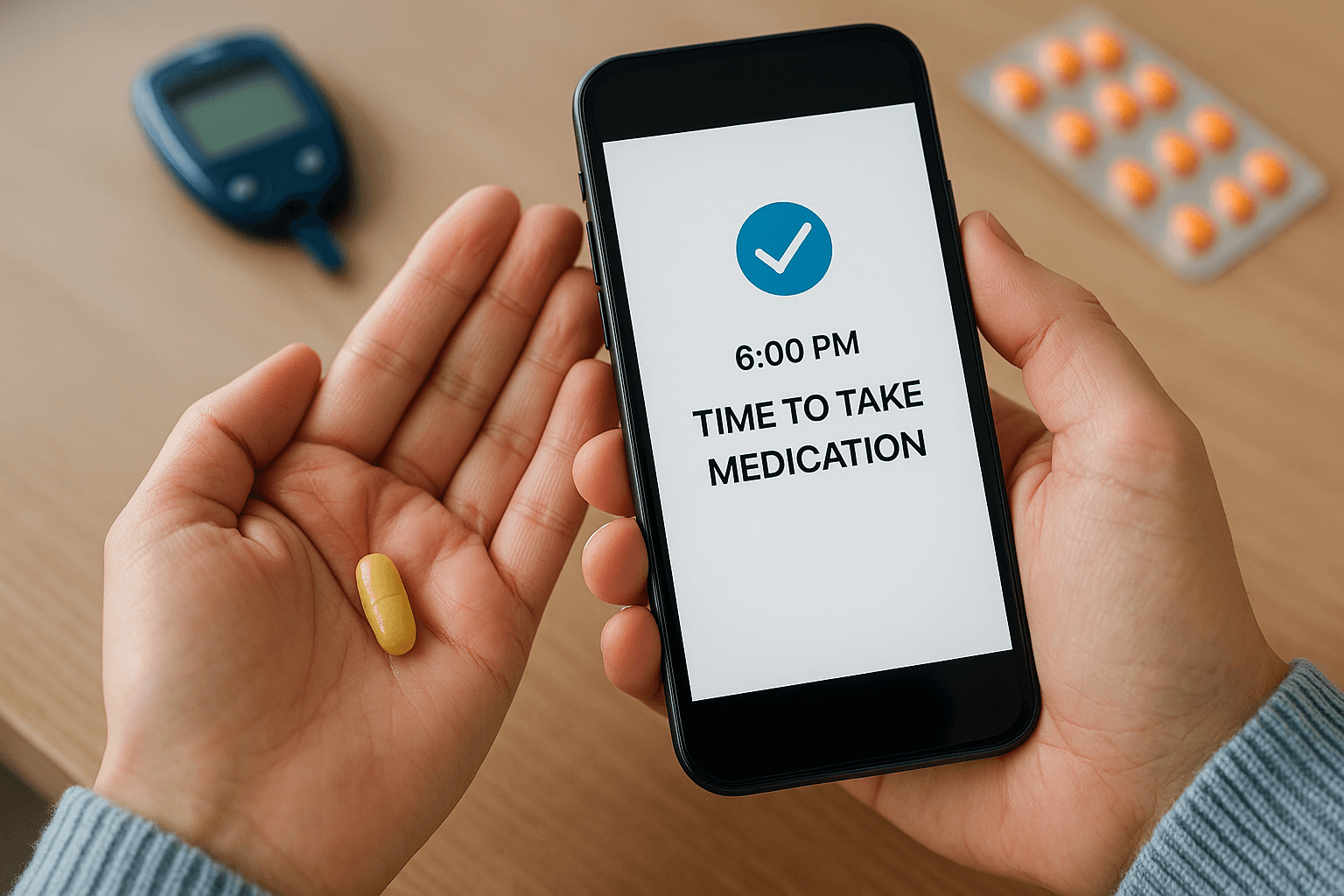
Every day, patients managing chronic conditions make hundreds of micro-decisions: whether to take a pill, check their glucose, refill a prescription, or choose a healthier snack. For marketers and healthcare communicators, these small but critical moments present opportunities. In fact, real-time personalization in chronic care campaigns can influence those decisions and guide patients toward better adherence, deeper engagement, and improved health outcomes. By meeting individuals at the right moment — with the right message — pharma can turn passive audiences into active health partners.
Table of Contents
- Understanding Micro-Moments in Chronic Care
- Why Real-Time Personalization Works for Reacting Behaviors
- How Pharma Can Implement Personalization Campaigns
- Measuring Success: Adherence, Engagement, Outcomes
- Conclusion
- Frequently Asked Questions
Understanding Micro-Moments in Chronic Care
Patients managing chronic illnesses don’t experience treatment as isolated events. Instead, care includes tiny, continuous decisions. For instance, someone with hypertension might pause before dinner to ask: “Should I take my dose now or wait until after eating?” Another patient with asthma may reconsider medication if symptoms are mild in the moment. These are micro‑moments — brief junctures when people reflect, decide, or hesitate about their health choices.
Because these moments are so frequent and emotionally charged, they matter more than we often realize. Every decision becomes a reinforcement point for behavior. Consequently, campaigns that deliver generic, one-off messages tend to fall flat. They miss the fluid, real-world context in which patients operate. By contrast, strategies that engage during those micro‑moments can steer actions when people are most receptive.
Why Real-Time Personalization Works for Changing Behavior
Harnessing real-time personalization taps into behavioral science and context awareness. People respond better when content feels timely, relevant, and tailored. For example, if a diabetic patient receives a reminder to check their blood sugar when their smartphone detects a stride after lunch, the prompt aligns with their routine — and nudges them gently but clearly toward a healthy action.
Moreover, real-time personalization builds trust. When a patient sees that a brand or healthcare provider “gets” their individual journey — understands their schedule, past behaviors, and triggers — they’re more likely to engage. In essence, personalization transforms campaigns from broadcasted ads into helpful companions.
Also, real-time personalization supports habit formation. Small prompts aligned to everyday moments can encourage consistency. Over time, repeated actions become habits. As a result, long-term adherence improves.
Finally, personalization offers value beyond the recipient. For pharma brands and payers, increased adherence leads to better outcomes. That, in turn, can reduce overall healthcare costs and improve patient quality of life. These combined benefits make real-time personalization a powerful tool in chronic care marketing.
How Pharma Can Implement Personalization Campaigns
First, pharma marketers must gather relevant but privacy‑compliant data. This can include anonymized prescription records, refill history, and optionally, opt-in mobile app behavioral data. Aggregated data helps identify common pain points and typical micro‑moments: missed refills, irregular dosing, or inconsistent monitoring.
Then, campaigns must deliver messages at the right time through the right channel. Channels might include mobile push notifications, SMS, in-app reminders, email touchpoints, or even context-aware ads. For instance, a reminder could fire when a refill is due or when a patient is near a pharmacy.
At this stage, content matters. Messages should be short, empathetic, and actionable. For example: “It’s time for your evening dose. Stay on track for better heart health.” Or: “Running low on meds? Tap here to reorder now.” These prompts can feel supportive rather than intrusive.
Moreover, integration with broader digital marketing strategy helps. By linking personalization campaigns with educational content, value-based messaging, and community-building efforts, pharma brands can offer holistic support.
Of course, privacy and consent must remain front and center. Patients should opt in willingly, with transparent explanations of how their data will be used. When handled properly, personalization can enhance care — but when done poorly, it can erode trust.
Measuring Success: Adherence, Engagement, Outcomes
To justify investments in real-time personalization, pharma marketers need clear metrics. Start with adherence: are refill rates improving? Are patients dosing regularly? Data from pharmacies, digital trackers, or patient self-reporting can help answer these questions.
Next, evaluate engagement. Are patients opening reminders, clicking links, or interacting with digital content? High engagement rates often signal that messages are resonating. Conversely, low engagement may indicate message fatigue, poor timing, or irrelevant content.
Most importantly, analyze clinical outcomes where possible. Are patients reporting better symptom control, fewer hospital visits, or improved quality-of-life scores? While outcomes may take time to emerge, tracking them over months provides evidence of real impact.
Finally, don’t overlook feedback loops. Surveys, app-based check-ins, or patient interviews reveal user sentiment. These insights help refine personalization logic — improving message timing, tone, content, and delivery channels.
Conclusion
Real-time personalization in chronic care offers a promising shift from one-size-fits-all marketing to empathy-driven, context-aware outreach. By addressing patients at their many micro-moments — when decisions are made, hesitations occur, or routines emerge — pharma marketers can support better adherence, deeper engagement, and improved health journeys. However, success depends on data privacy, thoughtful messaging, and careful measurement. Done right, personalization doesn’t just sell a product — it supports a healthier life.
Frequently Asked Questions
What is a micro‑moment in chronic care marketing?
A micro-moment refers to a brief, often spontaneous decision point in a patient’s day — like whether to take a dose, refill a prescription, or check symptoms. In marketing, these are moments when targeted messages have the greatest potential to influence behavior.
How does real-time personalization differ from traditional marketing?
Traditional marketing sends broad messages to all patients, regardless of when or where they are. Real-time personalization tailors messages based on patient behavior, history, and context — delivering content when it’s most relevant for that individual.
Is personalization ethical in healthcare marketing?
Yes — when done with transparency, clear consent, and strong data protection. Patients must opt in voluntarily, know how their data will be used, and have control over the process.
Which channels work best for delivering real-time messages?
Mobile push notifications, SMS reminders, in-app messages, email alerts, or context-aware ads near relevant physical locations often work well. The best channel depends on the patient’s preferences and behavior patterns.
How long before results from personalized campaigns appear?
For engagement and adherence metrics, you may begin to see changes within 1–3 months. For clinical outcomes or behavioral change, meaningful results may take 6–12 months depending on the condition and consistency of messaging.
This content is not medical advice. For any health issues, always consult a healthcare professional. In an emergency, call 911 or your local emergency services.