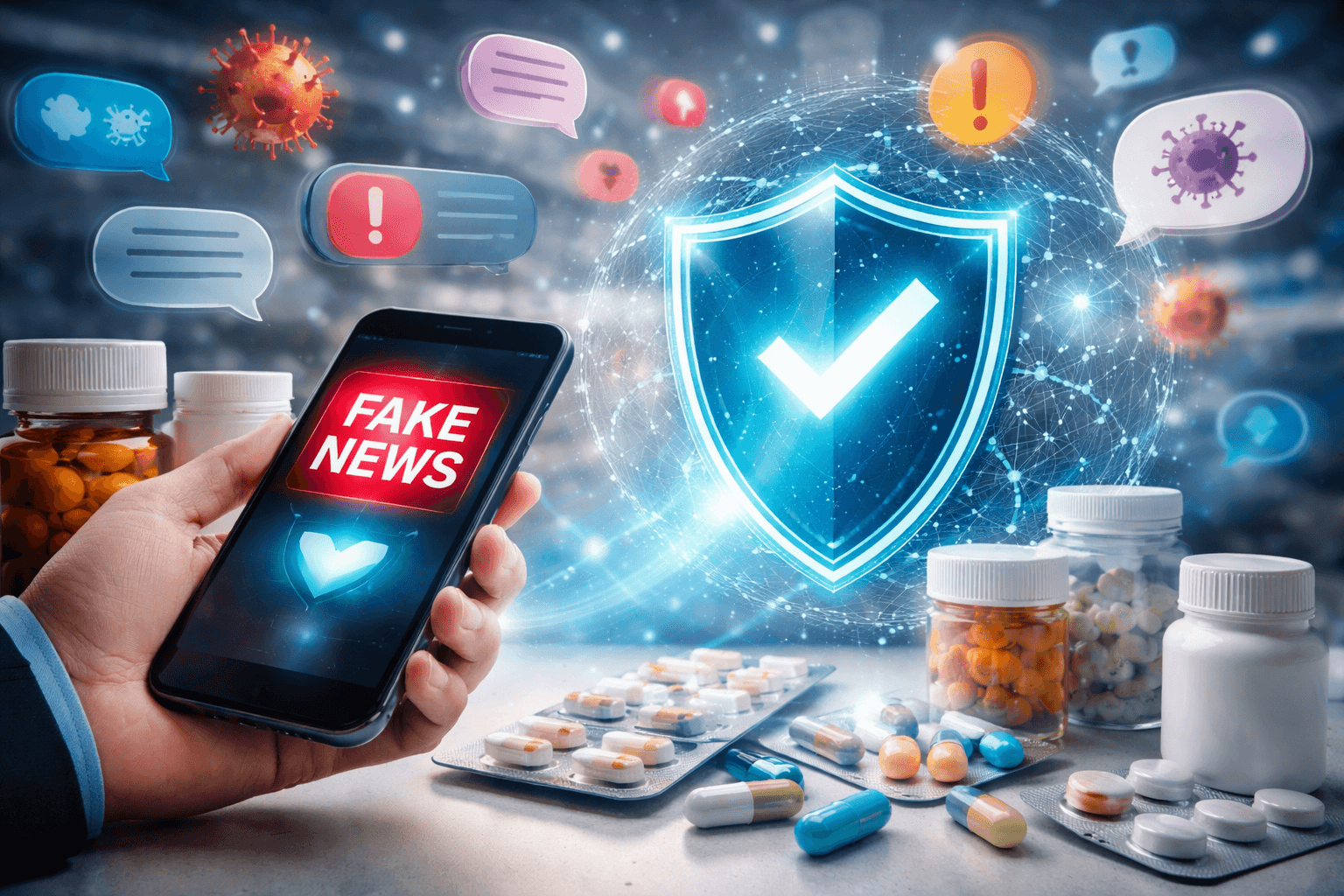
Today, even the most science-backed pharma brands are just one meme or tweet away from a reputational firestorm. Whether it’s a conspiracy theory, a viral TikTok, or a misinterpreted study making the rounds, misinformation spreads faster than ever. That’s why having a robust pharma misinformation strategy is no longer a nice-to-have—it’s a must. This article explores how pharma marketers can prepare for these flare-ups through active monitoring, playbook planning, credible influencer partnerships, and escalation protocols.
Table of Contents
- Why Pharma Is a Target in the Misinformation Age
- Core Elements of a Pharma Misinformation Strategy
- Monitoring, Early Detection, and Rapid Response
- Building a Response Playbook That Works
- Partnering with Influencers for Credible Amplification
- Escalation Plans: When to Pull the Trigger
- Conclusion
- Frequently Asked Questions
Why Pharma Is a Target in the Misinformation Age
The pharmaceutical industry lives at the crossroads of science, regulation, and public emotion. That intersection makes it a frequent target for false narratives. In an era where content goes viral in minutes, pharma companies must anticipate how quickly misinformation can spiral—and how difficult it is to correct once entrenched. Having a proactive pharma misinformation strategy helps mitigate the damage before it becomes unmanageable.
Core Elements of a Pharma Misinformation Strategy
A comprehensive strategy should rest on four key components:
- Continuous monitoring across social and digital platforms
- A documented and agile crisis response playbook
- Strategic alliances with trusted, science-forward influencers
- Clear escalation procedures tied to audience impact
Each of these works together to detect, assess, and respond to risks before they erode trust or credibility.
Monitoring, Early Detection, and Rapid Response
Start by investing in digital listening tools to track sentiment, identify false narratives, and monitor mentions in real-time. Human analysts should complement automated systems to add critical context. When something suspicious is spotted, speed is key. Timely, platform-appropriate responses grounded in empathy and science can help reduce the virality of misinformation.
For example, a sudden spike in negative commentary on Reddit or misinformation on TikTok might trigger your monitoring system. From there, an informed response—backed by medical affairs and legal—can address concerns early, before misinformation spreads further. For guidance, see WHO’s misinformation toolkit.
Building a Response Playbook That Works
A response playbook provides structure in times of chaos. It should outline:
- Clear thresholds for triggering responses
- Pre-assigned roles and responsibilities
- Pre-approved messaging frameworks
- Guidelines for internal and external communications
By rehearsing scenarios in advance, your team can act quickly and consistently—while maintaining regulatory compliance and tone consistency across channels.
Partnering with Influencers for Credible Amplification
Influencers in the healthcare space—whether physicians, pharmacists, researchers, or patient advocates—can help correct misinformation quickly and credibly. Their content resonates with engaged audiences and brings authenticity that brands sometimes struggle to achieve on their own.
Start by nurturing relationships with trustworthy voices before a crisis hits. These partners can step in when needed to help deliver science-backed facts, counter viral myths, and rebuild public trust. Make sure all partnerships are disclosed and aligned with your brand values and compliance standards.
Escalation Plans: When to Pull the Trigger
Not every post demands a press release. But some issues—especially those threatening public health or brand safety—require escalation. Your plan should define:
- Severity levels and response thresholds
- Key decision-makers for urgent action
- Guidelines for activating leadership or external spokespeople
- Protocols for regulatory and legal coordination
With escalation guidelines in place, you can avoid both underreacting and overreacting, preserving brand integrity and public trust.
Conclusion
A pharma misinformation strategy is your brand’s insurance policy in today’s viral age. With the right tools, training, and partnerships in place, your team can stay resilient under pressure. You won’t stop every falsehood, but you can outpace the noise with clarity, credibility, and confidence.
Frequently Asked Questions
What is a pharma misinformation strategy?
It’s a proactive framework for identifying, responding to, and mitigating false or misleading information about pharma brands, products, or science.
Why are pharma companies especially vulnerable to misinformation?
Pharma operates in a space filled with scientific complexity, regulatory scrutiny, and emotional decision-making—an ideal storm for misinformation to thrive.
What tools help with misinformation monitoring?
Social listening platforms, media monitoring tools, and AI-powered sentiment analyzers help track and interpret digital conversations in real time.
How do influencers help with misinformation response?
They bring credibility and human connection, helping share accurate content that resonates with diverse, often skeptical, audiences.
When should an issue be escalated?
Escalation is necessary when misinformation threatens public health, gains mainstream media traction, or begins affecting consumer behavior significantly.
This content is not medical advice. For any health issues, always consult a healthcare professional. In an emergency, call 911 or your local emergency services.