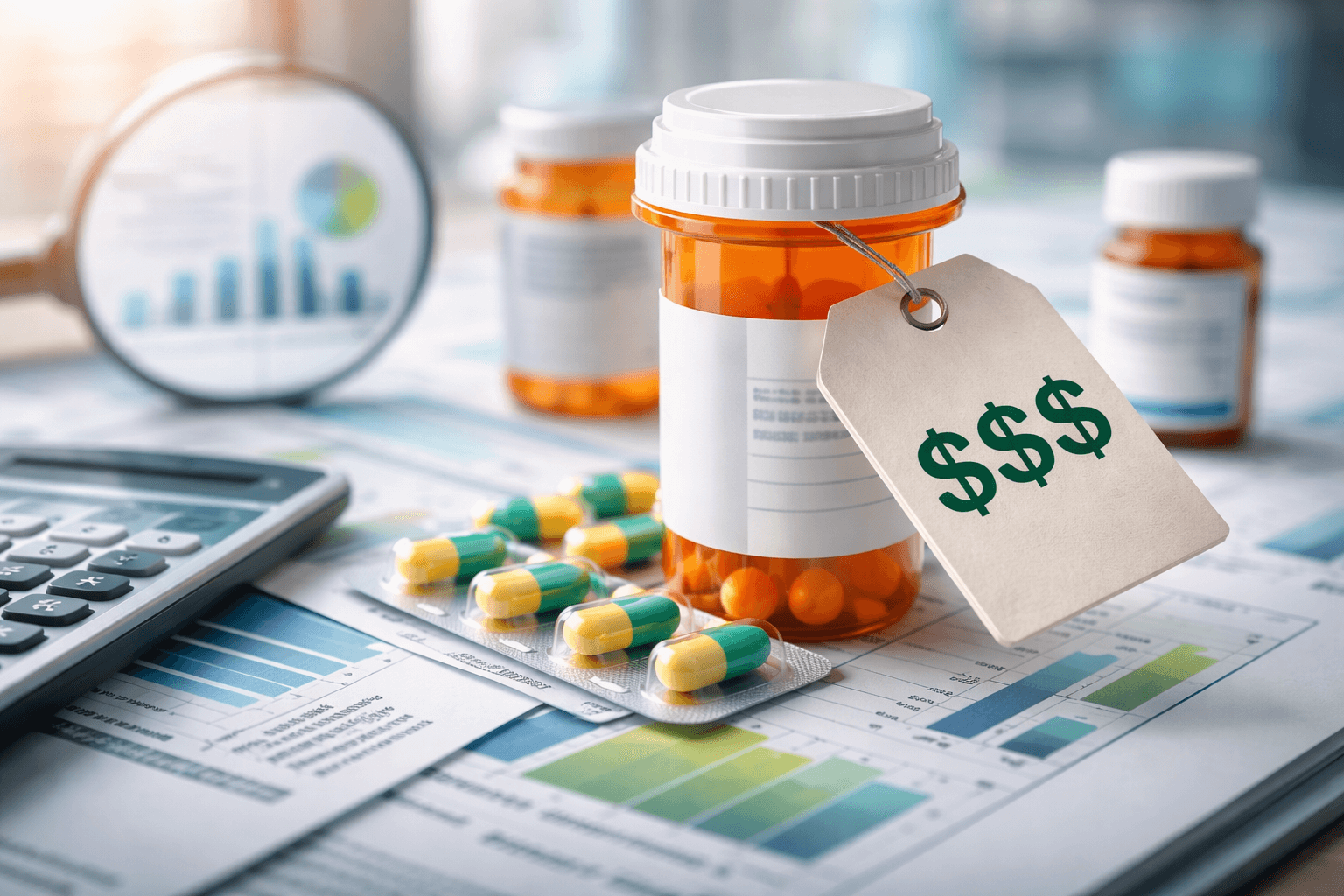
As public scrutiny and policy shifts continue to focus on pharmaceutical pricing, the list price of a drug often fails to reflect what patients, payers, and healthcare systems truly pay. This article explores how marketers can reframe the narrative through access messaging, discount transparency, and outcome-based framing—while maintaining compliance and avoiding public backlash.
Table of Contents
- Understanding the Realities of Drug Pricing Communication
- Balancing Transparency and Compliance in Pharma Messaging
- Framing Value Through Access, Outcomes, and Trust
- The Future of Ethical Drug Pricing Communication
- Conclusion
- FAQs
Understanding the Realities of Drug Pricing Communication
In today’s healthcare landscape, drug pricing communication has become one of the most sensitive yet crucial areas of pharmaceutical marketing. While the public often zeroes in on a medicine’s list price, that figure rarely paints the full picture. Rebates, discounts, and negotiated rates shape what patients and insurers actually pay, making the topic more nuanced than it first appears.
Effective communication about pricing requires transparency, empathy, and education. Marketers can highlight value-based pricing models that connect a drug’s cost to measurable patient outcomes. By emphasizing overall healthcare savings, such as reduced hospitalizations or improved long-term health, brands can shift the conversation from cost to value.
To succeed, pharmaceutical companies must ensure alignment between marketing, medical, and compliance teams. A unified message builds trust and prevents confusion—especially when addressing pricing complexities across various audiences.
Balancing Transparency and Compliance in Pharma Messaging
Transparency in drug pricing communication does not mean disclosing every contractual term. Instead, it means explaining the “why” behind pricing decisions in a way that is informative yet compliant. Companies should focus on communicating fairness, research investment, and accessibility rather than raw numbers that might mislead or breach confidentiality.
By discussing factors like R&D costs, patient support programs, and manufacturing expenses, marketers can humanize pricing while remaining compliant. The goal is to help patients and policymakers understand that pricing reflects a balance between innovation, access, and sustainability.
Clear, consistent messaging across patient education, payer communication, and healthcare provider materials reinforces credibility. For more insights into responsible messaging, visit Healthcare.pro for guidance on ethical communication strategies.
Framing Value Through Access, Outcomes, and Trust
Pharma brands can move beyond pricing debates by emphasizing real-world impact. Shifting from “price” to “value” reframes the entire conversation. Marketers can demonstrate this by showing how a therapy reduces hospital readmissions, enhances quality of life, or enables patients to return to daily activities.
Additionally, spotlighting access initiatives—such as copay assistance, patient support lines, or affordability programs—helps audiences see that companies are actively working to make medicines attainable. These initiatives convey social responsibility and strengthen relationships with both patients and healthcare professionals.
Consistent storytelling across digital and professional platforms reinforces this trust. For example, collaborating with established healthcare marketing partners like eHealthcare Solutions can amplify reach and authenticity in value-driven campaigns.
The Future of Ethical Drug Pricing Communication
The future of drug pricing communication will rely on proactive transparency and data-driven insights. As digital tools and AI analytics enhance visibility into healthcare costs, patients and providers will demand clearer explanations about how prices are determined and justified.
Pharma marketers who anticipate these expectations will be better positioned to build trust and regulatory goodwill. By focusing on educational engagement rather than reactive defense, companies can transform pricing communication into a long-term reputation asset.
Ultimately, pricing should not be treated as a compliance checkbox but as part of a brand’s purpose—demonstrating fairness, access, and value in every interaction. Ethical communication not only informs but also inspires confidence in the system as a whole.
Conclusion
Drug pricing communication is more than just a marketing challenge—it’s an ethical responsibility. When brands communicate value, transparency, and patient benefit clearly, they help shape a more informed, balanced dialogue around pharmaceutical pricing. By focusing on outcomes and access, marketers can transform skepticism into trust and understanding.
FAQs
What is drug pricing communication?
Drug pricing communication refers to how pharmaceutical companies explain and contextualize the cost of their medicines to patients, payers, and the public.
Why is transparency in drug pricing important?
Transparency helps reduce misinformation, builds trust, and demonstrates the real-world value of treatments beyond their list price.
How can pharma marketers stay compliant while being transparent?
They can focus on general principles, patient benefits, and approved messaging guidelines to ensure both clarity and regulatory safety.
What strategies improve trust in pricing communication?
Using value-based messaging, patient outcome data, and consistent storytelling across multiple platforms builds credibility and engagement.
How does digital communication support drug pricing transparency?
Digital tools allow interactive education and provide real-time, accurate explanations about pricing decisions for both patients and providers.
This content is not medical advice. For any health issues, always consult a healthcare professional. In an emergency, call 911 or your local emergency services.