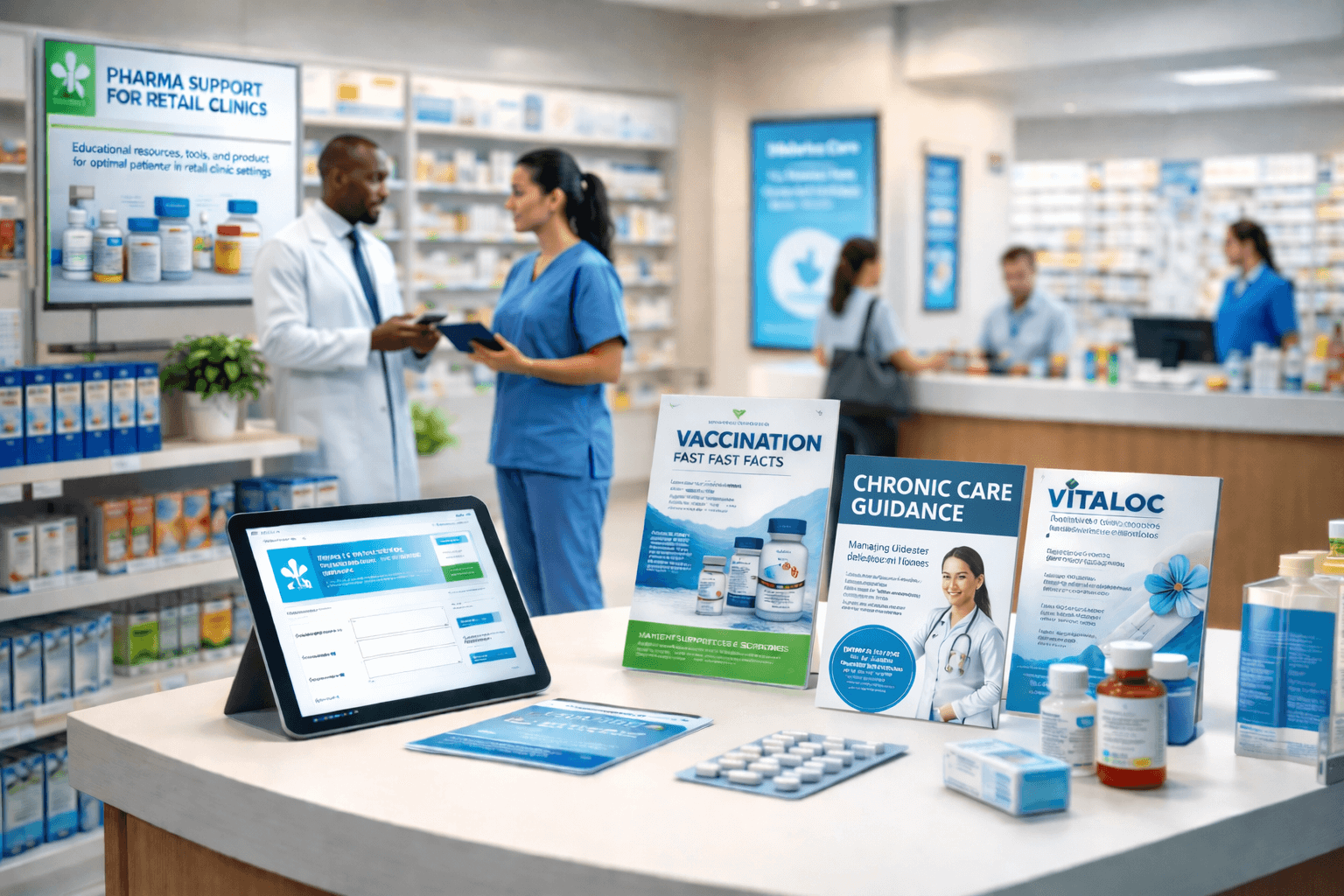
What happens when your local pharmacy becomes your first stop for a flu shot, diabetes check, or even a chronic care consultation? For millions of Americans, that’s already the case. Retail clinics are transforming everyday health access—but pharma marketing hasn’t caught up. While these settings are packed with potential, most strategies still treat them like traditional pharmacies rather than active clinical environments. It’s time for that to change. Here’s how pharmaceutical marketers can get ahead of the curve and connect with retail healthcare providers in ways that truly matter.
Table of Contents
- Why Retail Clinics Matter to Pharma
- Understanding the Shift in Care Delivery
- Smart Strategies for Reaching Providers in Retail Clinic Settings
- Tools and Tactics for Effective Engagement
- Measuring Success in Retail Clinic Marketing
- Frequently Asked Questions
- Conclusion and Next Steps
Why Retail Clinics Matter to Pharma
Retail clinics have surged in popularity due to their convenience, affordability, and ability to serve patients without requiring a long wait or a doctor’s appointment. They now deliver services like immunizations, diagnostic testing, and chronic disease monitoring—functions traditionally handled in primary care settings.
This shift means that clinical decisions are being made in places where pharma brands historically focused only on dispensing. As a result, pharmaceutical companies have a major opportunity to reimagine how their products are positioned and supported in these hybrid care environments. By engaging at the clinical level—not just the retail counter—brands can influence prescribing habits, improve patient outcomes, and build trust with frontline providers.
Understanding the Shift in Care Delivery
Retail clinic environments are fast-paced, efficiency-driven, and often staffed by nurse practitioners or physician assistants rather than physicians. These providers operate with limited time and incomplete patient histories, so access to concise, clinically relevant information is critical.
Unlike traditional practices, retail clinics prioritize convenience and quick service. This demands marketing strategies that deliver relevant product information in seconds—not minutes. Pharma teams that understand this dynamic and develop tools that align with these needs are far more likely to succeed in engaging these busy professionals.
Smart Strategies for Reaching Providers in Retail Clinic Settings
Effective pharmaceutical marketing in retail care environments starts with segmentation. Identify which clinic networks align with your therapeutic areas and which patient populations they serve. From there, consider these four foundational strategies:
Educate at the Point of Care
Retail providers need fast access to dosing information, safety profiles, and patient eligibility criteria. Digital tools such as mobile guides, EHR pop-ups, and QR codes that link to current guidelines can help influence care decisions during the visit.
Enable Workflow Integration
Marketing materials should support existing clinic operations. That might include printable patient resources, automated refill reminders, or integration into the clinic’s task list to support adherence programs or wellness campaigns.
Leverage Data and Insights
Retail clinic chains collect rich patient and utilization data. Partnering with these networks to understand prescribing patterns or treatment gaps enables more targeted messaging, better ROI, and continuous optimization.
Support Staff Education
Retail clinic providers often juggle multiple roles and receive less direct training than physicians. Providing quick, practical training—whether through video modules, webinars, or even laminated in-clinic tip cards—helps ensure safe, appropriate use of your therapies.
Tools and Tactics for Effective Engagement
Pharma marketers need a mix of in-person and digital tools to make an impact in this unique care setting:
- Mobile Portals & Apps: On-the-go access to patient support programs and clinical guides increases relevance.
- Virtual Detailing: Quick, remote conversations can provide clinical updates without disrupting workflow.
- AI-Enhanced Recommendations: Smart alerts or tailored prompts can assist in real-time treatment decisions.
- In-Clinic Signage: Strategically placed displays can reinforce key services and therapies available on-site.
- Co-Branded Care Pathways: Work with clinic partners to align on shared outcomes and support chronic disease care.
Measuring Success in Retail Clinic Marketing
When launching campaigns focused on pharmaceutical engagement in retail clinics, it’s important to track both process and outcome metrics:
- Engagement: Monitor usage of portals, training materials, or decision aids by retail HCPs.
- Patient Impact: Look for improvements in vaccination rates, medication adherence, or chronic care check-ins.
- Brand Lift: Analyze shifts in prescriptions or product mentions post-engagement.
- Program ROI: Compare investment in retail clinic strategies to measurable brand performance improvements.
Conclusion and Next Steps
The growing influence of retail health clinics presents a powerful opportunity for pharmaceutical brands to rethink how they connect with care providers in these locations. By aligning with clinic workflows, offering valuable education, and supporting decision-making in real time, pharma marketers can become indispensable partners in delivering frontline care.
Frequently Asked Questions
What is retail clinic marketing in the pharmaceutical industry?
It’s the process of engaging retail-based healthcare providers to educate, inform, and encourage the use of therapies at the point of care within pharmacy clinics.
How are retail clinics different from traditional practices?
They operate with smaller clinical teams, serve walk-in patients, and focus on convenience—making them faster-paced and more consumer-driven than traditional medical offices.
What kinds of tools work best for engaging retail providers?
Digital platforms, clinical decision support tools, mobile training apps, and brief, accessible content are ideal for these settings.
Can pharma companies access clinic data for better targeting?
Yes, many retail chains offer de-identified analytics partnerships to help refine campaign targeting and assess health outcomes.
Is this channel relevant for chronic conditions?
Absolutely. Retail clinics increasingly handle hypertension, diabetes, and other chronic disease management, creating critical touchpoints for long-term care plans.
This content is not medical advice. For any health issues, always consult a healthcare professional. In an emergency, call 911 or your local emergency services.