As climate change reshapes disease patterns around the world, climate-triggered disease awareness has become an increasingly important focus for pharmaceutical marketers and healthcare organizations. Diseases once limited to specific regions are expanding into new territories, creating unfamiliar risks for healthcare professionals, patients, and public health agencies. As temperatures rise and environmental conditions shift, illnesses such as Dengue fever, Lyme disease, West Nile virus, and emerging fungal infections are appearing in areas that historically had little exposure to them.
For pharmaceutical marketers, this change creates both a challenge and an opportunity. Effective disease awareness campaigns tied to climate-driven health risks now require a deeper understanding of environmental trends, predictive analytics, and regional healthcare dynamics. Instead of reacting after outbreaks occur, forward-looking brands are educating healthcare providers and communities in emerging risk zones before disease transmission peaks.
Table of Contents
- Climate Change and Shifting Disease Patterns
- Why Climate-Driven Disease Education Matters
- Predictive Analytics and Geo-Targeted Marketing
- The Future of Disease-State Education
- Conclusion
- FAQ
Climate Change and Shifting Disease Patterns
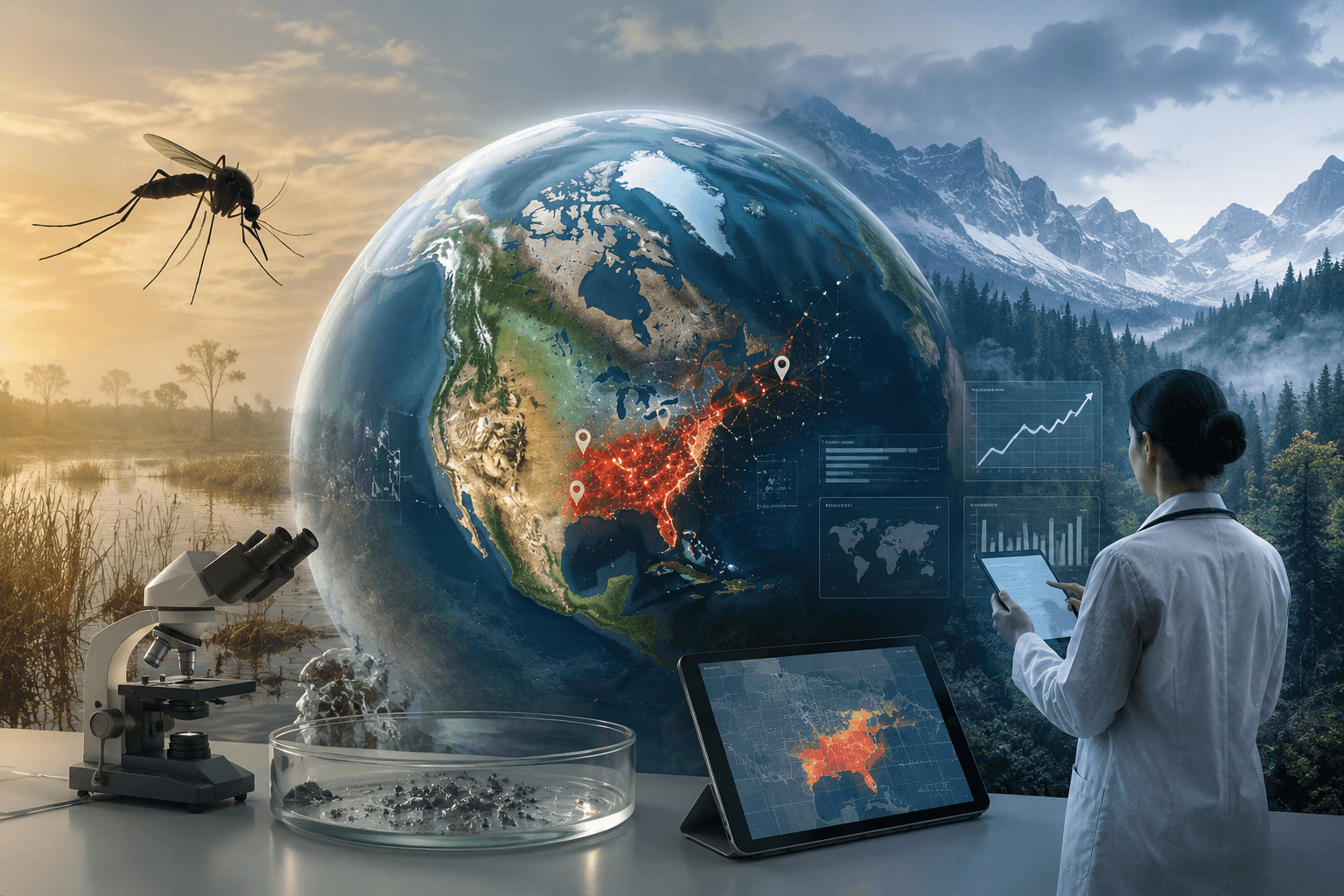
Climate change is influencing the spread of disease vectors across the globe. Mosquitoes, ticks, and other carriers are moving into regions that were previously too cold or environmentally unsuitable for sustained populations. Consequently, diseases traditionally associated with tropical or southern climates are increasingly appearing farther north.
Dengue fever provides a clear example. Cases have emerged in areas that previously experienced minimal risk, while Lyme disease continues to expand into new regions across North America and Europe. Similarly, West Nile virus activity has been reported in locations where healthcare providers may have limited experience diagnosing or treating affected patients.
Emerging fungal infections present another concern. Changes in temperature and humidity can create favorable conditions for pathogens that were once geographically restricted. As a result, clinicians in newly affected regions may encounter unfamiliar symptoms and diagnostic challenges.
These developments highlight the growing importance of disease awareness initiatives focused on climate-related health threats. Healthcare professionals cannot effectively diagnose conditions they rarely encounter. Therefore, educational outreach becomes a critical part of disease preparedness.
Why Climate-Driven Disease Education Matters
Disease-state education has long been a core part of pharmaceutical marketing. However, climate-driven disease migration adds a new layer of complexity. Marketers must identify not only who needs education, but also where future healthcare knowledge gaps are likely to appear.
Historically, educational campaigns focused on established endemic regions. Today, brands must anticipate future hotspots. This requires continuous monitoring of environmental, epidemiological, and healthcare data to identify populations that may soon face elevated risk.
Healthcare providers in emerging disease zones often lack familiarity with symptoms, diagnostic pathways, and treatment options. Consequently, delayed diagnoses and misdiagnoses can become serious concerns. Early educational interventions help reduce these risks while supporting better patient outcomes.
Patients also need timely information. Individuals living in newly affected areas may not recognize disease symptoms or understand prevention strategies. Therefore, consumer-focused awareness campaigns play an increasingly important role in public health preparedness.
Trusted public health resources, including the CDC’s climate and health guidance, can strengthen educational messaging and improve credibility. In addition, pharma marketers can use credible medical content to help bridge awareness gaps before seasonal outbreaks accelerate.
Predictive Analytics and Geo-Targeted Marketing
The rise of advanced analytics is transforming how pharmaceutical companies approach emerging disease education and preparedness. Instead of relying only on historical case data, marketers can use predictive models that incorporate weather patterns, vector surveillance, environmental indicators, and population health trends.
Predictive analytics allows brands to identify emerging risk zones before outbreaks intensify. Consequently, educational resources can be deployed proactively rather than reactively. This shift is especially important when healthcare providers are seeing unfamiliar conditions for the first time.
Geo-targeted marketing has become particularly valuable in this environment. Digital advertising platforms allow marketers to deliver relevant content to healthcare professionals within specific geographic regions. Educational materials can then be customized based on local disease risks, healthcare infrastructure, and provider specialties.
Search marketing strategies are also evolving. Healthcare professionals often rely on online search when encountering unfamiliar symptoms or conditions. Therefore, optimizing content around emerging infectious diseases, vector-borne disease awareness, and climate-related disease risks helps ensure educational resources are discoverable at the point of need.
Many pharmaceutical organizations are also incorporating healthcare intelligence platforms that aggregate environmental, clinical, and market data. These systems support more accurate audience segmentation and smarter media investment. For companies seeking digital healthcare marketing insights, Pharma-Mkting.com offers perspectives on evolving engagement strategies across the industry.
Furthermore, omnichannel campaigns allow brands to coordinate messaging across professional media, programmatic advertising, email outreach, webinars, and clinical education platforms. This integrated approach reinforces awareness while improving campaign performance.
The Future of Disease-State Education
The future of pharmaceutical marketing will increasingly intersect with environmental intelligence. As disease patterns continue to evolve, marketers must develop strategies that adapt to rapidly changing healthcare realities.
Artificial intelligence is expected to play a larger role in identifying emerging threats and optimizing campaign deployment. Machine learning models can analyze large datasets to uncover patterns that may signal increased disease risk. As a result, educational initiatives can become more targeted, timely, and useful.
Collaboration between pharmaceutical companies, public health agencies, healthcare systems, and environmental researchers will also become more important. Shared data and coordinated communication efforts can improve awareness while strengthening community preparedness.
Regulatory considerations will continue to shape disease-state education strategies as well. Brands must ensure that educational content remains scientifically accurate, balanced, and compliant while addressing emerging healthcare concerns.
Awareness of climate-related disease expansion is no longer a niche public health topic. It is becoming an essential part of modern healthcare communication. Organizations that successfully integrate environmental intelligence into their marketing strategies will be better positioned to support healthcare providers, educate patients, and contribute to better health outcomes in a changing world.
Conclusion
Climate change is redefining the geographic boundaries of infectious diseases, creating new challenges for healthcare systems and pharmaceutical marketers alike. As conditions such as Dengue fever, Lyme disease, West Nile virus, and emerging fungal infections spread into unfamiliar regions, education becomes a critical tool for preparedness.
By using predictive analytics, geo-targeted outreach, healthcare intelligence, and search optimization, pharmaceutical brands can deliver timely information where it is needed most. Ultimately, educating healthcare professionals and patients about climate-driven disease risks represents a new frontier in healthcare marketing that combines scientific insight with proactive engagement.
FAQ
What is climate-triggered disease awareness?
Climate-triggered disease awareness refers to education that helps healthcare professionals and patients understand diseases whose spread is influenced by climate and environmental changes.
Which diseases are most affected by climate change?
Examples include Dengue fever, Lyme disease, West Nile virus, malaria, and certain emerging fungal infections that may expand as environmental conditions change.
How can pharmaceutical marketers prepare for emerging disease zones?
Marketers can use predictive analytics, environmental data, healthcare intelligence, and geo-targeted campaigns to identify and educate at-risk regions before outbreaks peak.
Why is geo-targeted marketing important for disease-state education?
Geo-targeting helps brands deliver relevant educational content to healthcare providers and patients in regions where disease risks are rising.
How does predictive analytics support climate-related disease education?
Predictive analytics helps identify emerging disease patterns by analyzing environmental, epidemiological, and healthcare data, allowing earlier and more effective outreach.
This content is not medical advice. For any health issues, always consult a healthcare professional. In an emergency, call 911 or your local emergency services.