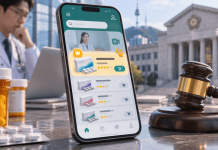
A patient starts a GLP-1 medication online, reports side effects, and returns for follow-up care. Each interaction creates information about what treatment looks like in everyday life. Ro now wants to turn those experiences into research. With the launch of its Research Lab, telehealth evidence partnerships are moving into the spotlight. But can a company that delivers patient care also produce research the pharmaceutical industry can trust? The answer depends on study quality, data governance, and keeping patient interests ahead of commercial goals.
Table of Contents
- From Virtual Care to Pharmaceutical Research Partnerships
- What Makes Research Based on Telehealth Data Credible?
- Patient Privacy and Clinical Independence Come First
- What Pharma Teams Should Do Next
From Virtual Care to Pharmaceutical Research Partnerships
On November 6, 2026, Ro announced its Research Lab, an initiative designed to combine clinical care, pharmacy information, laboratory results, and patient-reported outcomes. According to Ro, artificial intelligence will help identify patterns in patient experiences, while scientific review will test whether those findings hold up.
The idea goes beyond measuring whether a medication works. Researchers could examine why patients discontinue treatment, how side effects influence adherence, and where insurance restrictions create barriers to care. For obesity treatment, those questions matter because access, affordability, and ongoing support can shape a patient’s experience long after receiving a prescription.
Importantly, Ro’s research relationships with pharmaceutical manufacturers began before the lab announcement. In January 2026, Ro and Amgen announced a collaboration to study obesity treatment access, insurance coverage, and prior authorization challenges using de-identified patient data.
Then, in September 2026, Ro and Novo announced a research collaboration involving real-world outcomes among patients switching from injectable GLP-1 medications to the Wegovy pill.
Ro’s collaborations with drugmakers could help answer important questions that traditional clinical trials often leave unanswered. However, turning routine patient experiences into meaningful evidence requires more than access to large amounts of data.
What Makes Research Based on Telehealth Data Credible?
Telehealth platforms have an advantage when studying patient journeys. They can capture treatment decisions, refill activity, reported symptoms, and follow-up outcomes within connected systems. As a result, researchers may gain a clearer picture of what happens between clinical visits.
However, convenient access to information does not automatically make a study reliable. Patients using online healthcare services may differ from those receiving treatment in traditional clinics. Some may stop responding to follow-up requests, while others may report outcomes inconsistently. These differences can influence research findings.
Strong studies need clear eligibility criteria, defined outcomes, and transparent methods for handling missing information. Researchers should also establish their questions and analysis plans before examining the results. Otherwise, unexpected patterns may be presented as stronger evidence than they deserve.
The FDA’s real-world evidence framework emphasizes the importance of suitable data and sound research methods. An observed relationship does not necessarily prove that one factor caused another.
For example, Ro’s initial Wegovy pill analysis examined patients who switched from injectable GLP-1 medications and remained on the pill for three months. Those findings may offer useful insights, but they should not automatically be generalized to everyone beginning treatment.
Ro says its Research Lab will identify early findings as preliminary and pursue peer review for findings that withstand further examination. Still, pharmaceutical partners should expect transparent study protocols, limitations, funding disclosures, and independent scientific scrutiny.
As our earlier discussion of real-world evidence in pharmaceutical marketing illustrates, credible evidence matters because it provides a foundation for informed healthcare decisions and responsible communication.
Patient Privacy and Clinical Independence Come First
When telehealth platforms connect clinical records, laboratory findings, prescriptions, and patient reports, they gain access to highly sensitive information. Consequently, research collaborations involving patient data need clear privacy safeguards, not just promises of protection.
Those safeguards should define which information researchers can access, how it can be shared, how long it will be retained, and who is responsible for oversight. They should also address the possibility that combining different datasets could increase privacy risks.
Under HHS guidance on HIPAA and research, certain uses of identifiable health information require patient authorization or another legally permitted basis. Properly de-identified information follows different requirements. However, organizations must still consider applicable privacy protections and responsible data handling.
Patients should understand how their information may contribute to research and whether participation could affect their care. Furthermore, authorization for a research activity should not be treated as permission to use sensitive health information for pharmaceutical promotion.
Clinical independence matters just as much as privacy. Physicians and other healthcare professionals must remain free to recommend treatment based on individual patient needs. Pharmaceutical sponsors should not influence prescribing decisions, pressure patients to participate in research, or determine which findings deserve publication.
Research agreements should establish clear boundaries between care delivery, scientific analysis, and commercial activities. They should also protect researchers’ ability to publish unfavorable or unexpected results.
Without these safeguards, an otherwise promising research partnership could weaken the trust that makes patient-generated information valuable.
What Pharma Teams Should Do Next
For pharmaceutical research and medical affairs teams, the first step is identifying a meaningful clinical question. That might involve GLP-1 treatment persistence, insurance barriers, patient-reported side effects, or changes in quality of life.
Next, teams should evaluate whether the available information can answer that question reliably. Data completeness, follow-up duration, patient selection, and study design all matter. Independent scientific oversight and transparent publication policies should also be part of the discussion.
Brand teams have a different responsibility. They can identify evidence gaps and help communicate validated findings, but they should not control clinical decisions or direct research toward predetermined promotional conclusions.
Instead, medical, legal, and regulatory reviewers should determine whether findings support accurate, balanced communications consistent with applicable requirements. Our article on using real-world evidence in pharmaceutical creative briefs explores how credible research can inform brand strategy without sacrificing scientific accuracy.
Above all, the success of telehealth evidence partnerships should depend on the quality of their research findings, not simply the amount of patient data collected. A carefully designed study could help clinicians and researchers better understand treatment challenges that traditional studies may overlook.
By contrast, poorly governed research can create misleading conclusions, regulatory concerns, and unnecessary risks to patient trust.
For pharmaceutical companies, the opportunity is not simply to gain access to another source of healthcare information. It is to support better evidence while respecting the boundaries between medical care, scientific research, and commercial interests.
Conclusion
Ro’s Research Lab signals a potentially important shift in the relationship between virtual healthcare providers and pharmaceutical manufacturers. Its collaborations with Amgen and Novo demonstrate how direct-to-patient platforms can contribute to real-world research.
However, meaningful progress will depend on credible study methods, strong data governance, and clear separation between patient care and industry-sponsored research. For pharma teams, the opportunity is significant, but scientific credibility and patient trust must remain the foundation.
FAQ
How Can Telehealth Providers Support Pharmaceutical Research?
Telehealth providers can contribute real-world information about patient experiences, treatment outcomes, medication use, and barriers to care. Researchers can study these patterns to better understand how treatments perform outside controlled clinical trials.
Does Ro’s Research Lab Replace Traditional Clinical Trials?
No. Observational research can provide valuable context about everyday care, but it does not automatically establish cause and effect. Controlled clinical trials remain essential for answering many questions about treatment safety and effectiveness.
Can Pharmaceutical Companies Access Individual Patient Records?
Access depends on applicable privacy laws, patient permissions, and research agreements. Responsible collaborations should limit information sharing to what is necessary and legally permitted for the research being conducted.
How Should Pharma Marketers Use Findings From Telehealth Research?
Marketing teams should rely on credible, appropriately disclosed findings and ensure that promotional claims undergo medical, legal, and regulatory review. Research results should never be overstated or presented without important limitations.
What Makes a Pharmaceutical Research Partnership Trustworthy?
Trustworthy partnerships require transparent study methods, appropriate privacy protections, independent scientific oversight, and clear boundaries between clinical care and commercial interests. Researchers should also be able to publish results regardless of whether the findings benefit a sponsor.
This content is not medical advice. For any health issues, always consult a healthcare professional. In an emergency, call 911 or your local emergency services.