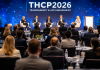
Digital communication has fundamentally changed how pharmaceutical brands are discovered, discussed, and evaluated. A physician in Germany may watch a conference presentation from the United States. Meanwhile, a patient in Canada might read pricing discussions from the United Kingdom before speaking with their healthcare provider. As information moves freely across borders, traditional country-by-country marketing strategies have become increasingly difficult to maintain.
This shift presents both opportunities and challenges. While pharmaceutical companies can reach broader audiences than ever before, they must also protect their global pharma brand equity across markets with different regulations, reimbursement systems, and cultural expectations. A campaign designed for one country can quickly influence perceptions elsewhere, whether intended or not.
Organizations that recognize this new reality are moving beyond isolated national campaigns. Instead, they are building coordinated global strategies that maintain brand consistency while respecting local compliance requirements.
Table of Contents
- The End of Geographic Marketing Boundaries
- How Digital Channels Shape Global Pharmaceutical Brand Equity
- Managing Regulatory Differences Without Losing Brand Consistency
- Building a Future-Proof Cross-Border Marketing Strategy
- Conclusion
- Frequently Asked Questions
The End of Geographic Marketing Boundaries
For decades, pharmaceutical marketing operated within well-defined national boundaries. Regulatory agencies controlled promotional activities, pricing differed significantly between countries, and marketing teams worked largely independently.
However, digital media has transformed this environment. Healthcare professionals routinely participate in international webinars, virtual congresses, and global medical communities. Patients compare treatment experiences through online forums, disease communities, and social platforms regardless of geographic location.
As a result, national campaigns rarely remain local for long.
A promotional message published in one country can quickly be shared internationally. Likewise, pricing discussions from one healthcare system may influence expectations in another. Even media interviews with pharmaceutical executives often receive worldwide attention within hours.
These developments make a strong global pharmaceutical brand more valuable than ever. Instead of managing dozens of disconnected brand identities, organizations must protect a single reputation that travels across every digital channel.
Consistency builds trust. In contrast, conflicting messages create uncertainty that can affect both healthcare professionals and patients.
How Digital Channels Shape Global Pharmaceutical Brand Equity
Digital marketing has become one of the most influential forces behind pharmaceutical brand perception. Company websites, social media, search engines, medical education platforms, and online publications all contribute to how audiences evaluate a pharmaceutical organization.
Unlike traditional advertising, digital content rarely stays within intended geographic markets.
For example, clinical trial announcements often receive worldwide coverage. Product launches are discussed internationally before local approvals occur. Educational videos are frequently viewed outside their target markets. Consequently, every piece of content contributes to a company’s global pharmaceutical brand reputation, whether marketers intend it or not.
Search engines also reinforce this global visibility. Healthcare professionals researching a therapy may encounter articles, press releases, conference presentations, and media interviews from multiple countries during a single search session.
Because of this, pharmaceutical marketers should prioritize consistent messaging, scientific accuracy, and transparent communication.
Companies can strengthen their digital presence by investing in thought leadership, educational resources, and high-quality content that aligns with both corporate values and local regulations. Publications such as Pharma Marketing Network provide valuable insights into evolving pharmaceutical marketing strategies.
Furthermore, organizations seeking to expand digital engagement often benefit from working with experienced healthcare marketing specialists such as eHealthcare Solutions, particularly when managing complex multichannel campaigns.
Managing Regulatory Differences Without Losing Brand Consistency
One of the greatest challenges in cross-border pharmaceutical marketing is balancing consistency with compliance.
Every country has unique advertising regulations. Some permit direct-to-consumer pharmaceutical advertising, while many prohibit it entirely. Promotional language acceptable in one jurisdiction may violate regulations elsewhere.
Despite these differences, the underlying brand promise should remain stable.
Successful organizations establish global brand frameworks that define core messaging, scientific positioning, visual identity, and corporate values. Local teams then adapt tactical execution without changing the brand’s central identity.
This approach reduces regulatory risk while preserving a consistent global brand identity.
Medical, legal, and regulatory review teams also play an increasingly strategic role. Rather than reviewing campaigns in isolation, they collaborate with global marketing teams to ensure content remains accurate across multiple jurisdictions.
Transparency further strengthens credibility. Companies that openly communicate clinical evidence, safety information, and product limitations are generally better positioned to build lasting trust across diverse healthcare systems.
Additional guidance on pharmaceutical promotion and compliance can be found through the International Federation of Pharmaceutical Manufacturers & Associations (IFPMA), which publishes global ethical marketing principles.
Building a Future-Proof Cross-Border Marketing Strategy
Future pharmaceutical marketing strategies must recognize that audiences no longer consume information within national boundaries.
Instead of developing isolated campaigns, organizations should create integrated global content ecosystems supported by localized execution.
Data analytics plays a critical role in this process. Monitoring search behavior, social engagement, medical education participation, and international media coverage helps marketers understand how brand perception evolves across regions.
Artificial intelligence is also changing how pharmaceutical companies monitor reputation. AI-powered listening platforms can identify emerging discussions, misinformation, and cross-border trends before they become significant challenges.
Meanwhile, omnichannel engagement allows companies to deliver coordinated experiences across websites, email, webinars, medical congresses, and professional communities.
Internal collaboration is equally important. Global marketing, regional leadership, compliance teams, medical affairs, and communications professionals should work together throughout campaign planning rather than operating independently.
When organizations align strategy across departments, they strengthen their global pharma brand equity over the long term.
Most importantly, pharmaceutical companies should recognize that trust has become their most valuable asset. Products evolve, regulations change, and digital platforms continue to expand. However, trusted brands consistently outperform competitors because credibility transcends individual campaigns.
Conclusion
National marketing plans are no longer sufficient in today’s interconnected healthcare environment. Digital media has erased many of the boundaries that once separated pharmaceutical markets, allowing healthcare professionals and patients to access global information instantly.
As a result, maintaining a trusted global pharmaceutical brand requires more than localized campaigns. It demands consistent messaging, coordinated governance, regulatory awareness, and a commitment to transparency across every communication channel.
Organizations that successfully balance global consistency with local flexibility will strengthen trust, reduce compliance risks, and position themselves for long-term success in an increasingly borderless pharmaceutical marketplace.
Frequently Asked Questions
What does global pharma brand equity mean?
Global pharma brand equity refers to the overall value, reputation, credibility, and trust a pharmaceutical brand maintains across international markets.
Why are national pharmaceutical marketing plans becoming less effective?
Digital media allows healthcare professionals and patients to access information from multiple countries, making isolated national campaigns increasingly difficult to control.
How can pharmaceutical companies maintain consistent branding globally?
Organizations should establish global brand standards while allowing local teams to adapt campaigns to meet country-specific regulatory requirements.
Why is regulatory alignment important in global pharmaceutical marketing?
Different countries have unique promotional regulations. Coordinated governance helps maintain compliance without weakening brand consistency.
How does digital marketing influence global pharma brand equity?
Digital channels amplify brand visibility worldwide, making every piece of content part of a company’s global reputation and influencing trust across multiple markets.
Disclaimer: This content is not medical advice. For any health issues, always consult a healthcare professional. In an emergency, call 911 or your local emergency services.