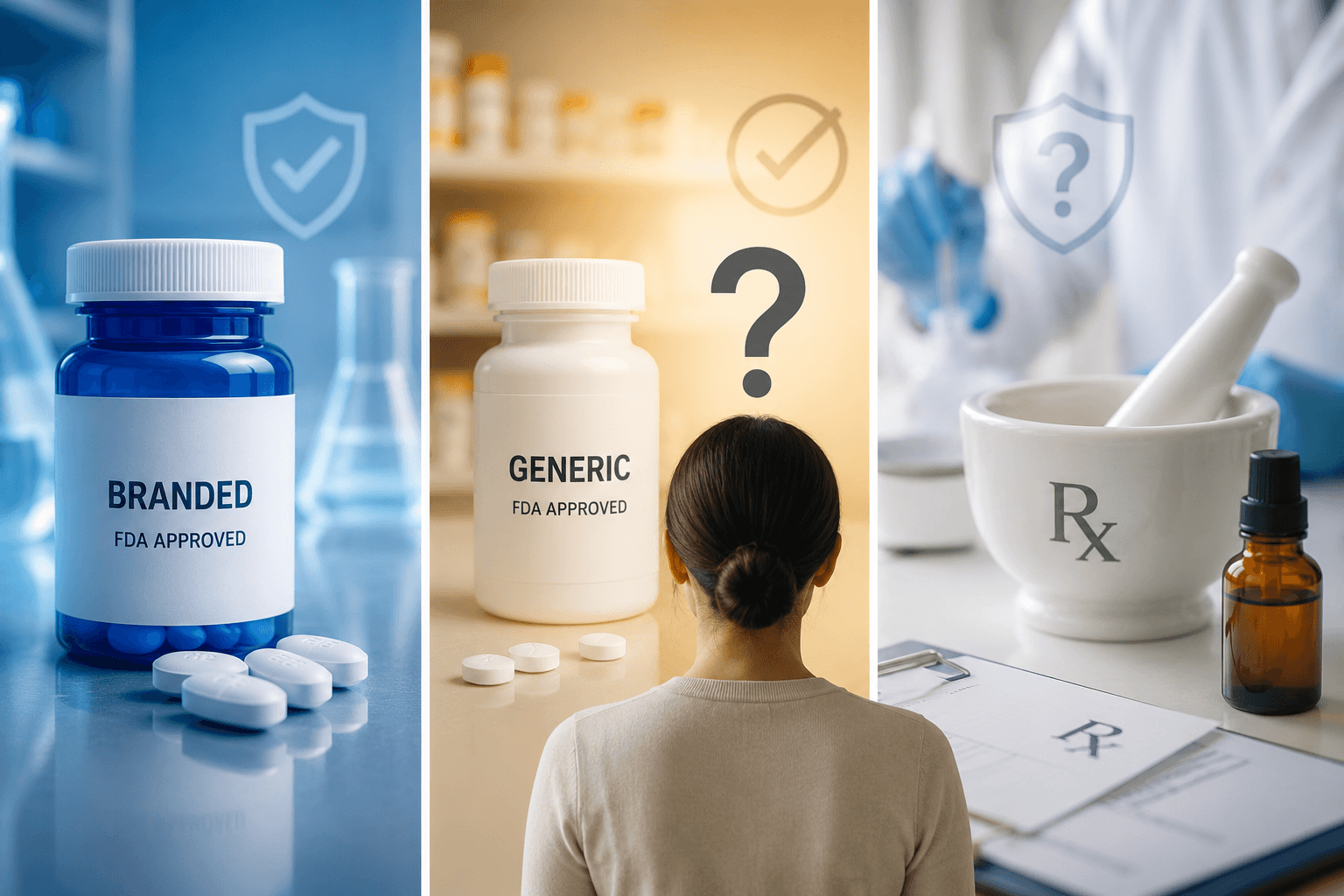
The 2026 GLP-1 shortage changed more than prescription availability. It changed how patients think about medicine itself. As shortages pushed consumers toward compounded alternatives, many people began treating “compounded,” “generic,” and “branded” drugs as interchangeable categories. However, those terms describe very different manufacturing, regulatory, and safety pathways.
For pharmaceutical companies, this shift created a new communication crisis. The challenge is no longer limited to defending a brand name against lower-cost competitors. Instead, the industry must now explain why FDA-regulated manufacturing standards matter in the first place. That is where pharmaceutical marketing around compounded drugs has become increasingly important. Companies that focus on patient education rather than fear-based messaging are more likely to build long-term trust in an increasingly confusing marketplace.
Table of Contents
- Why the GLP-1 shortage changed patient perception
- Understanding the “Equivalency Gap”
- Why education-first pharma marketing matters
- Building trust through transparency and compliance
- The future of pharmaceutical marketing around compounded drugs
Why the GLP-1 Shortage Changed Patient Perception
The rapid rise in GLP-1 demand exposed major weaknesses in patient understanding. Many consumers searching for medications online encountered compounded versions promoted through telehealth platforms, wellness clinics, and social media campaigns. Because patients were primarily focused on access and affordability, they often assumed compounded products were equivalent to FDA-approved branded medications.
At the same time, generic drugs added another layer of confusion. Most patients understand that generics are lower-cost alternatives. However, they may not realize that FDA-approved generics must demonstrate bioequivalence and follow strict manufacturing standards. Compounded medications operate under a completely different framework.
This misunderstanding created what many marketers now call the “Equivalency Gap.” Patients began viewing all lower-cost alternatives through the same lens, despite major differences in oversight, consistency, and regulatory approval.
As a result, pharmaceutical marketers can no longer rely on brand recognition alone. They must actively explain how regulated manufacturing protects patient safety. According to the U.S. Food and Drug Administration, compounded drugs are not FDA-approved, meaning the agency does not verify their safety, effectiveness, or quality before they reach patients. FDA guidance on compounded drugs provides further clarification on these distinctions.
Understanding the “Equivalency Gap”
The Equivalency Gap exists because patients often evaluate medications using consumer logic rather than pharmaceutical logic. If two products appear similar, many consumers assume they provide identical outcomes. Unfortunately, healthcare products do not always work that way.
Branded drugs undergo years of clinical trials, manufacturing validation, quality inspections, and post-market surveillance. Generic drugs must demonstrate therapeutic equivalence and comply with FDA requirements before approval. Compounded medications, meanwhile, are typically prepared to meet individual patient needs when approved commercial products are unavailable or unsuitable.
That distinction matters greatly in today’s healthcare environment. Yet traditional pharmaceutical messaging often overwhelms patients with technical language, regulatory terminology, or defensive claims that fail to connect emotionally.
Effective pharma marketing for compounded medications now requires a simpler communication strategy. Patients need practical explanations that answer clear questions:
- What makes a compounded drug different from a generic?
- Why do manufacturing standards matter?
- How does FDA oversight protect patients?
- When is compounding medically appropriate?
When brands answer these questions directly, they reduce confusion while improving public trust. More importantly, they position themselves as educational partners rather than corporate advertisers.
Why Education-First Pharma Marketing Matters
Modern healthcare consumers are highly skeptical of aggressive promotional campaigns. Many patients already distrust pharmaceutical advertising because they perceive it as overly commercial or emotionally manipulative. Therefore, educational messaging has become one of the most effective tools in modern pharma communications.
Education-first pharmaceutical campaigns focus on clarity rather than fear. Instead of attacking compounded medications outright, successful marketers explain the broader pharmaceutical ecosystem. They highlight how FDA-regulated manufacturing supports consistency, quality assurance, and patient safety across large-scale production environments.
This approach is especially critical in digital healthcare marketing channels where misinformation spreads rapidly. Social media platforms often compress complex medical topics into short videos or simplified posts. Consequently, nuanced distinctions between compounded, generic, and branded products frequently disappear.
Pharmaceutical marketers can counter this trend by creating accessible content across multiple formats, including:
- Patient explainers
- Physician interview videos
- FAQ-driven landing pages
- Regulatory transparency campaigns
- Interactive educational tools
Pharma brands investing in educational healthcare content are also seeing stronger long-term engagement. Patients increasingly prefer companies that provide helpful information without sounding defensive or confrontational.
Digital visibility also plays a major role here. Companies seeking stronger healthcare communication strategies often work with specialized pharmaceutical marketing agencies to improve educational outreach and patient engagement. Businesses exploring advanced healthcare communication strategies can learn more at eHealthcare Solutions.
Building Trust Through Transparency and Compliance
Trust has become the central currency in pharmaceutical marketing. Patients want reassurance that the medications they use are safe, reliable, and consistently manufactured. However, trust cannot be built through slogans alone.
Transparency now plays a critical role in how pharmaceutical companies market compounded drugs. Brands that openly explain manufacturing processes, quality testing, supply chain controls, and FDA oversight create stronger credibility with both patients and healthcare providers.
Importantly, transparency should never sound overly technical. Instead, marketers should translate regulatory concepts into understandable language. For example, rather than discussing “current Good Manufacturing Practices,” companies can explain how strict production standards help ensure every dose meets the same quality expectations.
Healthcare providers also remain influential voices in patient decision-making. Therefore, pharma marketers should support physicians with educational resources that help explain treatment distinctions during patient consultations.
At the same time, marketers must recognize that some patients genuinely require compounded medications. Ethical communication avoids demonizing compounding pharmacies altogether. Instead, balanced messaging explains that compounding serves an important clinical role while clarifying that compounded products differ from FDA-approved branded or generic medications.
Patients seeking personalized medical guidance should always consult qualified healthcare professionals through trusted resources such as Healthcare.pro.
The Future of Pharmaceutical Marketing Around Compounded Drugs
The next phase of pharmaceutical marketing will focus heavily on patient literacy. The industry can no longer assume consumers understand how medications are regulated, manufactured, or approved. That educational burden now belongs partly to marketers.
The companies that succeed will likely move away from traditional promotional tactics and toward transparent, patient-centered communication models. They will simplify complex regulatory concepts without oversimplifying the science itself.
Artificial intelligence, telehealth growth, and social commerce will continue shaping patient behavior. As these trends accelerate, misinformation risks will also grow. Consequently, pharma marketers must prioritize credibility, clarity, and consistency across every digital touchpoint.
Marketing compounded drugs is no longer just about protecting market share. It is about protecting public understanding of the pharmaceutical system itself. Patients deserve accurate information that helps them make informed healthcare decisions with confidence.
Conclusion
The 2026 GLP-1 shortage exposed a growing gap in public understanding about compounded, generic, and branded medications. For pharmaceutical marketers, the response cannot rely solely on defensive branding strategies. Instead, companies must embrace education-first communication that explains how FDA oversight, manufacturing consistency, and regulatory standards protect patient safety.
As healthcare consumers become more digitally informed, trust and transparency will define the future of pharma marketing. Brands that prioritize patient education today will likely become the most trusted voices tomorrow.
FAQs
What is the difference between compounded and generic drugs?
Generic drugs are FDA-approved medications proven to be therapeutically equivalent to branded drugs. Compounded medications are custom-prepared formulations that are not FDA-approved.
Why did the GLP-1 shortage create confusion among patients?
Many patients encountered compounded alternatives during shortages and assumed they were identical to branded or generic medications, which blurred important regulatory distinctions.
Why is pharmaceutical marketing around compounded drugs important now?
It helps educate patients about medication safety, manufacturing standards, and FDA oversight while reducing misinformation in digital healthcare environments.
Are compounded medications unsafe?
Compounded medications can serve important medical needs. However, they do not undergo the same FDA approval process as branded or generic drugs.
How can pharmaceutical companies improve patient trust?
Companies can improve trust through transparent communication, educational content, and clear explanations about manufacturing quality and regulatory oversight.
This content is not medical advice. For any health issues, always consult a healthcare professional. In an emergency, call 911 or your local emergency services.