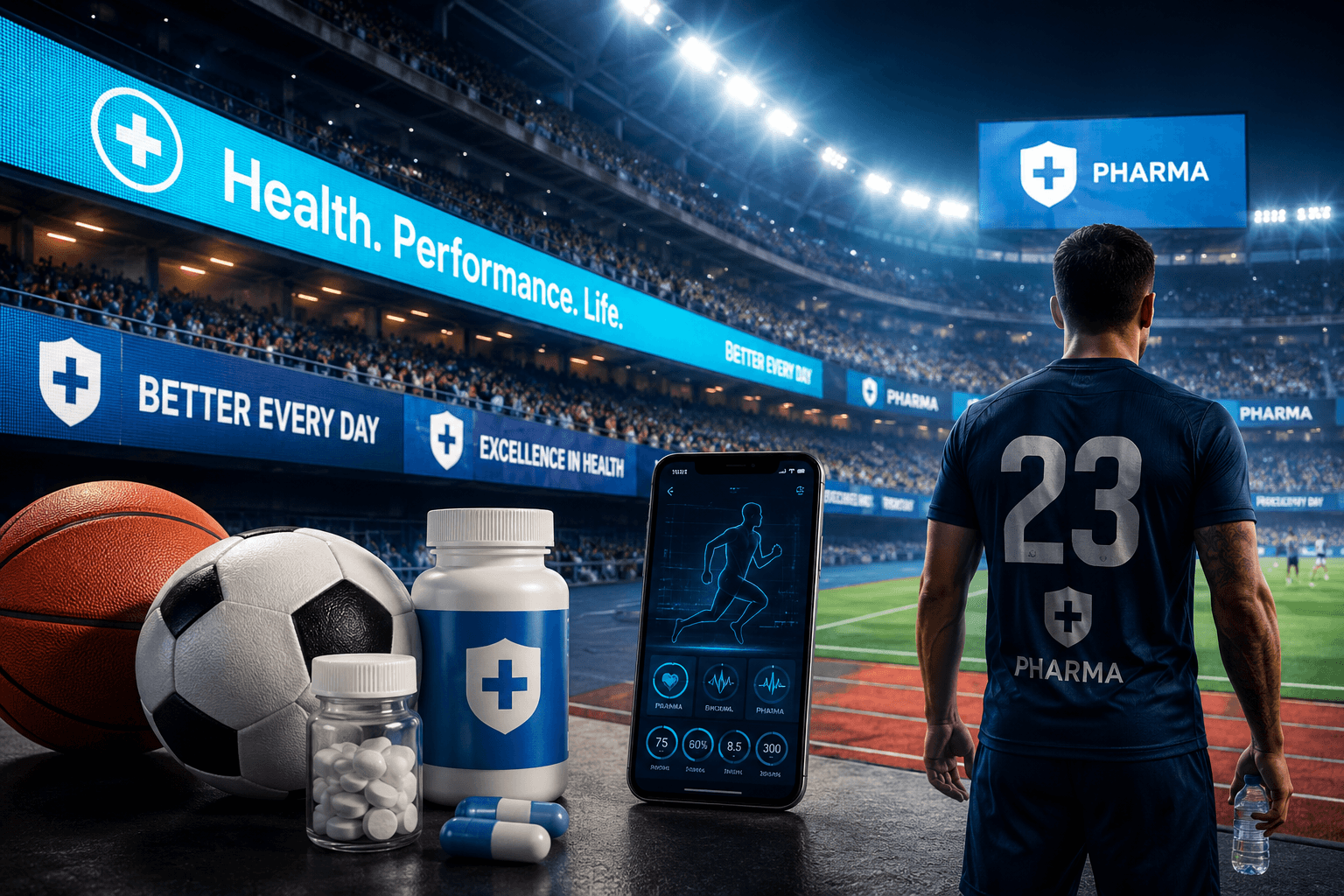
Millions of people still ignore commercials every day, but they rarely look away during a close game in the fourth quarter. While streaming services continue pulling audiences away from traditional television, live sports remain one of the few environments where viewers stay fully engaged in real time. That attention has become incredibly valuable for healthcare advertisers searching for reliable visibility in a fragmented media environment.
This shift helps explain why sports-focused pharmaceutical advertising is expanding so quickly. Stadium sponsorships, athlete influencers, league partnerships, and streaming integrations are becoming central pieces of modern direct-to-consumer campaigns. Sports audiences are emotionally invested, socially active, and highly attentive during live broadcasts. As a result, pharmaceutical brands increasingly view sports marketing as one of the most effective ways to build awareness and trust at scale.
Table of Contents
- Why live sports still dominate audience attention
- The rise of athlete influencers in healthcare campaigns
- Compliance and fair-balance risks in sports partnerships
- How pharma brands can build safer sports marketing strategies
- FAQs
Why Live Sports Still Deliver Massive Reach
Live sports continue to attract enormous audiences despite ongoing media fragmentation. Events like the Super Bowl, Olympics, NBA playoffs, and global soccer tournaments consistently generate real-time engagement that very few entertainment programs can match.
For healthcare advertisers, this creates a unique opportunity. Sports audiences are emotionally engaged, highly attentive, and socially active during broadcasts. Consequently, ad recall rates are often stronger compared to traditional primetime television campaigns.
Another reason pharmaceutical brands are increasing sports marketing investments is the rapid growth of streaming partnerships. Platforms like Amazon Prime Video, YouTube TV, ESPN+, and Peacock have transformed how leagues distribute content. Although audiences are now spread across multiple services, sports still command appointment viewing behavior because fans want to experience cultural moments live.
Pharmaceutical marketers also value the broad demographic reach of sports programming. Sports audiences include multiple age groups, income levels, and geographic segments. That flexibility allows brands to align campaigns with therapeutic categories ranging from diabetes and heart disease to mental health and allergy treatments.
In addition, sports sponsorships create repeated exposure opportunities throughout an entire season. Stadium signage, jersey branding, halftime integrations, digital overlays, and broadcast sponsorships all reinforce brand recognition over time. Unlike short campaign windows, sports partnerships can generate year-round visibility.
Brands looking to modernize omnichannel outreach strategies often combine sports activations with broader healthcare engagement campaigns through platforms like eHealthcare Solutions, which specializes in healthcare-focused digital advertising and audience targeting.
Athlete Influencers Are Reshaping Healthcare Advertising
Celebrity endorsements are nothing new, but athlete influencers now play a much larger role in pharmaceutical campaigns. Athletes bring credibility, discipline, resilience, and performance-driven storytelling that strongly resonate with audiences.
Consumers often see athletes as trusted public figures who embody healthy lifestyles. Therefore, partnerships involving chronic disease awareness or treatment adherence can feel more authentic when communicated through sports personalities.
Several major pharmaceutical brands have already embraced athlete-driven campaigns. Some focus on mental health advocacy, while others highlight recovery journeys, chronic condition management, or preventative care awareness. These campaigns tend to perform well because they blend emotional storytelling with relatable experiences.
Social media has accelerated this trend significantly. Athlete influencers maintain highly engaged audiences across Instagram, TikTok, YouTube, and X. As a result, pharmaceutical companies can reach consumers outside traditional television advertising environments.
However, pharmaceutical sports campaigns require careful execution. Unlike consumer brands, pharmaceutical companies operate under strict FDA advertising guidelines. Every sponsored message must maintain fair balance between benefits and risks. That requirement becomes more difficult on fast-moving social platforms with limited character counts and short-form video formats.
Athletes themselves also introduce reputational concerns. Injuries, controversies, legal disputes, or performance-enhancing drug allegations can quickly affect campaign perception. Therefore, pharmaceutical marketers must conduct thorough reputation assessments before entering endorsement agreements.
Healthcare marketers seeking compliant outreach strategies often collaborate with specialized communication platforms such as Healthcare.pro to ensure messaging aligns with regulatory expectations.
Compliance Risks Are Higher in Sports Partnerships
While sports partnerships offer major advantages, they also introduce significant regulatory complexity. Pharmaceutical advertising already faces intense scrutiny, and sports marketing adds another layer of reputational exposure.
One major challenge involves fair-balance communication. Television commercials typically include detailed risk disclosures alongside benefit messaging. In sports integrations, however, maintaining equal prominence for safety information becomes more complicated.
For example, stadium sponsorship signage may offer limited space for disclosure language. Similarly, athlete social posts may struggle to include complete safety information without reducing engagement. Consequently, pharma legal and regulatory teams must review every execution carefully.
Another issue involves audience composition. Certain sporting events attract younger viewers who may not represent appropriate target populations for specific therapies. Brands must evaluate whether placements align with ethical advertising standards and intended patient demographics.
There is also growing concern surrounding over-commercialization in healthcare advertising. Critics argue that excessive sports sponsorships could blur the line between entertainment and medical promotion. Because of this, transparency remains essential.
Data privacy presents another consideration. Modern sports marketing increasingly relies on digital targeting, fan engagement apps, and behavioral analytics. Pharmaceutical advertisers must ensure patient privacy protections remain compliant with healthcare advertising regulations.
Despite these concerns, investment continues to rise because live sports still provide unmatched engagement opportunities. According to industry analysts, healthcare advertisers are shifting larger portions of media budgets toward live programming because scripted entertainment no longer guarantees audience retention.
Building Safer and More Effective Sports Marketing Strategies
Successful pharmaceutical sports partnerships require a balance between creativity, compliance, and audience trust. Brands that approach sports sponsorships strategically are more likely to achieve long-term success.
First, marketers should prioritize educational storytelling instead of aggressive product promotion. Campaigns centered on awareness, prevention, or patient empowerment often generate stronger public reception.
Second, brands should choose athlete partners carefully. Authentic alignment matters more than celebrity status alone. Athletes with genuine connections to health conditions or wellness advocacy typically create more credible campaigns.
Third, integrated compliance review processes are essential. Legal, medical, and regulatory teams should collaborate early during campaign development rather than reviewing materials after creative production is complete.
Fourth, marketers should diversify sports partnerships across multiple channels. Combining television sponsorships with digital content, podcasts, influencer campaigns, and experiential activations creates stronger audience reinforcement.
Finally, transparency should remain a priority. Clear disclosures, responsible messaging, and evidence-based communication help protect consumer trust while reducing regulatory risk.
As media consumption continues evolving, live sports will likely become even more valuable for healthcare advertisers. Real-time engagement remains difficult to replicate elsewhere. Consequently, pharmaceutical brands are expected to continue increasing investments in athlete partnerships and sports sponsorships over the next several years.
Conclusion
The rapid growth of pharmaceutical advertising in sports reflects major changes across modern media consumption. Ad-free streaming, fragmented viewing habits, and declining traditional television engagement have forced healthcare advertisers to rethink how they connect with consumers.
Live sports now represent one of the few environments capable of delivering massive real-time audiences with strong engagement levels. At the same time, athlete influencers provide authenticity and emotional storytelling that traditional advertising often lacks.
However, these opportunities also come with significant compliance and reputational risks. Pharmaceutical companies must carefully manage fair-balance requirements, athlete partnerships, audience targeting, and disclosure standards.
Brands that combine strategic planning with responsible communication will be better positioned to succeed as healthcare marketing continues evolving in the sports entertainment era.
FAQs
Why are pharmaceutical companies investing more in live sports?
Live sports continue to attract large real-time audiences, making them one of the most effective environments for high-visibility advertising campaigns.
Why are athlete influencers valuable for healthcare marketing?
Athlete influencers often create stronger emotional connections with audiences and help healthcare messaging feel more authentic and relatable.
What compliance risks exist in pharmaceutical sports sponsorships?
Key risks include fair-balance violations, incomplete safety disclosures, audience targeting concerns, and reputational issues tied to athlete behavior.
Are streaming sports platforms important for pharma advertising?
Yes. Streaming sports platforms help pharmaceutical brands maintain visibility as audiences continue shifting away from traditional cable television.
How can pharmaceutical companies reduce marketing risks in sports partnerships?
Companies can reduce risk by implementing strong compliance review processes, selecting credible athlete partners, and maintaining transparent healthcare messaging.
This content is not medical advice. For any health issues, always consult a healthcare professional. In an emergency, call 911 or your local emergency services.