The pharmaceutical industry is entering a new era where success depends on much more than developing effective medicines. As the food-as-medicine movement gains momentum and next-generation GLP-1 weight-loss therapies transform metabolic care, pharmaceutical companies are discovering that lasting health outcomes require more than prescriptions alone. A well-executed pharma consumer packaged goods (CPG) marketing strategy is becoming essential as brands compete alongside consumer packaged goods companies, nutrition brands, and digital health platforms. Rather than simply promoting therapies, pharmaceutical brands are building comprehensive lifestyle ecosystems that combine prescriptions, nutrition, digital health, and ongoing patient support. As a result, the competitive landscape increasingly resembles the grocery aisle as much as the pharmacy counter.
Table of Contents
- The Rise of Food as Medicine
- How Pharma CPG Marketing Strategies Are Evolving
- Creating Lifestyle Ecosystems Around Prescription Therapies
- What the Future Holds for Pharma Marketing
- Conclusion
- FAQs
Food as Medicine Is Changing the Rules of Healthcare Marketing
The traditional separation between pharmaceuticals and nutrition is disappearing. Research continues to demonstrate that diet significantly influences chronic diseases such as obesity, diabetes, cardiovascular disease, and inflammatory disorders. Consequently, healthcare providers increasingly recommend nutritional interventions alongside prescription medications.
This shift has accelerated because GLP-1 medications like Wegovy, Ozempic, and Zepbound often require significant dietary adjustments to maximize effectiveness while preserving muscle mass and preventing nutritional deficiencies. Therefore, pharmaceutical companies increasingly see nutrition as part of the overall treatment journey rather than a separate consumer category.
Instead, marketers are recognizing that patient success depends on supporting daily behaviors. Educational resources, meal planning tools, healthy recipes, and nutrition coaching now play important roles in treatment adherence.
Companies that embrace this integrated approach create stronger relationships with patients. Moreover, they position themselves as long-term health partners rather than manufacturers of prescription products.
Organizations interested in expanding patient engagement through digital healthcare solutions can explore strategies at Healthcare.pro, where technology and patient communication increasingly intersect.
How Pharma CPG Marketing Strategies Are Evolving
Consumer packaged goods (CPG) companies have spent decades perfecting customer loyalty through branding, personalization, and everyday engagement. Pharmaceutical marketers are now adopting many of these proven techniques.
The most successful pharma CPG marketing strategies focus on building lasting patient habits rather than simply promoting products. Instead of emphasizing clinical efficacy alone, marketers now communicate lifestyle improvements, convenience, confidence, and long-term wellness.
Nutrition partnerships represent one of the most visible examples of this evolution. Pharmaceutical companies increasingly collaborate with meal delivery services, nutrition brands, wearable technology companies, and health apps. These partnerships create integrated experiences that extend well beyond the physician’s office.
Additionally, first-party consumer data has become increasingly valuable. By engaging patients through mobile applications, nutrition tracking, and educational content, pharmaceutical companies gain deeper insights into patient behaviors while providing ongoing support.
Modern digital engagement also requires sophisticated omnichannel marketing strategies. Companies seeking to strengthen their healthcare marketing capabilities can benefit from specialized expertise at eHealthcare Solutions, which focuses on healthcare digital advertising and audience engagement.
Lifestyle Ecosystems Are Becoming the New Competitive Advantage
Today’s patients expect healthcare experiences similar to those offered by leading consumer brands. They want personalized recommendations, easy-to-use digital tools, continuous guidance, and meaningful engagement throughout their treatment journey.
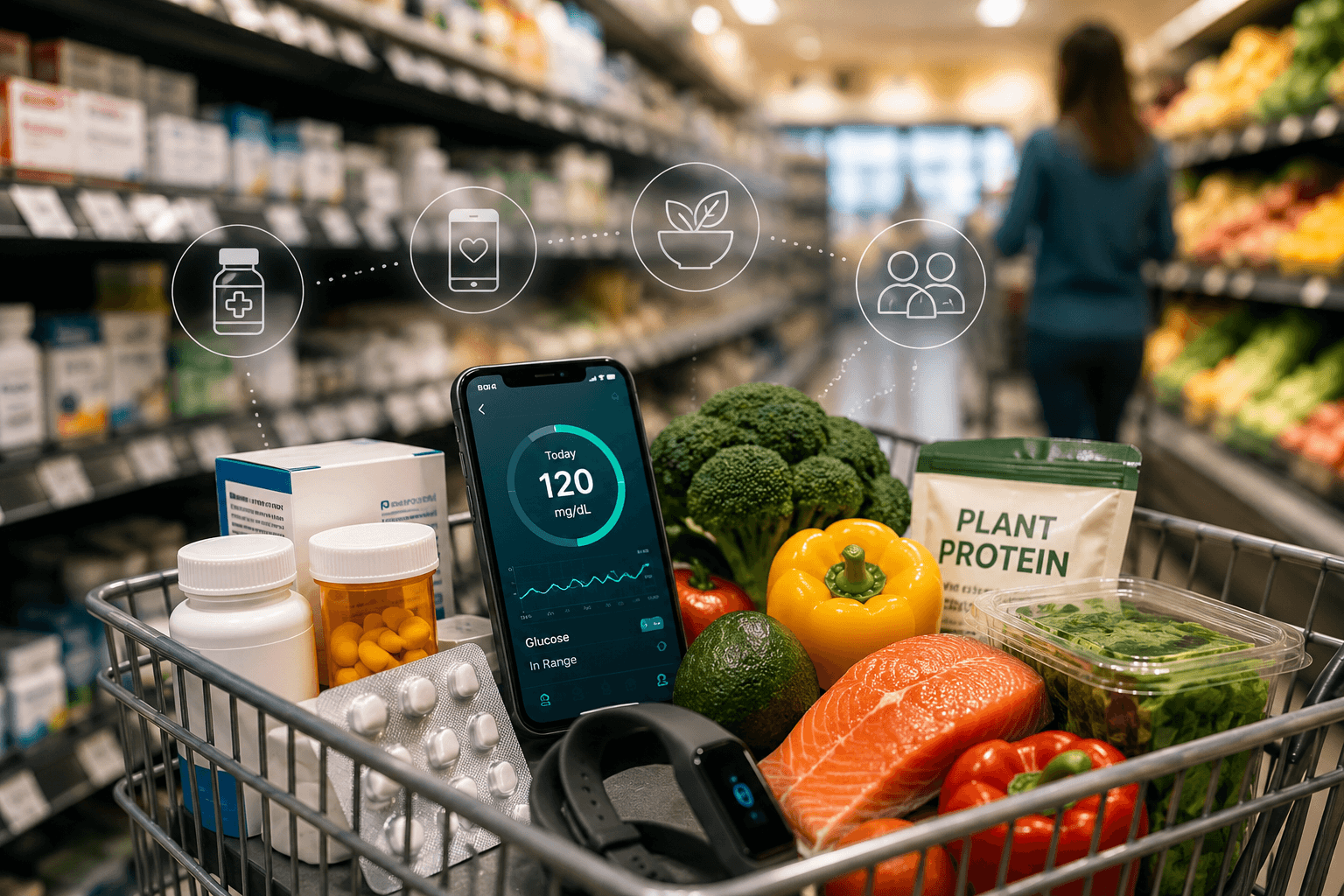
As a result, pharmaceutical companies are developing complete lifestyle ecosystems instead of isolated drug brands. These ecosystems often include:
- Personalized nutrition recommendations
- Mobile health applications
- Behavioral coaching
- Connected wearable devices
- Virtual care integration
- Community support programs
- Progress tracking dashboards
These connected services improve medication adherence while strengthening long-term patient loyalty and trust. Furthermore, they generate valuable real-world evidence that supports future product development and commercialization.
Importantly, healthcare professionals also benefit. Better patient engagement frequently translates into improved clinical outcomes, creating value for physicians, providers, and payers alike.
This comprehensive model reflects a broader transformation from disease treatment toward long-term health management.
The Future of Pharma Marketing Looks More Consumer Than Clinical
Over the next decade, the distinction between pharmaceutical marketing and consumer marketing will continue to blur. Artificial intelligence, predictive analytics, and personalized nutrition will enable highly individualized patient experiences.
Increasingly, pharmaceutical companies will compete on the strength of their patient ecosystems rather than clinical differentiation alone. Consequently, partnerships with food companies, fitness providers, digital therapeutics, and wellness platforms are likely to become standard business practice.
This shift toward consumer-first pharmaceutical marketing will also reshape commercial teams. Marketing professionals will need expertise in consumer psychology, digital engagement, retail partnerships, and behavioral science alongside traditional pharmaceutical knowledge.
Meanwhile, regulators will continue monitoring these evolving ecosystems to ensure transparency, patient privacy, and evidence-based communications. Brands that successfully balance innovation with compliance will be best positioned for sustainable growth.
Ultimately, the pharmaceutical companies that thrive will understand a simple reality: patients live most of their lives outside healthcare settings. Supporting everyday decisions may become just as important as developing breakthrough medicines.
Conclusion
The pharmaceutical industry is undergoing one of its most significant commercial transformations in decades. As food, nutrition, and lifestyle become integral components of chronic disease management, marketers must rethink how they engage patients. A modern pharmaceutical CPG marketing strategy combines prescription therapies with consumer-focused experiences that encourage healthier daily behaviors. Companies that successfully integrate nutrition partnerships, digital engagement, and personalized support will strengthen patient outcomes while building more resilient brands in an increasingly competitive healthcare marketplace.
Frequently Asked Questions
Why is a pharma CPG marketing strategy becoming more important?
Because patients increasingly expect ongoing support that extends beyond medication, including nutrition, coaching, and lifestyle guidance.
How do GLP-1 drugs influence pharmaceutical marketing?
GLP-1 therapies often require dietary changes and long-term behavioral support, encouraging pharmaceutical companies to develop integrated patient ecosystems.
What is the food-as-medicine movement?
It is a healthcare approach that uses nutrition as a key component of disease prevention and treatment alongside traditional medical therapies.
Why are pharmaceutical companies partnering with nutrition brands?
These partnerships improve patient adherence, enhance treatment outcomes, and create stronger long-term relationships with consumers.
How does consumer marketing differ from traditional pharmaceutical marketing?
Consumer marketing emphasizes emotional engagement, personalization, loyalty, and continuous interaction, while traditional pharmaceutical marketing has historically focused primarily on clinical evidence and healthcare professionals.
Disclaimer: This content is not medical advice. For any health issues, always consult a healthcare professional. In an emergency, call 911 or your local emergency services.