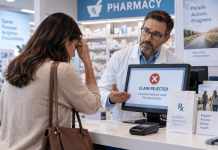
The pharmaceutical industry has always relied on trust. However, counterfeit medicines and unauthorized compounded alternatives have transformed trust from a marketing message into a competitive advantage. Today, patients aren’t just asking whether a treatment works. They also want confidence that the medicine they receive is authentic, safe, and comes through a legitimate supply chain.
As direct-to-consumer (DTC) engagement continues to grow, building trust in pharmaceutical brands has become one of the industry’s most valuable competitive advantages. Marketers now play an important role in educating patients, protecting brand reputation, and helping consumers identify legitimate products. As a result, marketing campaigns increasingly combine digital engagement with product authentication technologies to create confidence throughout the patient journey.
Table of Contents
- Why counterfeit medicines threaten consumer confidence
- How authentication technology builds patient trust
- The growing role of patient education
- The future of trust-based pharmaceutical marketing
- Conclusion
- Frequently Asked Questions
Counterfeit Medicines Are Creating a New Marketing Challenge
Counterfeit drugs have become a global healthcare concern. According to the World Health Organization, falsified and substandard medicines continue to circulate across many markets, putting patient safety at risk while damaging confidence in legitimate pharmaceutical manufacturers.
At the same time, demand for high-profile medications has created shortages that have encouraged unauthorized compounded versions and illegal online sellers. Consequently, consumers often struggle to distinguish between approved therapies and questionable alternatives.
This environment changes how pharmaceutical companies approach marketing. Instead of focusing only on clinical benefits, brands must also communicate authenticity and supply chain integrity. Every patient interaction becomes an opportunity to reinforce credibility.
For marketers, this means brand messaging extends beyond efficacy and safety data. It now includes product verification, purchasing guidance, and education about counterfeit risks.
Companies are increasingly developing educational resources that explain how patients can obtain medications through authorized pharmacies and healthcare providers. These resources also direct consumers to trusted medical professionals through Healthcare.pro, where patients can locate qualified healthcare providers for legitimate care.
In addition, many pharmaceutical organizations are expanding educational content within their own patient support programs and disease awareness campaigns. These efforts strengthen both patient confidence and long-term brand relationships.
How Authentication Technology Builds Patient Trust
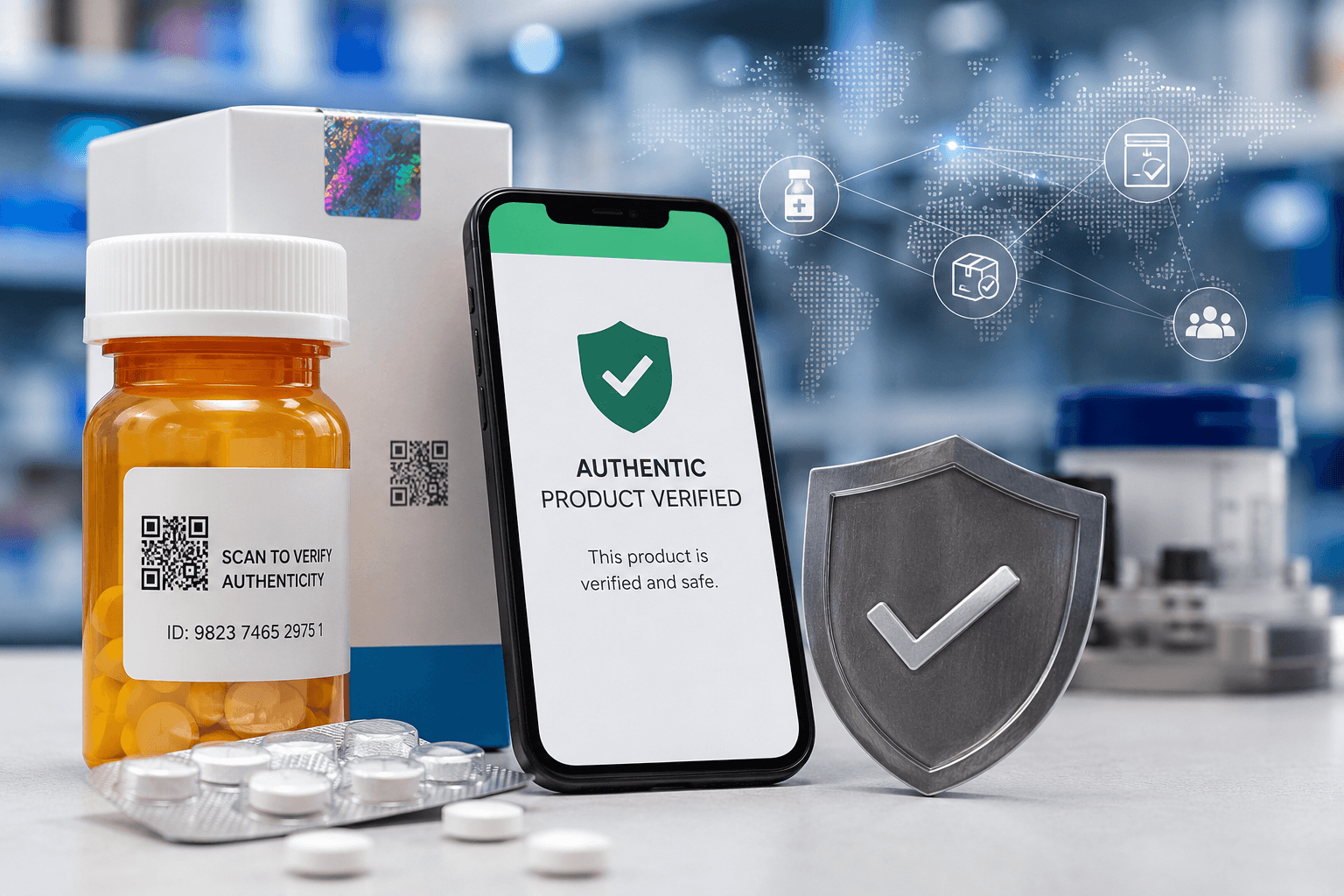
Technology has become one of the strongest tools for strengthening consumer trust in pharmaceutical brands. Fortunately, pharmaceutical manufacturers now have multiple options to help patients verify product authenticity before using their medications.
Serialization remains one of the most effective approaches. Unique identifiers assigned to individual packages allow products to be tracked throughout the supply chain. If irregularities appear, companies can quickly investigate and remove suspicious products from distribution.
Tamper-evident packaging also reassures patients that products have not been altered after leaving the manufacturer. Although these features have existed for years, marketers now actively highlight them within patient education materials because consumers increasingly recognize their value.
Many brands are also introducing QR codes that connect patients directly to authentication portals, educational resources, instructional videos, or manufacturer websites. Rather than serving only as packaging features, these digital touchpoints become extensions of the overall brand experience.
Some manufacturers are exploring blockchain-supported supply chain verification and advanced digital authentication systems. While adoption continues to evolve, these innovations demonstrate that transparency is becoming central to pharmaceutical marketing strategies.
For marketers, authentication tools offer another benefit. They create opportunities for continued patient engagement after purchase while reinforcing confidence in legitimate therapies.
Patient Education Is Becoming a Competitive Advantage
Education has always been part of pharmaceutical marketing. However, counterfeit products have significantly expanded its importance.
Patients increasingly search online before filling prescriptions. Unfortunately, misinformation spreads just as quickly as reliable information. As a result, pharmaceutical companies must provide clear, accessible content that answers common questions before patients encounter misleading sources.
Educational campaigns now explain topics such as:
- How to recognize legitimate pharmacies
- Why prescription verification matters
- The risks of purchasing medicines through unauthorized websites
- How authentication tools protect patients
- Where to report suspected counterfeit products
These resources not only improve patient safety but also strengthen consumer confidence in the brand by demonstrating transparency.
Content marketing plays an especially important role. Blog articles, FAQs, videos, patient guides, and physician interviews help companies become trusted educational resources rather than simply product advertisers.
Organizations can also reference reliable public health resources such as the U.S. Food and Drug Administration’s guidance on counterfeit medicine to reinforce factual information and support informed decision-making.
Furthermore, marketers should ensure educational materials remain easy to understand. Simple language, visual demonstrations, and practical examples improve patient engagement while reducing confusion.
The Future of Trust-Based Pharmaceutical Marketing
Trust is becoming measurable. Pharmaceutical marketers increasingly analyze patient engagement, educational content performance, customer support interactions, and digital verification activity to understand how consumers respond to authenticity initiatives.
Artificial intelligence also enables brands to personalize educational experiences based on patient needs. Instead of delivering generic information, companies can provide customized content that addresses specific concerns about medication safety and legitimate purchasing channels.
Meanwhile, omnichannel marketing continues to connect advertising, websites, mobile apps, pharmacy partnerships, healthcare professionals, and patient support programs into a unified experience. Consistency across these channels reinforces confidence and reduces uncertainty.
The most successful pharmaceutical brands will likely be those that integrate authentication, education, and transparency into every patient interaction rather than treating them as separate initiatives.
Ultimately, trust in a pharmaceutical brand is no longer built solely through advertising. It is earned through every verified package, every educational resource, every transparent communication, and every positive patient experience that reinforces brand credibility.
Conclusion
Counterfeit medicines have fundamentally changed pharmaceutical marketing. While clinical effectiveness remains essential, authenticity has become equally important in building lasting patient relationships. Companies that invest in serialization, tamper-evident packaging, authentication technologies, and patient education create stronger connections with consumers while strengthening patient trust and brand credibility.
As counterfeit threats continue to evolve, marketers have an opportunity to turn consumer trust into a lasting brand advantage. By combining transparency, technology, and education, pharmaceutical brands can reassure patients that they are receiving legitimate therapies from trusted sources. In today’s healthcare environment, earning consumers’ trust has become a defining element of successful pharmaceutical marketing.
Frequently Asked Questions
What is DTC brand trust in pharmaceutical marketing?
DTC brand trust refers to the confidence patients have that a pharmaceutical company’s products, information, and communications are authentic, reliable, and focused on patient safety.
Why are counterfeit drugs affecting pharmaceutical marketing?
Counterfeit medicines reduce consumer confidence and require pharmaceutical companies to emphasize authenticity, product verification, and patient education within their marketing strategies.
How does serialization help patients?
Serialization assigns a unique identifier to each product package, allowing manufacturers and supply chain partners to verify authenticity and detect counterfeit products.
Why is patient education important for pharmaceutical brands?
Educated patients are more likely to recognize legitimate products, avoid counterfeit medicines, and maintain confidence in trusted pharmaceutical manufacturers.
How can pharmaceutical companies build stronger trust with consumers?
Companies can strengthen trust by combining authentication technologies, transparent communication, educational resources, secure distribution channels, and consistent patient engagement. These efforts help build long-term confidence in both their products and their brand.
Disclaimer: This content is not medical advice. For any health issues, always consult a healthcare professional. In an emergency, call 911 or your local emergency services.