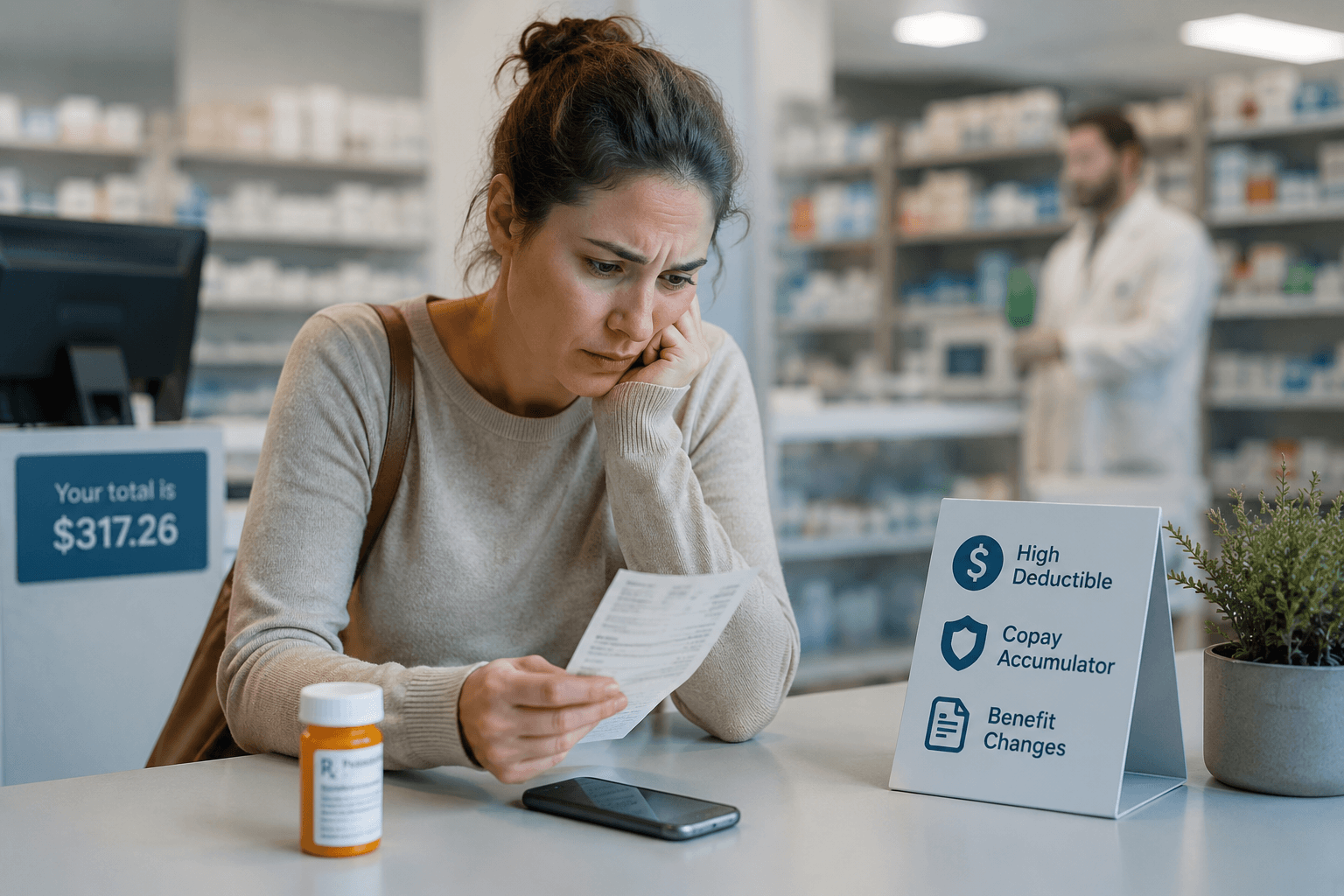
Winning a prescription is often viewed as the finish line. In reality, it is only the beginning. Many patients leave the physician’s office fully committed to starting therapy, only to encounter unexpected financial barriers days, weeks, or even months later. Copay accumulators, maximizer programs, insurance formulary changes, deductible resets, and rising out-of-pocket costs can quickly derail treatment plans. As a result, pharmaceutical brands lose more than prescriptions. They lose patient trust, therapy persistence, and long-term brand loyalty.
This is where pharmaceutical patient loyalty programs have become increasingly important. Rather than focusing only on patient acquisition, leading pharmaceutical companies are investing in continuous engagement strategies that help patients stay on therapy despite evolving financial challenges. By combining affordability support, proactive communication, and personalized patient services, brands can significantly improve adherence while delivering better health outcomes.
Table of Contents
- Why financial barriers continue after the first prescription
- How affordability impacts patient loyalty
- Building integrated patient support strategies
- The future of patient loyalty in the pharmaceutical industry
- Conclusion
- Frequently Asked Questions
Financial Friction Doesn’t End at the Pharmacy Counter
Many commercial launches focus heavily on physician education and patient initiation. However, treatment persistence depends on what happens after the prescription is filled.
Patients frequently encounter new financial obstacles throughout the year. Insurance plans change formularies. Employers adopt copay accumulator programs that prevent manufacturer assistance from counting toward deductibles. Deductible resets every January can dramatically increase patient costs. Even patients who successfully begin therapy may suddenly find themselves unable to afford their medication months later.
Consequently, adherence declines. According to research published by the American Medical Association, medication affordability remains one of the leading reasons patients discontinue prescribed therapies.
Unfortunately, many pharmaceutical companies only communicate affordability options during treatment initiation. That leaves patients without guidance when new financial challenges arise later in their treatment journey.
Instead, brands should view affordability as an ongoing relationship rather than a one-time enrollment process.
Why Patient Loyalty Programs Matter More Than Ever
Modern pharmaceutical patient loyalty programs extend far beyond traditional copay cards. Today’s most successful programs deliver continuous support that adapts as patient circumstances evolve.
Patients appreciate knowing someone is helping them navigate an increasingly complex healthcare system. When brands provide financial education, reimbursement assistance, and proactive reminders, they become trusted partners rather than simply medication manufacturers.
Moreover, loyalty programs help identify patients who may be at risk of discontinuing therapy before abandonment occurs. Predictive analytics, digital engagement, and patient support services can flag warning signs such as delayed refills, insurance changes, or repeated pharmacy claim rejections.
Instead of reacting after therapy stops, pharmaceutical companies can intervene earlier.
This proactive approach improves patient satisfaction while protecting brand performance.
Effective loyalty programs often include:
- Personalized affordability communications
- Benefit verification assistance
- Copay support education
- Insurance navigation resources
- Refill reminders
- Nurse educator support
- Digital patient engagement tools
- Case management for complex therapies
Together, these services create a seamless patient experience that extends well beyond the initial prescription.
Building Integrated Patient Support Strategies
The most effective patient loyalty programs combine technology, education, affordability tools, and human support into one coordinated experience.
For example, when a patient’s insurance changes midyear, automated systems can trigger educational emails explaining available financial assistance. Simultaneously, patient support specialists can proactively contact eligible patients before therapy interruption occurs.
Likewise, digital engagement platforms can identify patients approaching deductible resets and remind them about manufacturer assistance programs or available financial resources.
However, communication alone is not enough.
Messages must be timely, personalized, and delivered through the patient’s preferred channels. Some patients respond to SMS reminders, while others prefer email, mobile apps, or live support specialists.
Pharmaceutical marketers should also ensure messaging remains compliant while being easy to understand. Insurance terminology can be confusing even for experienced healthcare consumers. Simple language improves patient confidence and reduces unnecessary abandonment.
Organizations looking to improve patient engagement often benefit from integrated omnichannel communication strategies supported by experienced healthcare marketing partners. Digital engagement initiatives that combine CRM platforms, patient education, and automated outreach create a more consistent patient experience. Companies seeking these capabilities can learn more at eHealthcare Solutions.
Additionally, patients requiring personalized assistance should have easy access to professional support services. Connecting patients with appropriate healthcare resources through Healthcare.pro can help them better understand available treatment and financial support options.
The Future of Patient Loyalty in the Pharmaceutical Industry
The pharmaceutical industry is shifting from transactional marketing toward lifetime patient engagement.
Artificial intelligence, predictive analytics, and real-time benefit verification are enabling brands to identify financial risks before they become adherence problems. Instead of waiting for prescription abandonment reports, manufacturers can proactively deliver relevant assistance based on individual patient circumstances.
Furthermore, integrated data across specialty pharmacies, patient support hubs, and CRM systems provides a more complete view of the patient journey.
As value-based healthcare continues to evolve, adherence will become an increasingly important measure of commercial success. Brands that invest in ongoing patient support rather than one-time enrollment campaigns will likely outperform competitors in both patient outcomes and long-term market performance.
Ultimately, patients remember companies that help them stay on therapy when challenges arise. Financial support builds trust, and trust strengthens loyalty.
Conclusion
Winning the first prescription is only the beginning of the patient journey. Financial barriers continue to emerge throughout treatment, creating opportunities for therapy interruption and prescription abandonment. Copay accumulators, deductible resets, formulary changes, and unexpected costs all threaten adherence long after treatment begins.
The most successful patient loyalty and support programs address these challenges through continuous affordability communication, financial navigation, proactive outreach, and integrated patient support services. By reducing financial friction across the entire treatment lifecycle, pharmaceutical companies improve adherence, strengthen patient relationships, and create more sustainable commercial success.
Frequently Asked Questions
What are pharmaceutical patient loyalty programs?
Pharmaceutical patient loyalty programs are ongoing patient support initiatives that provide affordability assistance, education, engagement, and adherence resources to help patients remain on prescribed therapies.
Why do patients discontinue medication after starting treatment?
Many patients stop treatment because of unexpected out-of-pocket costs, insurance changes, copay accumulator programs, deductible resets, or limited understanding of available financial assistance.
How do patient loyalty programs improve medication adherence?
They provide proactive financial guidance, personalized communication, reimbursement support, refill reminders, and patient education that reduce barriers to staying on therapy.
What role does digital engagement play in patient retention?
Digital engagement enables pharmaceutical companies to identify adherence risks early, deliver personalized communications, and connect patients with support resources before treatment interruptions occur.
Why should pharmaceutical marketers focus beyond the initial prescription?
Long-term commercial success depends on sustained therapy adherence. Supporting patients throughout their treatment journey improves health outcomes, strengthens brand loyalty, and maximizes the value of patient support investments.
Disclaimer: This content is not medical advice. For any health issues, always consult a healthcare professional. In an emergency, call 911 or your local emergency services.