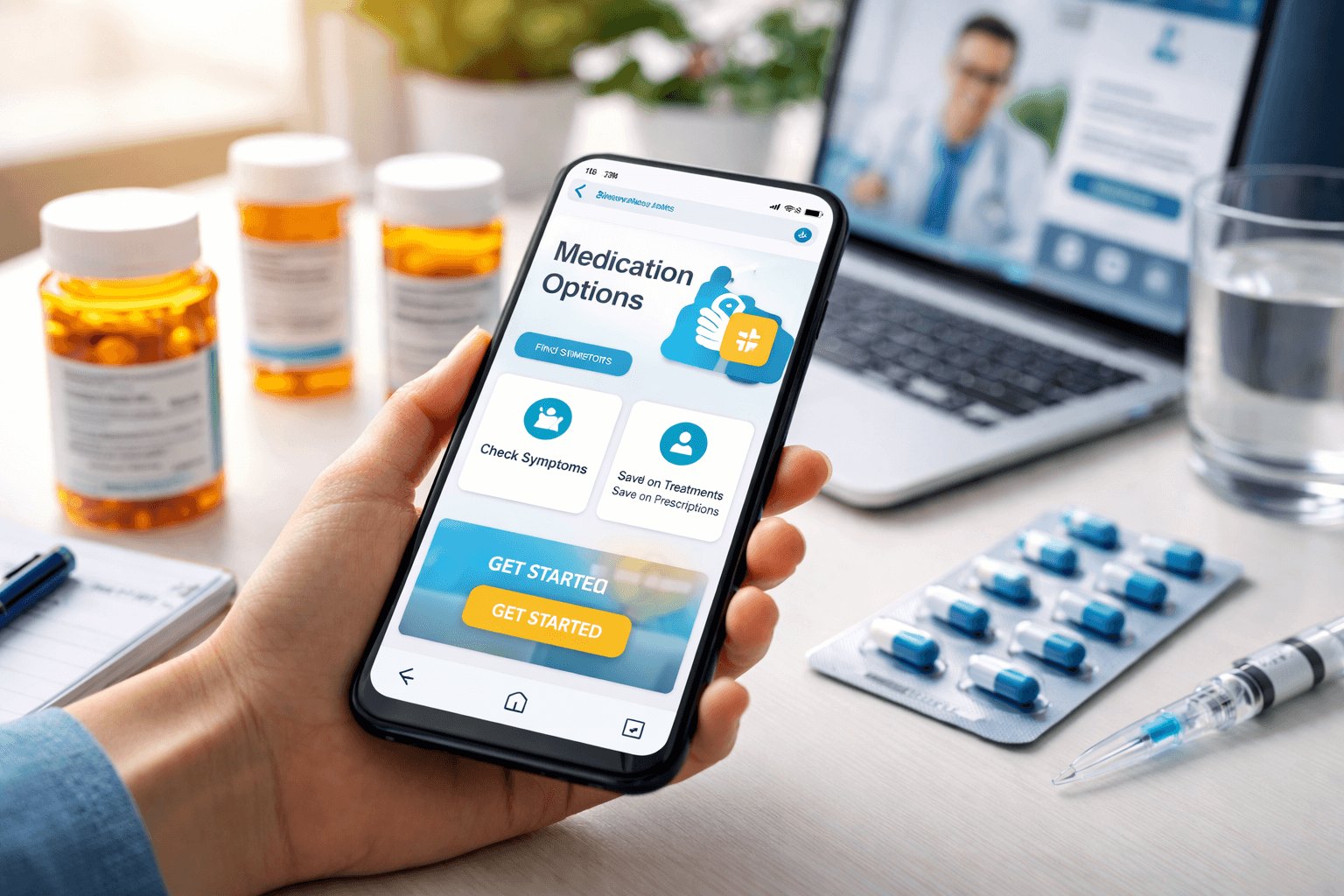
What if learning about a therapy felt more like getting helpful guidance than being sold to? That shift is already happening across healthcare. As digital health tools grow, direct-to-patient approaches in pharma marketing are changing how patients discover, understand, and access treatments. Instead of relying only on traditional channels, brands now meet patients where they already are online, informed, and ready to engage on their own terms.
However, this evolution comes with responsibility. Patients expect clarity, empathy, and trust, not pressure. For pharma marketers, the challenge is supporting direct-to-patient care environments in ways that feel educational, compliant, and genuinely helpful while still driving meaningful engagement.
Table of Contents
The rise of direct-to-patient healthcare models
Building trust through compliant patient education
Affordability and access as core experience drivers
Designing patient-first digital experiences
Conclusion
FAQs
The Rise of Direct-to-Patient Healthcare Models
Direct-to-patient pharma marketing has expanded alongside telehealth services, online pharmacies, and condition-specific care platforms. Patients increasingly research symptoms, treatment options, and costs before ever speaking with a provider. As a result, discovery often starts online rather than in the exam room.
Because of this shift, pharma brands no longer influence decisions only through healthcare professionals. Instead, they play a supporting role earlier in the patient journey. Educational disease awareness content, symptom checkers, and treatment explainers help patients feel informed without crossing into overt promotion.
At the same time, e-commerce healthcare models allow patients to move from learning to action quickly. When done right, this transition feels seamless and respectful. When done poorly, it can feel like a hard sell that erodes trust before a relationship ever begins.
Building Trust Through Compliant Patient Education
Education sits at the center of effective direct-to-patient pharma marketing strategies. Patients want plain-language explanations that help them understand options, risks, and next steps. Therefore, content must prioritize clarity over persuasion.
Compliant education focuses on conditions, treatment categories, and patient experiences rather than product hype. For example, explaining how a condition progresses or what questions to ask a healthcare provider empowers patients without making claims. This approach supports regulatory expectations while still delivering real value.
Equally important, educational content should reinforce the role of medical professionals. Encouraging patients to consult licensed providers or directing them to trusted platforms like Healthcare.pro strengthens credibility and positions the brand as a responsible partner in care.
Affordability and Access as Core Experience Drivers
Cost concerns often stop patients from starting or staying on therapy. Because of that, affordability tools have become essential within modern direct-to-patient pharma marketing efforts. Copay cards, savings programs, and insurance education reduce friction and lower emotional barriers.
Rather than hiding these tools deep within a website, successful brands integrate them naturally into the patient journey. Clear explanations of coverage options and expected out-of-pocket costs help patients feel prepared instead of overwhelmed.
Digital platforms also give patients the freedom to explore access options privately and at their own pace. That sense of control builds confidence and supports better long-term adherence.
Designing Patient-First Digital Experiences
Experience design plays a powerful role in how patients perceive a brand. Clean layouts, intuitive navigation, and mobile-friendly interfaces all contribute to ease of use. In contrast, cluttered pages or aggressive calls to action can feel overwhelming.
In direct-to-patient pharma marketing, the digital experience should guide patients rather than push them. Clear next steps, supportive language, and accessible formats help people feel respected. Interactive tools such as eligibility checkers or treatment guides can educate without applying pressure.
Many pharma brands achieve this balance by partnering with specialized digital teams. Platforms like ehealthcaresolutions.com support compliant digital strategies that align performance goals with patient trust.
Conclusion
Direct-to-patient pharma marketing works best when it removes barriers for patients instead of creating them. By prioritizing education, affordability, and thoughtful experience design, pharma marketers can support informed decision-making without relying on the hard sell. As patients continue to take a more active role in their healthcare, brands that lead with trust and clarity will earn lasting engagement.
FAQs
What is direct-to-patient pharma marketing?
Direct-to-patient pharma marketing focuses on engaging patients directly through education, digital tools, and support resources rather than relying solely on healthcare professionals.
How is direct-to-patient different from direct-to-consumer?
Direct-to-patient approaches emphasize education and access, while direct-to-consumer marketing often centers on advertising and product promotion.
Is direct-to-patient pharma marketing compliant?
Yes. When content remains educational, balanced, and encourages provider involvement, it can align with regulatory standards.
Why is patient trust important in pharma marketing?
Trust influences whether patients engage with content, seek care, and remain on therapy over time.
How can pharma brands improve patient experience online?
They can simplify design, use clear language, and integrate affordability and access tools throughout the digital journey.
This content is not medical advice. For any health issues, always consult a healthcare professional. In an emergency, call 911 or your local emergency services.